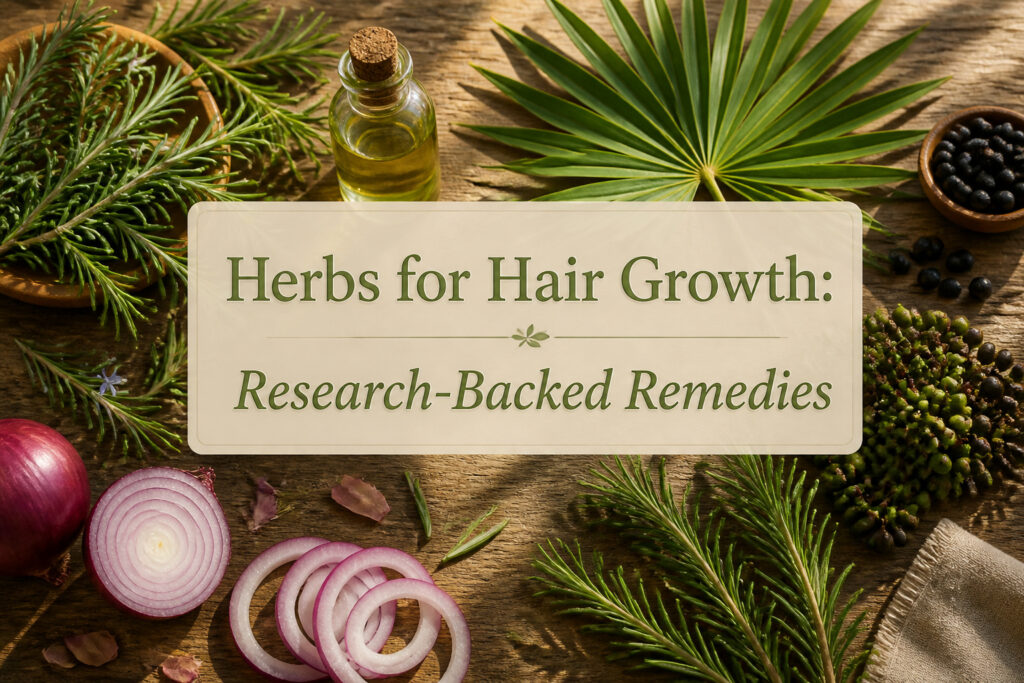
Rosemary oil is the only herb on this list with human trial data matching minoxidil, but only if you can stay consistent for six months. If you need results faster or cannot handle nightly scalp massages, saw palmetto or onion juice might fit your timeline better, though both come with tradeoffs: onion juice smells like raw onion, and saw palmetto interacts with hormonal medications. The 3.7 mg/mL concentration used in the rosemary study is easy to mix at home, which matters because most store-bought "hair growth" products dilute their active ingredients below useful levels.
1. Rosemary
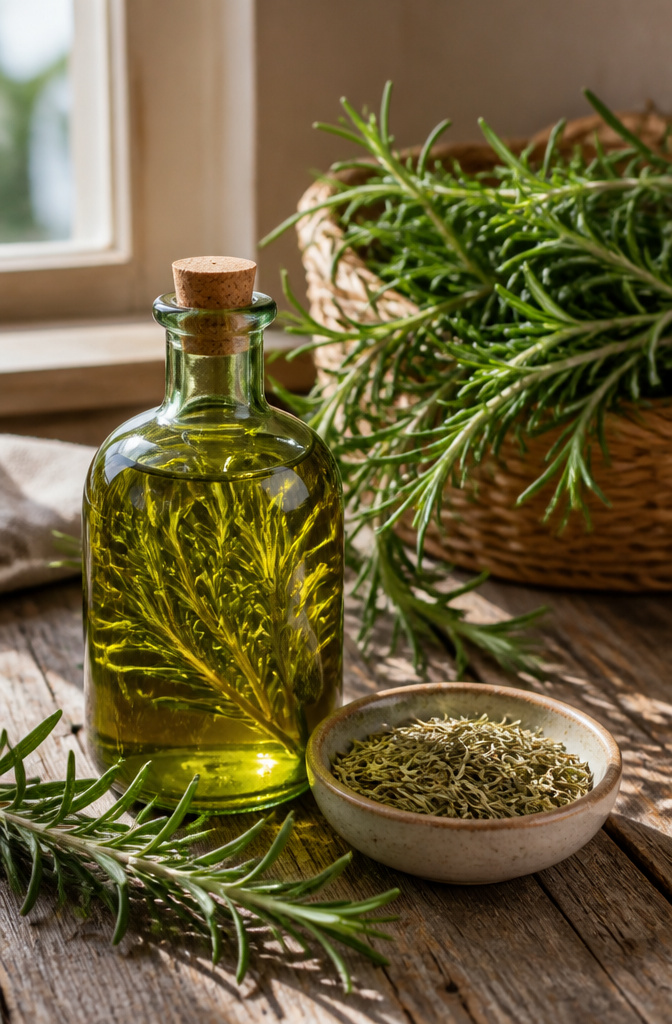
Rosemary oil carries the strongest clinical backing of any herb on this list. A six-month study of 100 people with androgenetic alopecia found that a 3.7 mg/mL rosemary oil lotion matched 2% minoxidil in hair count gains. The rosemary group also reported less scalp itching, which matters if you’ve ever abandoned minoxidil over the irritation.
The mechanism is improved microcapillary blood flow. Better circulation means more nutrients reaching follicles that might otherwise thin and miniaturize. There’s also some evidence rosemary acts as a mild 5α-reductase inhibitor, potentially slowing the DHT conversion linked to pattern hair loss.
For use, a simple scalp oil works. Steep dried rosemary in a carrier oil, strain after a few weeks, and massage a few drops into the scalp before bed. A rinse is even lower effort: strong rosemary tea, cooled, poured through hair after shampooing and left in. Either way, consistency over months matters more than concentration. This is not a fast fix, but the research suggests it is a real one.

100% PURE & NATURAL ROSEMARY OIL: Handcraft Blends oils are exactly that! Many other oils claim that but are actually isolates and mixtures. Each oil is tested by an independent lab, so every bottle has a Quality Guarantee.

Supports Fuller-Looking Hair in 8–12 Weeks: Customers report thicker, fuller hair with consistent use. Dilute 4-5 drops in carrier oil, massage into scalp 20 mins before washing, 1-2x weekly.
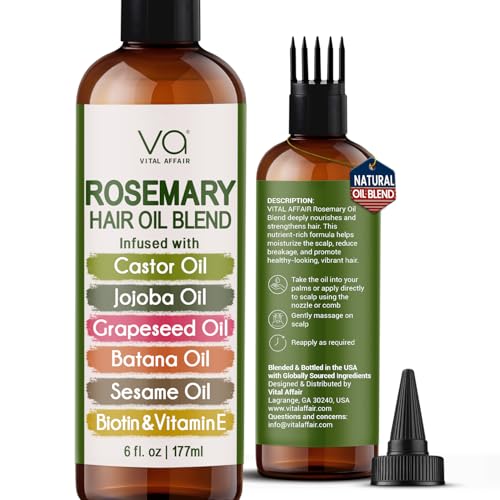
Promotes Stronger, Thicker Hair Growth – This blend of rosemary hair oil for hair growth, enriched with biotin and vitamin E, helps stimulate hair follicles to encourage healthy, thicker, and faster hair growth. Our unique blend of rosemary castor oil for hair growth is ideal for those seeking to promote healthy, long-lasting hair growth.
2. Peppermint
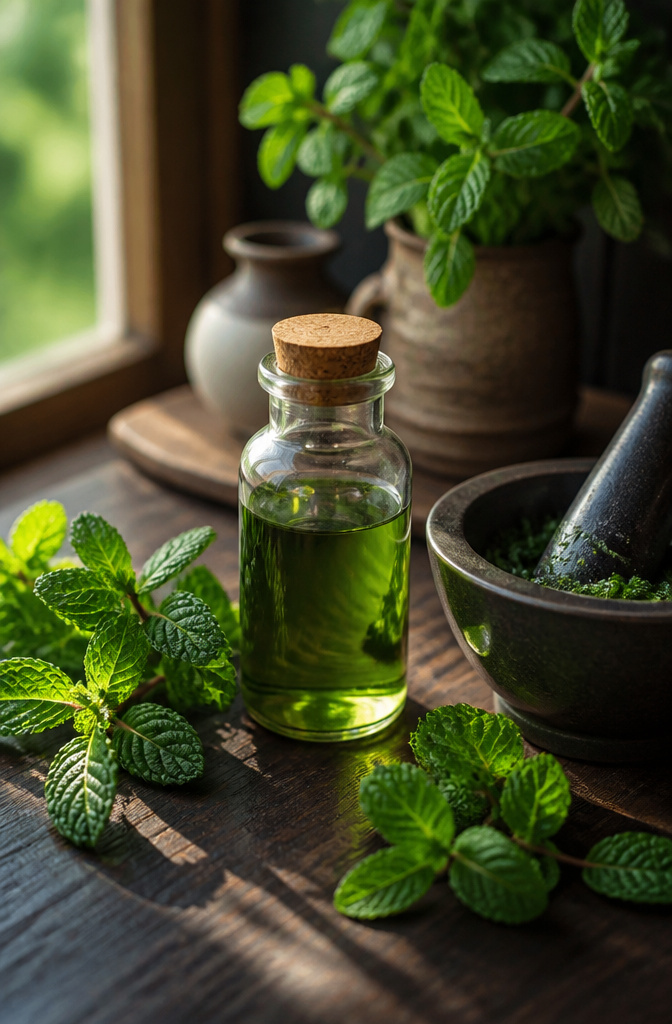
Peppermint oil carries one of the more interesting research stories among herbs for hair growth. A 2014 study applied a 3% dilution of peppermint oil to mice and found it seemed to push more follicles into the anagen, or active growth, phase. The oil also appeared to increase follicle depth and improve blood circulation to the roots, which feeds follicles the oxygen and nutrients they need to keep producing hair.
That cooling tingle you feel on your scalp when peppermint oil hits? That is the mentol working as a vasodilator, widening blood vessels and bringing more flow to the surface. It is also why peppermint can calm itch or irritation pretty quickly.
The catch: that promising study was done on mice, not people, and no one has replicated it in human trials yet. So the growth claims are suggestive, not proven.
If you want to try it anyway, proper dilution matters. Essential oils this strong can burn or irritate skin straight from the bottle. Most guidelines suggest mixing peppermint oil with a carrier oil at somewhere between a 1% and 3% concentration, then patch-testing a small spot before you commit to a full scalp treatment.

Fuller Looking Hair in 8-12 Weeks: Mix 2-3 drops with 1 tablespoon carrier oil (jojoba, coconut, argan, grapeseed), massage scalp 2-3x weekly. Or add 3-5 drops to shampoo directly. Many customers report fuller appearance and improved scalp health after consistent use.

Premium Quality Rosemary Essential Oil: SVA Rosemary Oil is an essential oil and is obtained by steam distillation of Rosmarinus Officinalis herb. Our Rosemary oil is free of preservatives and comes with a dropper for easy application. It is not tested on Animals. We care for you!

100% PURE & NATURAL ROSEMARY OIL - Majestic Pure Blends oils are exactly that! Many oils being sold make that claim but are in fact made of natural isolates and mixtures. Each essential oil is tested by an independent lab which is why every bottle comes with a Quality Guaranty.
3. Onion Juice
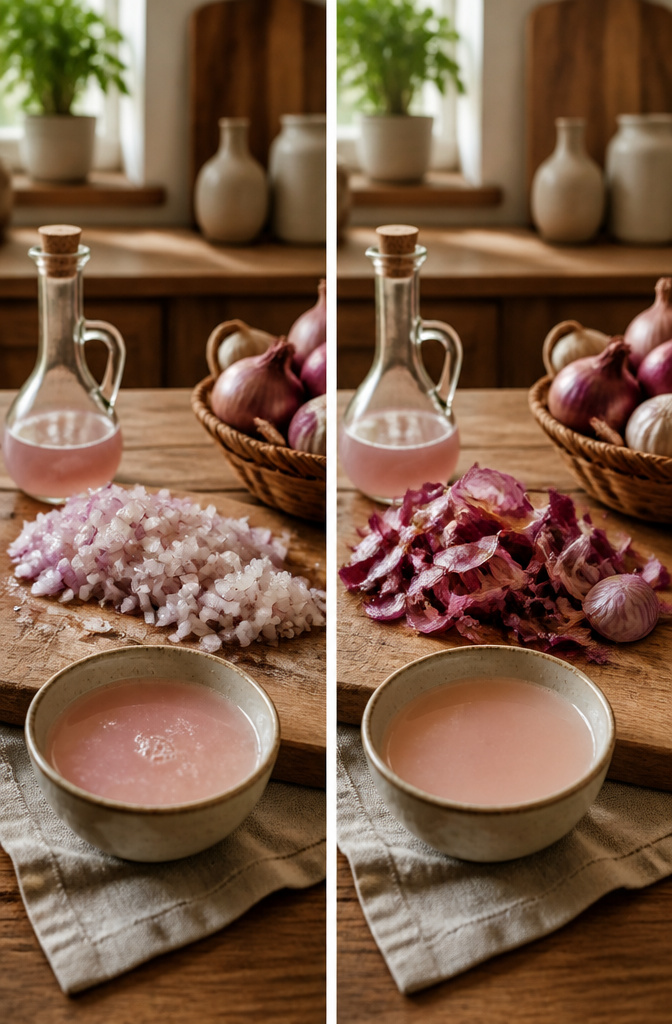
Raw onion juice sits at the top of the results list for a reason: 87% of participants in one clinical study saw complete hair restoration after eight weeks, compared to just 13% in the placebo group. The sulfur in onion juice feeds directly into keratin production, and keratin is what gives hair its structure. Sulfur also helps the body build collagen, which keeps the scalp environment healthy enough to support new growth.
The smell is the real barrier here. Most people who try this treatment drop it not because it fails, but because walking around with raw onion on their scalp is socially awkward. The study noted this as the main side effect, and it is significant enough that adherence becomes a practical problem.
If you can work around the odor, perhaps by applying it before a shower and rinsing thoroughly, the concentration and frequency that worked in the study were daily topical use of crude juice over that eight-week window. Larger studies still need to confirm the exact protocol, but the sulfur and phenolic compounds like quercetin give onion juice a plausible mechanism beyond placebo effect.
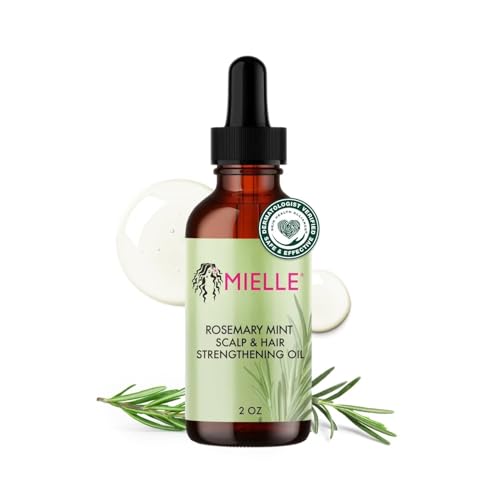
Award-Winning Treatment - Our Rosemary Mint Scalp and Hair Oil is a nutrient-rich, intensive formula that blends biotin, mint, and essential oils including castor, tea tree, jojoba, coconut, and peppermint oil. This nourishing treatment supports a dry scalp and helps fortify strands from root to tip.
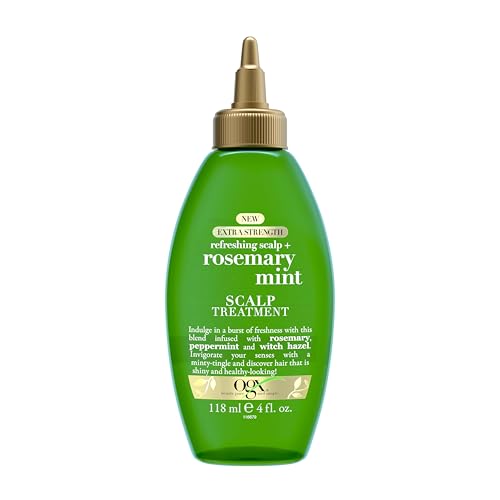
Scalp Refreshing: This 4-fluid ounce leave-in dry scalp treatment gently invigorates and clarifies with rosemary oil, peppermint extract, and witch hazel; the lightweight formula helps remove buildup and leaves hair soft, shiny, and refreshed.

REFRESHING PEPPERMINT HAIR OIL BLEND - Difeel Peppermint Hair Oil Blend is infused with peppermint oil to provide a cooling, refreshing sensation while helping maintain a healthy-looking scalp and hair.
4. Saw Palmetto
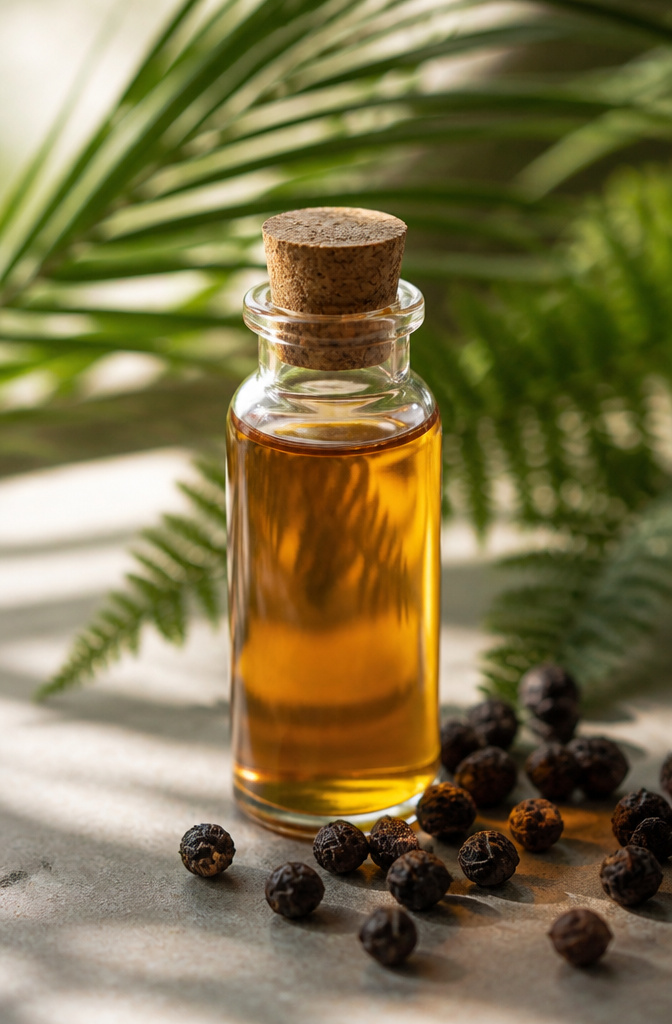
Saw palmetto, or Serenoa repens, works differently from most herbs on this list. It’s a 5-alpha reductase inhibitor, which means it blocks the enzyme that converts testosterone into DHT, the hormone that shrinks hair follicles in androgenetic alopecia. That is the same mechanism finasteride uses, though saw palmetto is less potent: in a two-year study of 100 men, finasteride improved hair density in 68% of participants versus 38% for saw palmetto. Still, the herb stabilized hair loss progression in 52% of cases, and overall reviews note a 60% improvement in hair quality with doses between 100 and 320 mg.
The tradeoff is real. Finasteride wins on raw effectiveness, but saw palmetto carries a gentler side-effect profile. For readers who want a natural approach and can accept slower or more modest gains, it is worth considering.
Skip this one if you are on hormonal medications or have any hormone-sensitive condition. Because saw palmetto actively modulates androgen pathways, it can interfere with therapies like birth control, hormone replacement, or cancer treatments. Check with your clinician first.

Onion Hair Growth Serum for Daily Scalp & Hair Care - This Onion Hair Growth Serum is designed for regular scalp and hair care routines, helping provide moisture and nourishment to support a healthy-looking scalp and fuller-looking hair appearance with consistent use.

1️⃣ Nourishes & Revitalizes Scalp Infused with fresh onion juice, rice water, rosemary, and peppermint, this lightweight spray helps hydrate and refresh the scalp for hair that looks and feels healthier.
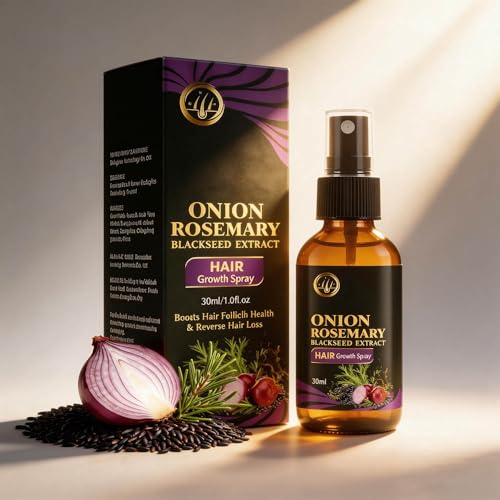
Carefully Selected Ingredients: A blend of onion extract, rosemary, and black rice. onion oil for hair growth. Each ingredient is designed to complement daily scalp care, helping to maintain hair's natural look and texture.
5. Aloe Vera
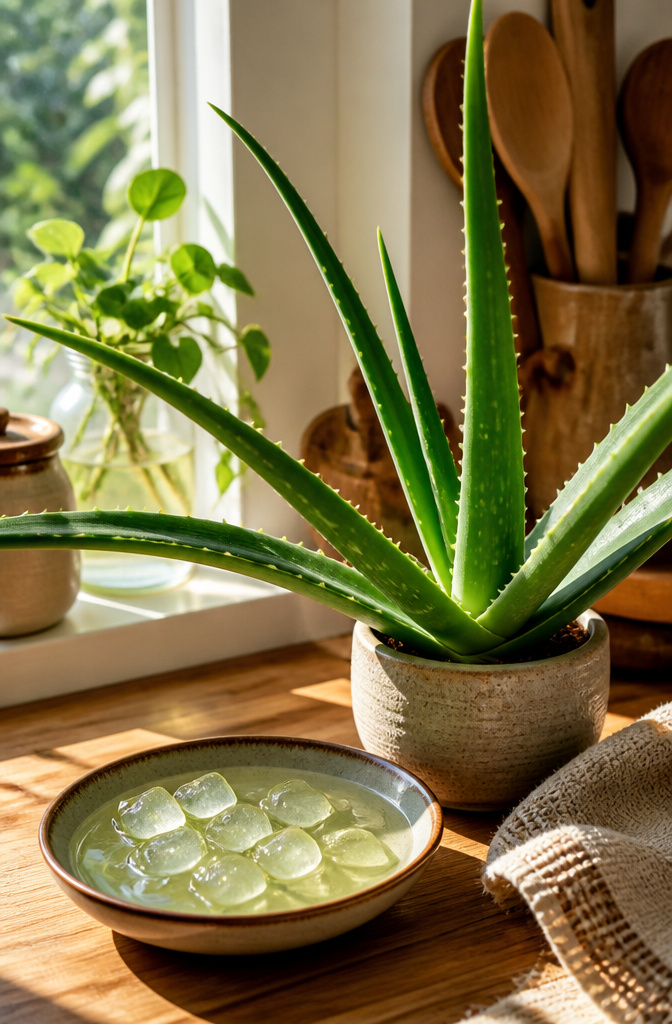
Aloe vera sits on my bathroom shelf for two reasons, and neither is a miracle growth claim. The gel is anti-inflammatory and moisturizing, which matters more than most people realize when they’re hunting for herbs for hair growth.
An irritated scalp is basically hostile territory for follicles. Aloe calms that inflammation, whether it shows up as persistent itch, redness, or flaking from dandruff. The enzymes in the gel also break down dead skin cells and excess sebum that can clog follicles and block new growth before it starts.
The pH level is close to hair’s natural state, so it conditions without the stripped feeling some treatments leave behind. Hydration strengthens the scalp barrier too, which cuts down on dryness-related shedding that gets mistaken for true hair loss.
Raw gel straight from the plant works, or you can blend it into a hair mask with other herbs. Either way, the value is in the environment it creates: soothed, hydrated, balanced. Growth follows healthy conditions more often than it follows force.

What Makes Us Different? Unlike generic hair oils, Hair Thickness Maximizer’s Saw Palmetto Serum is specifically made for your hair growth in mind! We created a non-toxic, clean, sustainable, cruelty-free, and restorative hair-care treatment so that you can feel confident in your appearance.

Hair Growth Magic: Our Hair Thickness Maximizer’s Saw Palmetto Serum is crafted for boosting your hair growth. It’s a non-toxic, clean, and cruelty-free formula designed to help you rock your look with confidence

Advanced Hair Density Support Formula: Powered by a potent blend of 5% Saw Palmetto, 3% Rosemary, 1% Caffeine Herbasome & 3% Fenugreek, this advanced hair growth roller serum supports visibly fuller-looking and healthier hair with regular use.
6. Ginseng
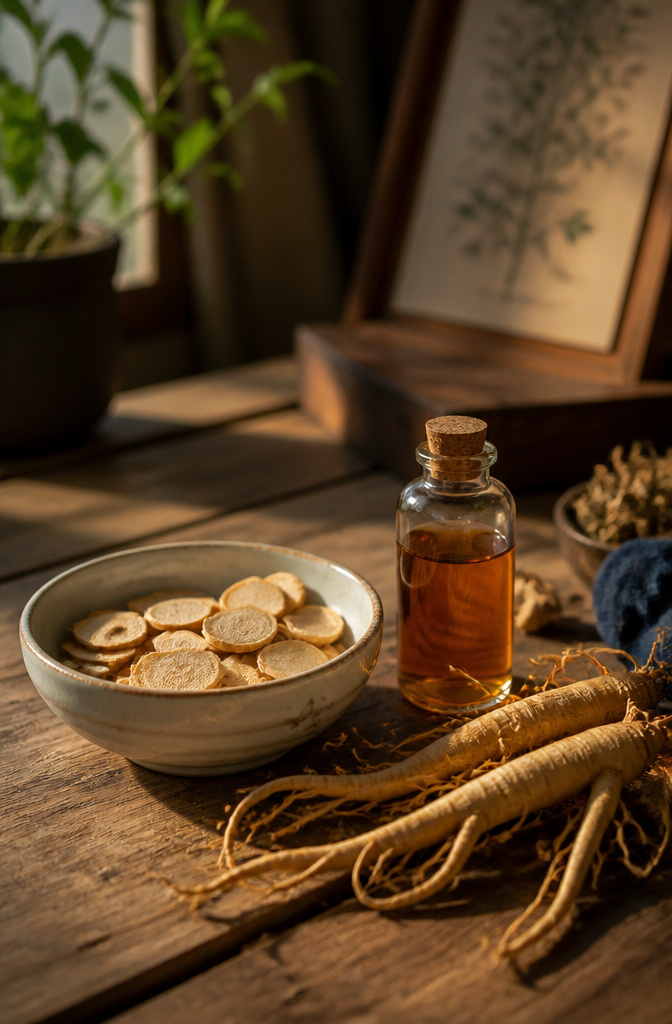
Ginseng works at the follicle level through specific active compounds called ginsenosides. These activate VEGF and CD34 pathways, both critical for regenerating follicle tissue and keeping the growth cycle running. Cultures across Asia have used it this way for centuries, long before labs could isolate the mechanism.
Topical ginseng and oral supplements hit different targets. Applied to the scalp, it delivers ginsenosides directly to the follicle environment. Swallowed, the compounds circulate systemically, which may support overall scalp health but with less precision at the site. Most studies focus on isolated ginsenosides rather than whole-root preparations, so standard supplements vary in potency and may not match the research doses. If you are buying off the shelf, check whether the label specifies ginsenoside content or lists only raw root weight, which tells you little about active strength.

Herbaceous Aroma Rosemary Essential oil: SVA Rosemary Essential Oil 4oz is thoughtfully packaged in an amber bottle with a dropper for convenient use. Suitable for diffuser and aroma routines, it can also be incorporated into a variety of personal care and DIY applications.
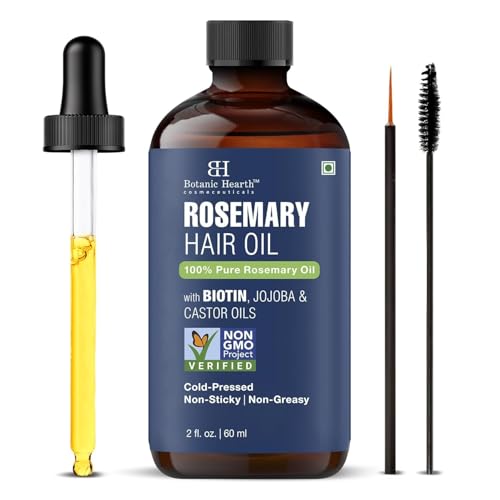
Helps Promote Hair Thickening: Botanic Hearth Rosemary Cold Pressed Hair Oil, made with organic rosemary, helps thicken hair strands by strengthening hair follicles and fighting hair breakage. This hair oil for hair growth helps stimulate hair follicles to encourage healthy, thicker and faster hair growth.

100% PURE & NATURAL CASTOR OIL IN PLASTIC BOTTLE: Our castor carrier oil is used for essential oils mixing, hair care skin care, aromatherapy massage and has endless uses. Expeller-Pressed and Hexane-Free.
7. Hibiscus
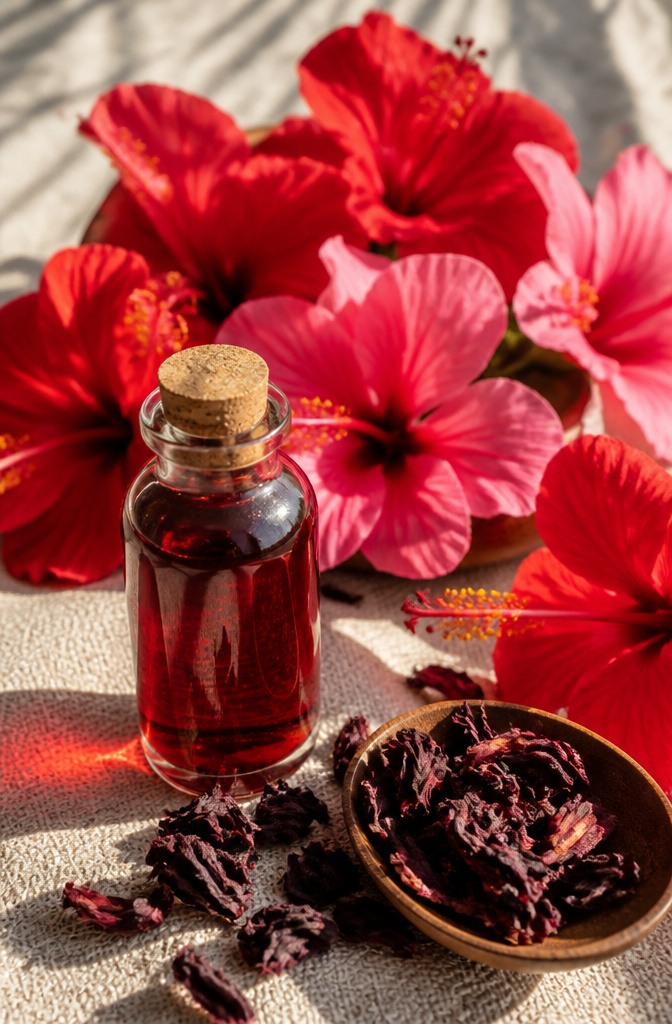
Hibiscus brings a lot of vitamin C and amino acids to a hair routine, which is why traditional hair care has leaned on both the flowers and the leaves for conditioning and strength. The red variety, Hibiscus rosa-sinensis, shows up most often in cosmetics and medicine, though the flowers come in plenty of colors if you are growing it yourself.
You can work hibiscus into rinses, shampoos, conditioners, or masks. Some animal studies suggest the extract supports follicle health and hair density, but human clinical evidence is still lacking, and there is no solid proof it regrows hair or reverses loss. The benefits sit more in the slow-build category: improved texture, less breakage, better scalp health over time.
If you need visible length by next month, this is not your herb. Hibiscus rewards patience, not urgency.

Uses Include: Our Premium Fragrance Oils are great for soap making, creating your own candles, air freshener spray, skin and hair care formulations, cleaning products, for use in home aroma diffusers, scented dryer sheets, to freshen a drawer, potpourri, freshen carpets, massage/body oil, sugar scrubs, bath bombs, perfume, cologne and much more. Personalize any of your unscented products. Use your imagination to create a scent that is simply yours.

ROSEMARY OIL FOR HAIR: Promote hair growth with Plant Therapy's Rosemary essential oil, specifically known to promote strong, healthy hair and scalp. Dilute in a carrier oil and massage 4-5 drops into the scalp 1-2 times per week for fuller, thicker, healthier hair and scalp.

VERSATILE AROMATHERAPY OIL: Diffuse our Organic Rosemary 1,8-Cineole to create a stimulating and uplifting atmosphere in your home. It is widely used in massage blends in combination with black pepper organic to relieve muscle pain and arthritis. Add it to your favorite DIY shampoo products or carrier oils to boost hair growth or use it as a scalp treatment. A maximum of a 1% dilution is recommended for head and face.
8. Stinging Nettle
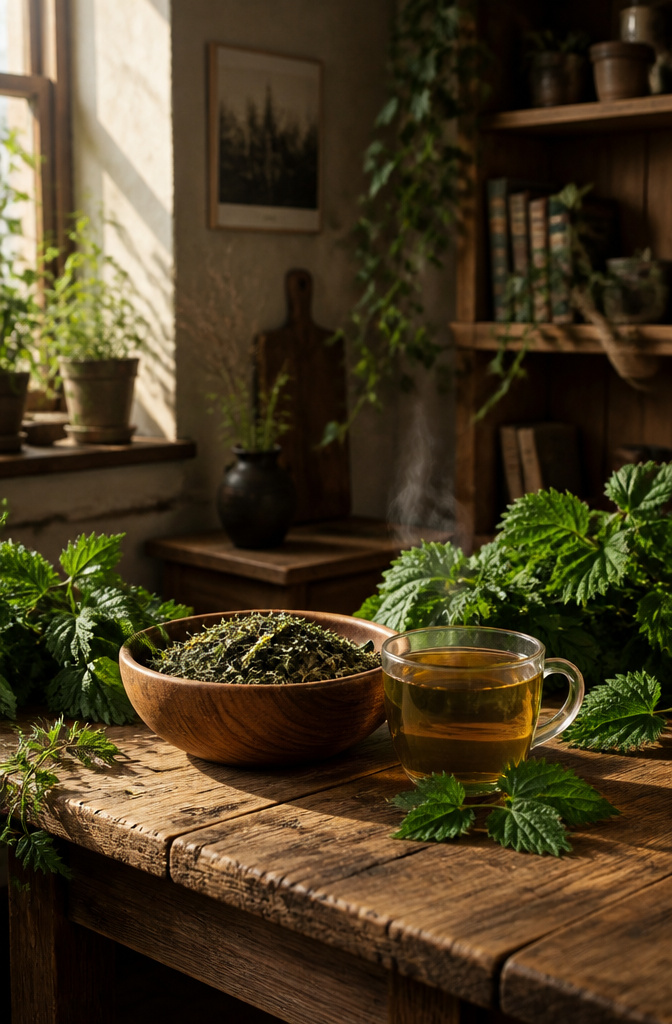
Stinging nettle brings real research weight to herbal hair care through its beta-sitosterol content, a plant compound that promotes dermal papilla cell growth, the foundational cells that keep follicles strong and active. That mechanism separates nettle from gentler scalp soothers and puts it in the category of herbs that may actually shift how hair grows rather than just how it feels.
The dual use is practical. Dried nettle works as a tea, and the same cooled infusion doubles as a scalp rinse after shampooing. No separate preparation needed if you are already brewing it.
One limit worth respecting: fresh nettle stings on contact. Handling or harvesting it without gloves will leave you with irritated skin, so stick to dried forms for home use or wear proper protection if you are working with the live plant. The dried herb delivers the same minerals, iron and magnesium included, without the welts.

Peppermint Oil for Hair: For thicker, fuller-looking hair, this peppermint oil gives your scalp a cool, tingling lift you can feel at every wash, blend 3-4 drops into a tablespoon of coconut or jojoba oil and massage in from root to tip.

Soothes Dry, Itchy Scalp – Infused with Peppermint & Tea Tree Oil, this scalp oil helps relieve dryness, itching, and dandruff, leaving your scalp refreshed

Peppermint Power For Hair: Forget generic oils; Our peppermint hair growth oil 1oz is all about promoting hair growth. Our peppermint oil for hair growth is non-toxic, clean, sustainable, and cruelty-free, making you feel great about your hair
9. Fenugreek
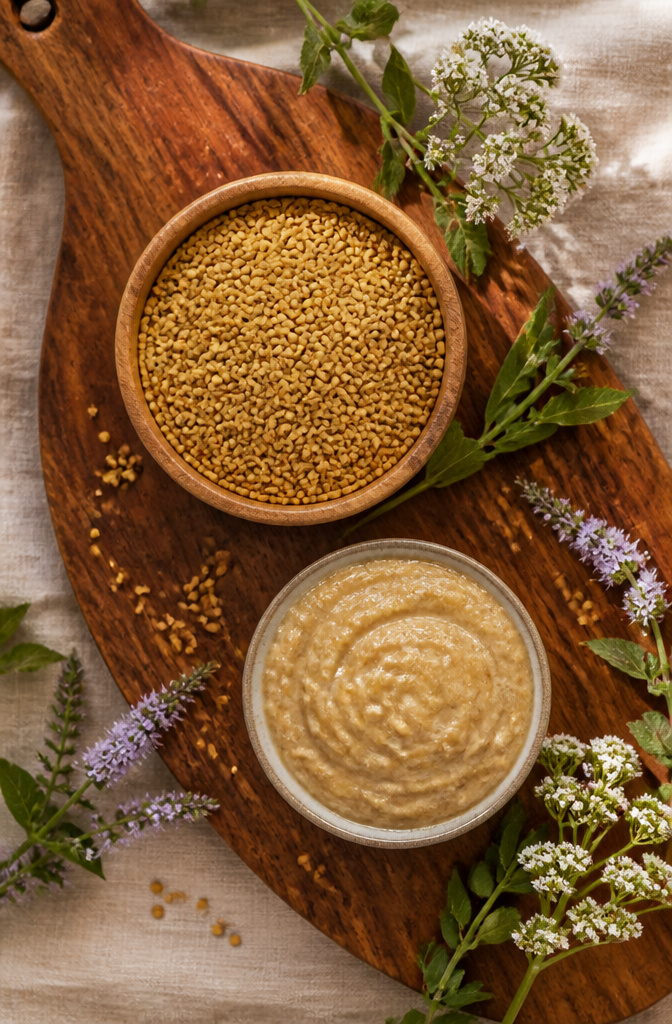
Fenugreek seeds carry a rich, earthy scent that makes them a natural fit for conditioning pastes rather than growth serums. Where other herbs on this list aim directly at the follicle, fenugreek works more like a supporting player: it coats what you already have and makes it behave better.
The seeds contain lecithin, a lipid that clings to the hair shaft and adds slip and weight without silicones. Soaked overnight and ground into a paste, fenugreek becomes the base of a mask that softens tangles and calms frizz. Most home recipes blend it with yogurt or honey, leave it on 20–30 minutes, then rinse thoroughly. The result is more manageable hair, not necessarily more of it.
For readers hunting growth miracles, this one might disappoint. For anyone whose breakage comes from dryness and rough handling, fenugreek fills a genuine gap. It strengthens indirectly by reducing the mechanical damage that happens during combing and styling. Think of it as prep work: the herb that keeps the hair you have in better condition while the growth-focused treatments do their slower work deeper in.

Activates The Hair Roots To Promote Healthy Hair Growth

Pure Onion Oil for Hair Care: SANOOR Himalayan Red Onion Hair Oil is made with pure onion oil and designed for dry-looking, dull, rough-feeling, and frizzy hair. A simple hair care oil for people who want softer, smoother, and more manageable-looking hair.

No Onion Scent: Fresh, light fragrance that's pleasant to wear all day.
10. Horsetail
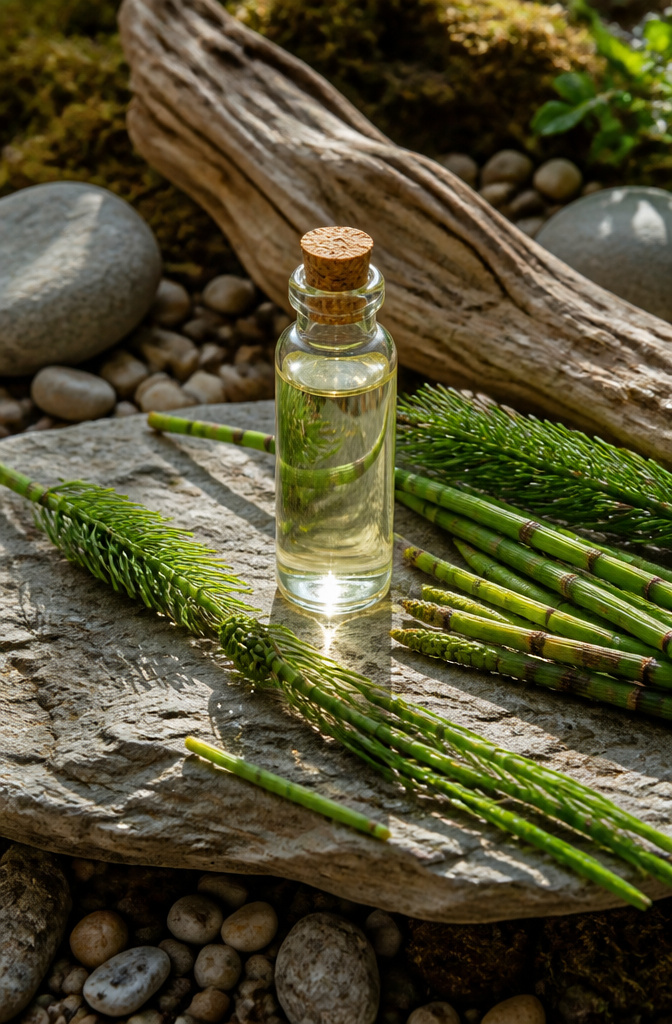
Horsetail gets most of its hair-care reputation from silica, not from speeding up growth at all. Silica is a mineral compound, and it is not the same thing as silicon, the element used in semiconductors. In supplements, silica often shows up as orthosilicic acid, which a 2016 review linked to stronger collagen production in skin, less hair fall, and harder nails. That same logic gets extended to hair: silica penetrates the follicle and the hair matrix where cells build the strand, which can make existing hair thicker and more elastic.
The catch is what the marketing leaves out. Evidence that horsetail directly promotes new hair growth is very limited, with most available studies being small, using animal models, or measuring strength rather than regrowth. Antioxidants in the herb may protect follicles from free-radical damage, which is useful, but it is not the same as proving the plant speeds up growth cycles. For anyone weighing this option, horsetail looks better as a support for reducing breakage than as a standalone fix for thinning.

Womens Saw Palmetto - Formulated with 1500mg of saw palmetto and 5000mcg of biotin, these capsules act as a DHT blocker to support hair and skin health, helping maintain natural beauty from within.


Biotin Hair Growth Serum For Women That Supports Thicker Fuller Hair: Advanced scalp and hair serum for thinning hair women powered by peptides, biotin, and caffeine to strengthen follicles and support the appearance of healthy hair growth and healthy-looking density. Our hair scalp serum works for all hair types that need thickness and volume including fine straight, wavy, coarse, coily, kinky, color treated hair, dry scalp, oily scalp, low porosity, high porosity, chemically treated, relaxed, blonde, locs, or curly hair
11. Red Clover
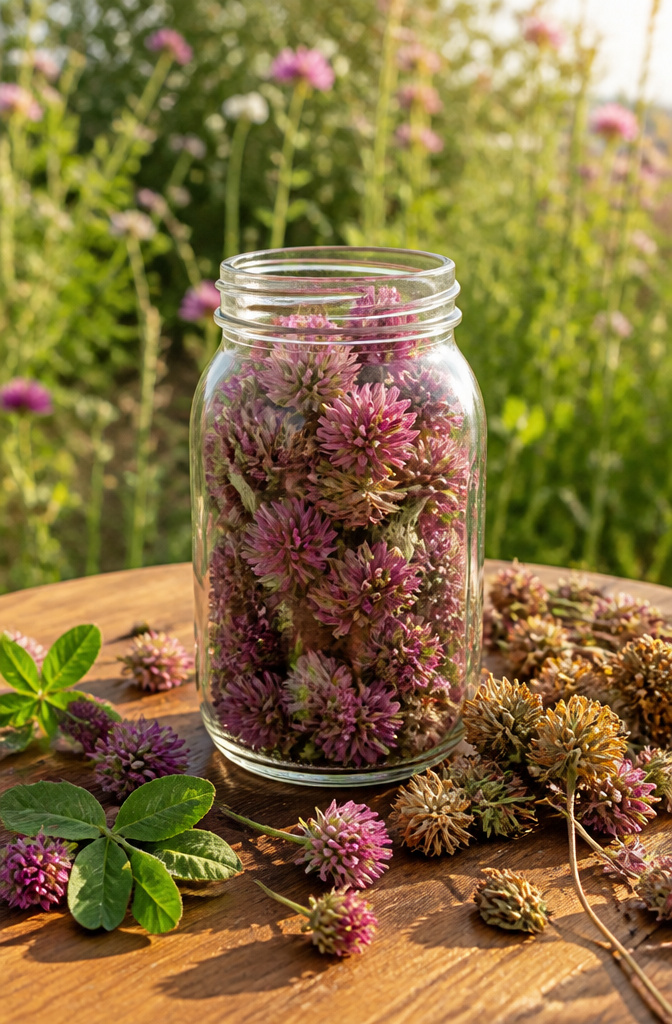
Red clover carries isoflavones, compounds that sit close enough to estrogen to disrupt the same hormonal pathways. The mechanism looks familiar if you have read about saw palmetto: both herbs appear to inhibit 5-alpha reductase, the enzyme that turns testosterone into DHT. Red clover’s effect is milder, which makes it less of a standout for aggressive androgen-driven loss but potentially useful for the slower, more diffuse thinning some women notice around menopause.
A small scalp study, just 30 men using a 5% extract for four months, shifted the hair cycle in measurable ways. The active growth phase, anagen, rose 13%, while the resting telogen phase dropped 29% against placebo. Those numbers are not nothing, though four months and thirty subjects leave plenty of room for doubt about what happens long-term.
The overlap with menopause is where I would actually look first. If your shedding tracks with hot flashes or other hormonal shifts, the isoflavone profile might fit your situation better than someone with classic male pattern recession. Skip this one entirely if you take blood thinners or have any clotting disorder; the same compounds that gently nudge hormones can nudge platelet behavior in directions you do not want.
12. Indian Gooseberry
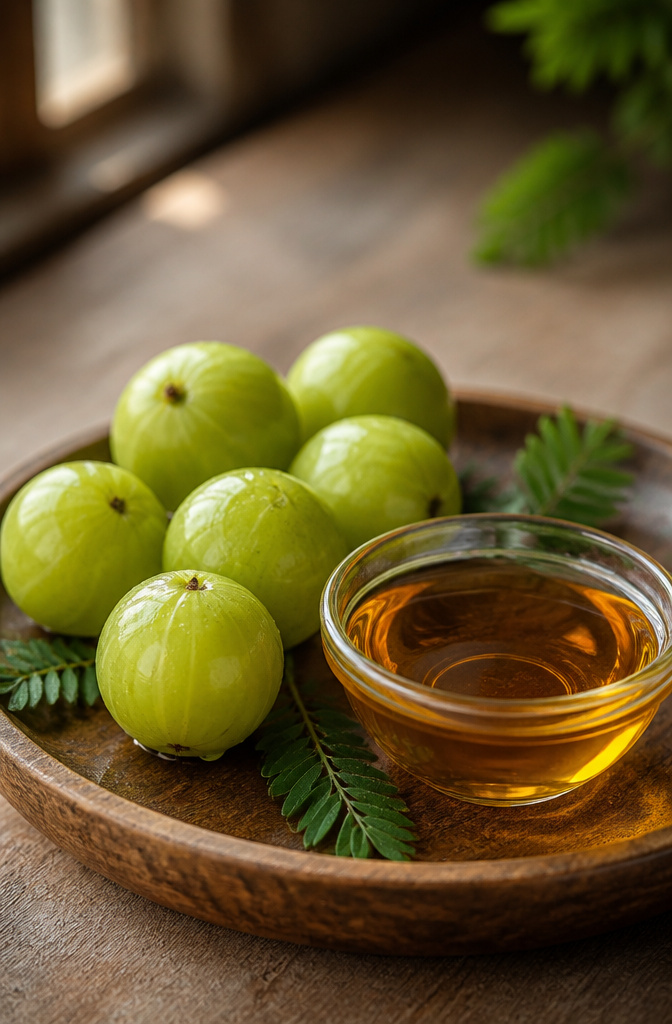
Indian gooseberry, or amla, carries one of the highest vitamin C concentrations found in any plant source. That density has made it a staple in Ayurvedic hair care for centuries, where practitioners used the fixed oil to strengthen strands and the dried fruit powder to cleanse the scalp in traditional shampoos and oils.
Two preparations dominate how people actually use it. Amla oil, extracted from the seeds or infused with the fruit, works as a pre-wash treatment or overnight scalp mask. The powder mixes into pastes with water or yogurt for a clarifying rinse that lifts buildup without stripping oils.
What the available research actually supports is more modest than the growth claims you’ll see on packaging. Studies point to antioxidant effects and scalp health support rather than direct follicle stimulation or measurable increases in growth rate. The vitamin C and tannins help buffer oxidative stress around the hair shaft, which can reduce breakage and preserve length you’re already growing, not necessarily speed new growth itself.
If you’re buying amla specifically for growth, temper expectations: it protects more than it proliferates. For maintaining what you have, especially on color-treated or heat-damaged hair, the antioxidant shielding is where the real value sits.
13. Green Tea
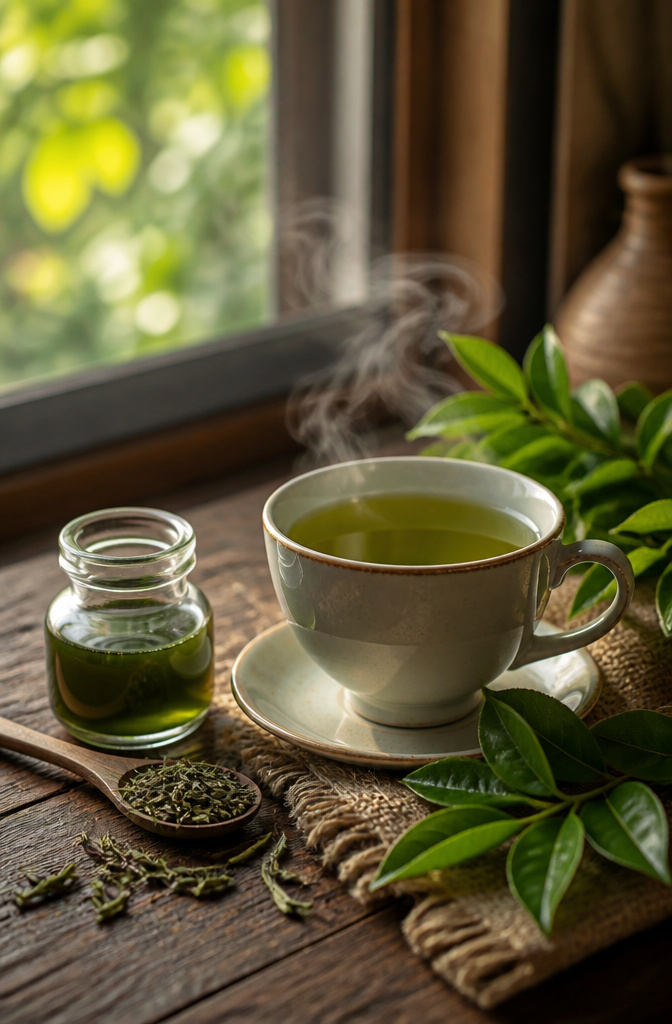
Green tea’s hair benefits come down to EGCG, a catechin compound that may help block DHT, the hormone linked to pattern hair loss. The concentration matters more than the ritual. A morning cup contains some EGCG, but the amounts studied for DHT inhibition come from concentrated extracts, not the brewed beverage.
Drinking green tea daily won’t hurt, and the antioxidants support overall health. For targeting hair loss specifically, though, you’d need extract levels that are hard to reach from tea bags alone. I see people brewing four or five cups and calling it a treatment plan, but the research points toward standardized supplements.
The caffeine is worth watching. Green tea extract delivers a noticeable stimulant hit, and sensitive individuals can get jittery or sleep-disrupted even from doses taken in the early afternoon. If coffee already wires you, start low with any extract and take it before noon. Decaffeinated green tea extracts exist, though they typically contain less EGCG, so check the label if you’re comparing options.
14. Neem
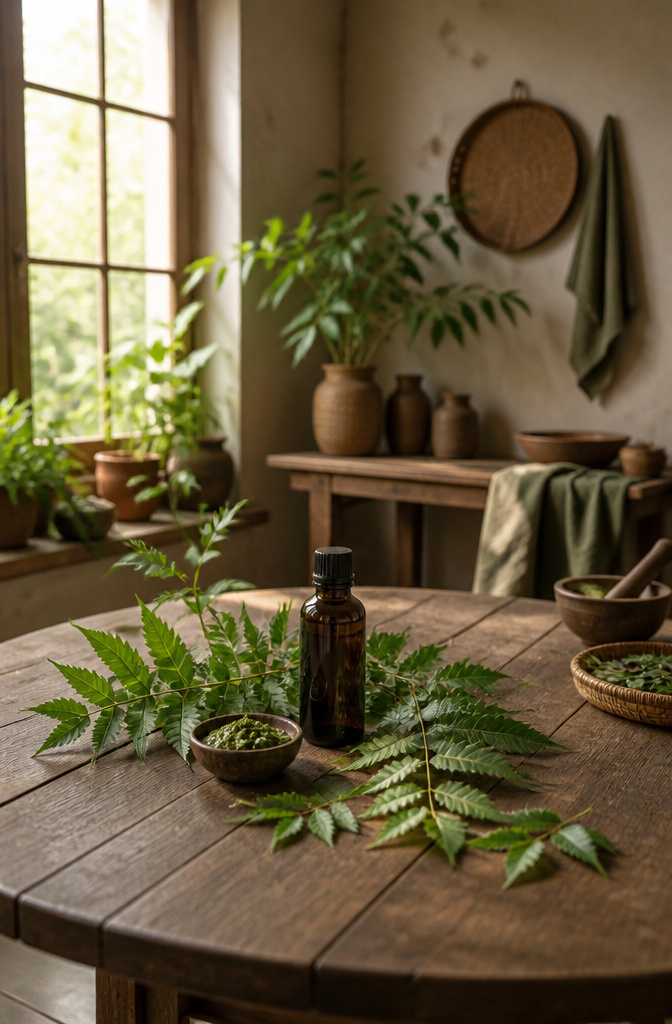
Neem doesn’t get the spotlight in most hair-growth conversations, and that’s a shame. Its real strength is scalp health, which matters because an irritated scalp is often what blocks growth in the first place. The antifungal and antibacterial properties work against the yeast and bacteria that lead to dandruff, excess flaking, and conditions like seborrheic dermatitis. Tea tree oil gets most of the press for this job, but neem offers a similar angle without the same risk of irritation for sensitive skin types.
I think of neem as a prep step rather than a growth stimulant. If your follicles are dealing with constant low-grade inflammation from a fungal imbalance, they aren’t going to shift into a productive growth phase no matter what else you try. A neem oil scalp treatment or a few drops in your regular shampoo can calm that environment down. It won’t directly speed up growth, but it removes a common barrier that keeps hair from reaching its full length. For anyone who’s tried rosemary and peppermint without much change, the scalp itself might be the problem worth fixing first.
15. Sage
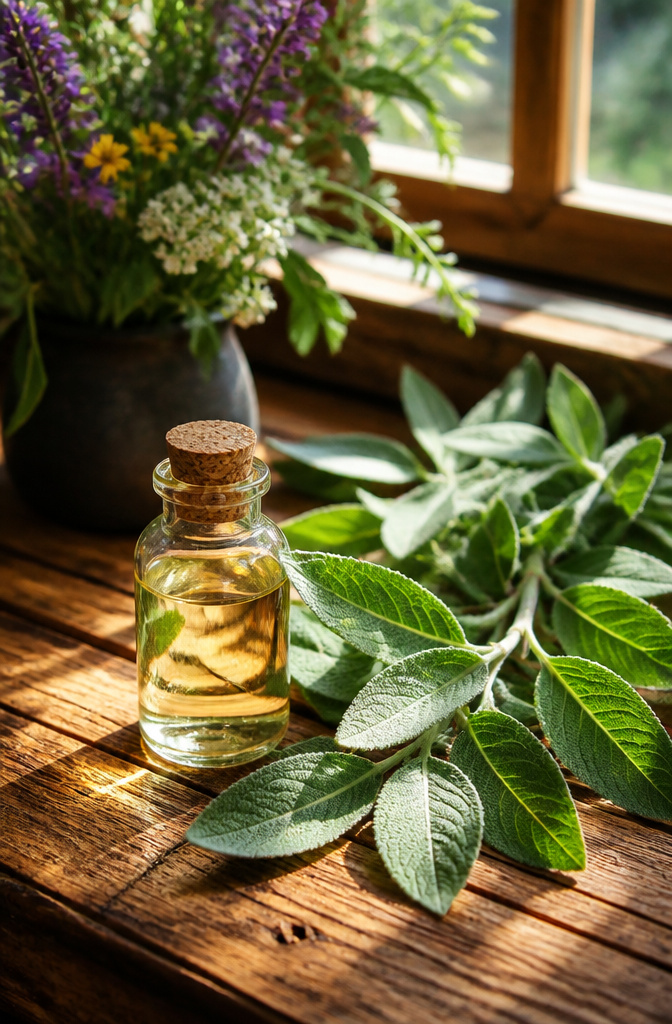
Sage extract has been shown to activate human dermal papilla cells, the same cells at the base of hair follicles that rosemary targets. A 2020 study found this effect in mice, though human trials are still needed to confirm whether it actually leads to regrowth.
The herb also carries a long folk reputation for darkening hair over time, something rosemary isn’t known for. That dual history makes it tempting to reach for sage first, but I’d place it as a backup option. The research backing rosemary is simply stronger and more developed right now.
If you do try sage essential oil, dilute it in a carrier oil like olive oil before applying it to your scalp. Undiluted essential oils can trigger contact reactions, including irritation and redness, even from natural sources.
How These Herbs Actually Work
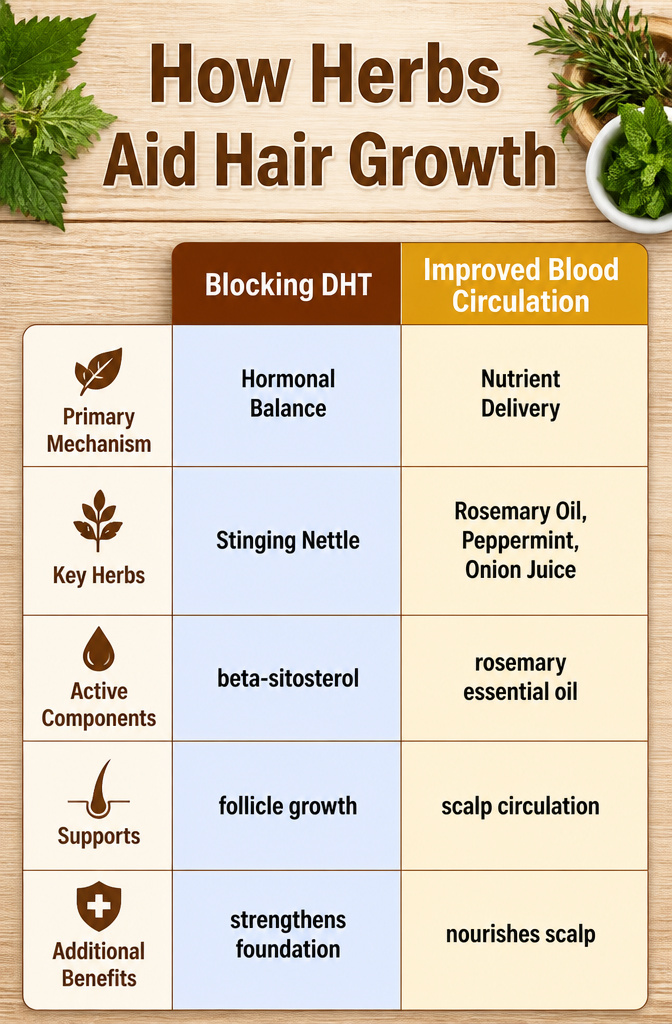
Most herbs for hair growth work through one of three pathways, and matching your situation to the right mechanism saves you from trying the wrong remedy for months.
Blocking the DHT conversion is the route for hormonal thinning. Stinging nettle contains beta-sitosterol, a compound that interferes with how testosterone converts to DHT, the hormone tied to pattern hair loss. It also supports dermal papilla cell growth, which strengthens the follicle’s foundation and can improve density over time.
Improved blood circulation helps when follicles are underfed rather than hormonally attacked. Rosemary oil and peppermint both stimulate scalp circulation, which brings more nutrients to the follicle. Quercetin in onion juice works similarly, though it won’t touch DHT levels, so it is unlikely to slow male pattern baldness on its own.
Scalp environment support matters for irritation, oiliness, or flaking that blocks healthy growth. Peppermint’s menthol and menthone compounds soothe occasional irritation and dandruff, while nettle’s iron and magnesium levels nourish the scalp directly.
If your hair loss is gradual and runs in your family, start with DHT blockers. If you notice more shedding after tight styles or stress, circulation herbs make more sense. For itchiness or visible flaking, fix the scalp first; nothing grows well in soil that is irritated or clogged.
Making and Using Herbal Hair Treatments
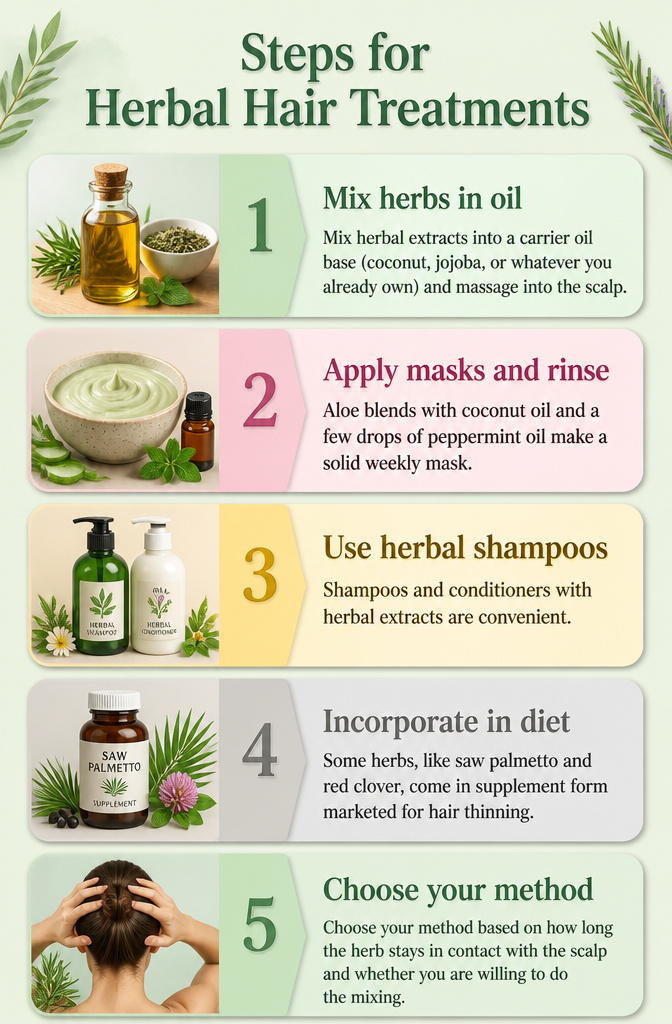
- Oils are the most direct route. Mix herbal extracts into a carrier oil base (coconut, jojoba, or whatever you already own) and massage into the scalp. Essential oils need dilution; undiluted peppermint or rosemary can irritate skin rather than help it.
- Rinses and masks give a shorter window. Aloe blends with coconut oil and a few drops of peppermint oil make a solid weekly mask. Apply to scalp and length, leave for 30 minutes, then rinse with lukewarm water and shampoo. The fatty acids hydrate, but rinse-off contact limits how much active ingredient actually reaches the follicle.
- Shampoos and conditioners with herbal extracts are convenient. They are also the least effective format because the ingredient barely sits on the scalp before washing away.
- Dietary use works from the inside. Some herbs, like saw palmetto and red clover, come in supplement form marketed for hair thinning. They can interact with medications, so they are not a casual add-on.
- Choose your method based on how long the herb stays in contact with the scalp and whether you are willing to do the mixing. Oils win on both counts.
What to Know Before Starting
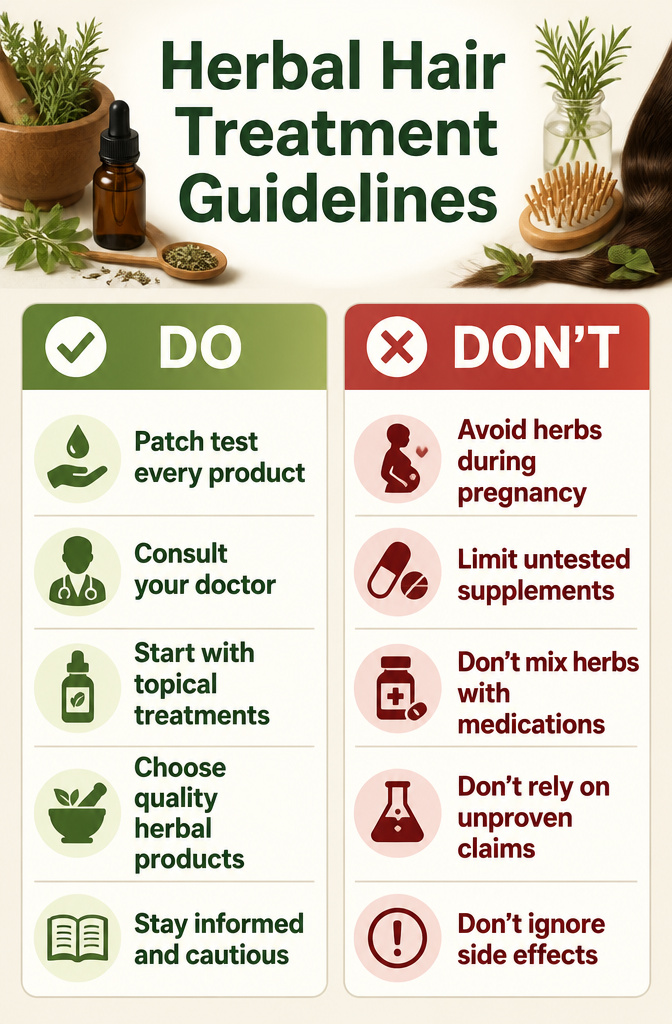
Herbs can help with hair growth, but they are not risk-free. Here is what to keep in mind before you start:
- Patch test every new product. Dab a small amount on your inner forearm or behind your ear, leave it for 24 hours, and watch for redness, itching, or stinging before you put anything on your scalp.
- Check with your doctor if you take medications. Some herbs interact with common prescriptions or health conditions.
- Skip oral herbs during pregnancy and breastfeeding unless your doctor or a qualified herbal practitioner specifically says otherwise. This applies to supplements and extracts especially.
- Know that long-term safety data in humans is limited. Most herbs for hair growth have not been studied enough to standardize dosing, and side effects are not fully mapped.
"Herbs are not safe for everyone. Some herbs can interact with medications and other health conditions, and some shouldn’t be used during pregnancy and breastfeeding. Taking certain supplements can actually worsen hair loss, too."
— WebMD
That last point is easy to overlook. A supplement marketed for hair growth can backfire, so starting with topical treatments like creams, serums, or scalp massages is generally the gentler first step.
Frequently Asked Questions
Do herbs help with hair loss?
Some herbs may help strengthen hair, support scalp health, improve hair thickness, or stimulate the hair growth cycle, but no herbal remedy can regrow a full head of hair. More clinical trials on humans are needed before herbal remedies become mainstream treatments. Be wary of products that claim to be a hair growth sensation.
What are the best herbs for hair growth?
Rosemary carries the strongest clinical backing; a six-month study found a 3.7 mg/mL rosemary oil lotion matched 2% minoxidil in hair count gains. Peppermint, ginseng, and stinging nettle also show promise, though human evidence varies widely. The best choice depends on your specific cause of hair loss.
How do I use herbs for hair growth?
Oils are the most direct route: mix herbal extracts into a carrier oil and massage into the scalp. Rinses, masks, and shampoos work too, though they offer shorter contact time. Some herbs, like saw palmetto and red clover, come in supplement form. Always dilute essential oils and patch test first.
What is the most powerful herb for hair growth?
Rosemary has the strongest research support, with one study showing it matched minoxidil’s results over six months. Other herbs like peppermint, nettle, and ginseng are often cited, but human evidence for them remains thinner. More research is needed to confirm how any herb ranks against others.