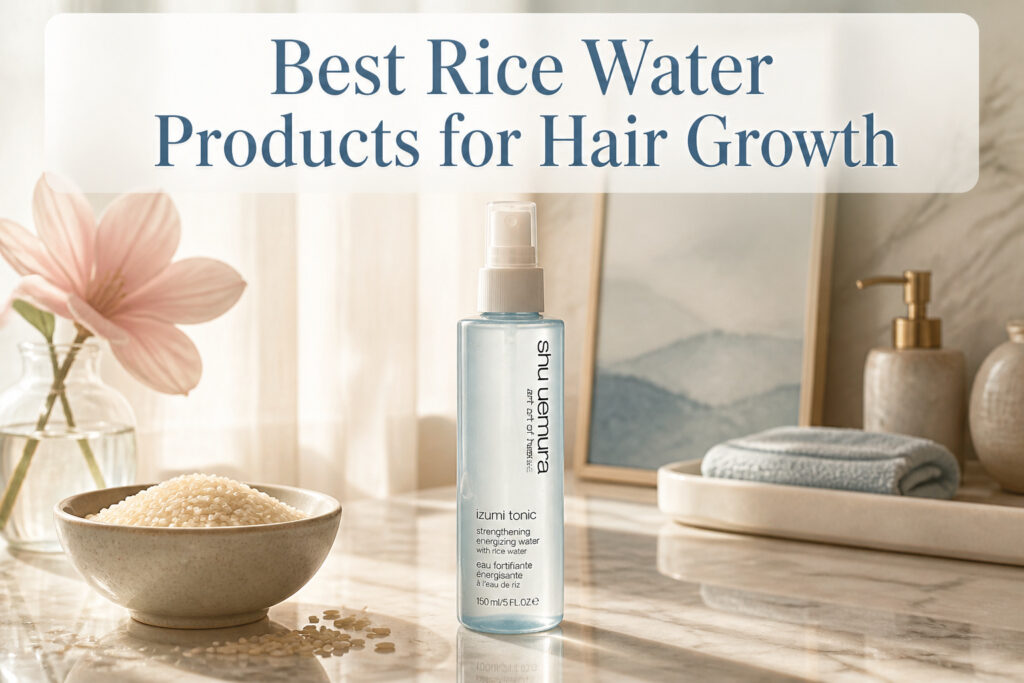
The best rice water for hair growth is a lightweight liquid tonic, not the thick mask most people try first. Fine or thinning hair needs the amino acids and inositol without the coated, flattened finish that drives people away from the category entirely. Shu Uemura’s Izumi Tonic gets this right: it sprays onto damp hair and dries nearly invisible, building body without bulk.
1. Shu Uemura Izumi Tonic Thickening Rice Water
Shu Uemura’s Izumi Tonic sits at the top of this list because it gets the rice water basics right without overcomplicating them. The formula builds volume from a fermented rice water base, which means you’re getting the amino acids and inositol that actually strengthen strands over time. What separates it from heavier treatments is the weight: this is a liquid tonic, not a mask or cream, so it spreads through fine hair without that coated feeling that can make thin strands look flatter than when you started.
I’ve watched friends with thinning hair skip rice water entirely because they tried a thick mask first and assumed the whole category would drag their style down. A lightweight delivery system changes the math for fine or thinning textures. You spray this onto clean, damp hair and work it through the scalp and mid-lengths. It dries down nearly invisible, which matters if you air-dry or if you’re layering other stylers on top.
The tradeoff is that you’re not getting the intensive conditioning of a deep treatment. For hair that’s both fine and genuinely dry, you’d pair this with a separate moisture pass on the ends or rotate it with a richer weekly mask. But as a daily or near-daily strengthener that builds body without bulk, it earns its place here.

Rosemary & Rice Water Hair Growth Spray: Infused with rosemary and rice water, this lightweight leave-in spray supports healthy-looking hair growth, nourishes the scalp, and promotes fuller-looking hair. A viral TikTok-inspired hair care favorite.
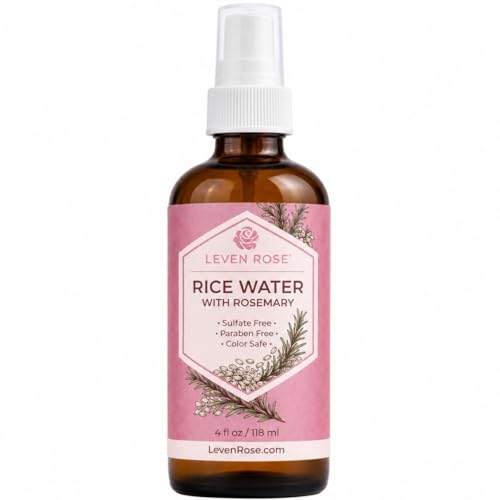
Rice water for hair growth in an easy spray: This lightweight scalp and hair spray combines fermented rice water with rosemary oil in a simple leave-in mist designed for consistent hair care routines.

100% Natural Rosemary & Rice Water Extract- Bare Anatomy Rosemary & Rice Water Hair Growth water spray is made with natural hair growth boosting, strengthening & conditioning ingredients like rosemary & rice water renowned for their benefits. This hair growth spray is a go-to root-to-tip solution for hair fall, hair thinning, frizz control, dry & brittle hair
2. Pattern by Tracee Ellis Ross Treatment Mask
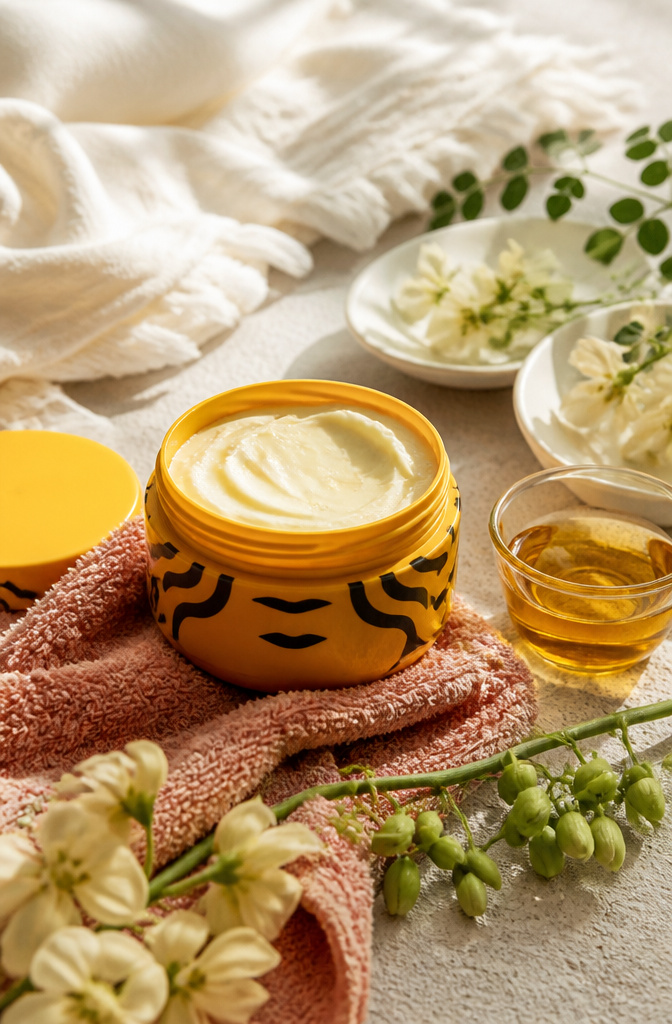
Pattern by Tracee Ellis Ross Treatment Mask lands at $25 and sits on the heavier end of the rice water spectrum, which is exactly where type 4 curls and coils tend to need it. The formula is custard-thick and built to deep-condition in about five minutes, using fermented rice water paired with moringa oil to do two jobs at once: seal moisture into the strand while it delivers the strengthening benefits that keep breakage down.
For hair that is already prone to dryness, this dual focus matters. Rice water alone can tip hair toward stiffness, especially on curls that need regular water intake to stay healthy. This mask balances the protein load with serious hydration, so you’re less likely to end up with that straw-like feel that sends people back to the shower for an emergency re-wash. It is a leave-in treatment, not a daily conditioner, and on thicker natural hair it reads as intensive rather than routine.

🌾 [97%+ Pure Fermented Rice Water for Hair Growth] Unlike many products that rely on purified water, our premium formula is crafted with over 97% pure fermented rice water and essential supportive ingredients for fermentation. This lightweight 100ml (3.4 fl oz) daily leave-on spray delivers deep, lasting nourishment, rich in inositol and amino acids, to strengthen brittle strands from the root and support natural hair growth. Made in South Korea with integrity.

STRENGTHENS AND REDUCES BREAKAGE: Infused with powerful nutrients, Bellisso’s rice water spray helps reinforce hair strands, making them more resilient to breakage. The protein rich formula in our rice and rosemary water improves elasticity, leaving hair stronger and less prone to split ends. With nourishing benefits, this rice water hair spray supports healthier, more flexible hair with every use.
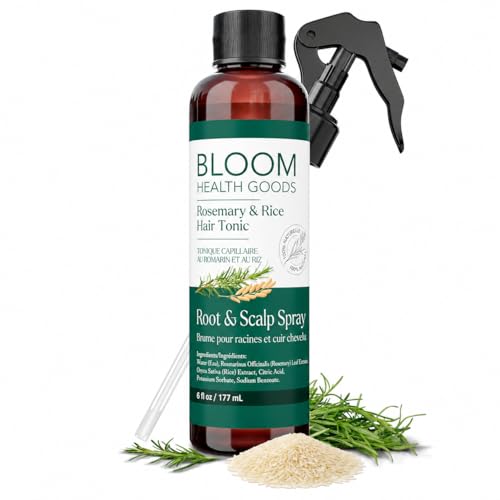
STRONGER, FULLER-LOOKING HAIR: A lightweight leave-in mist of hand-brewed rosemary and fermented rice water that helps strengthen strands, reduce breakage, and leave hair looking thicker, softer, and full of body — no rinsing required.
3. As I Am Rice Water Hair Spray
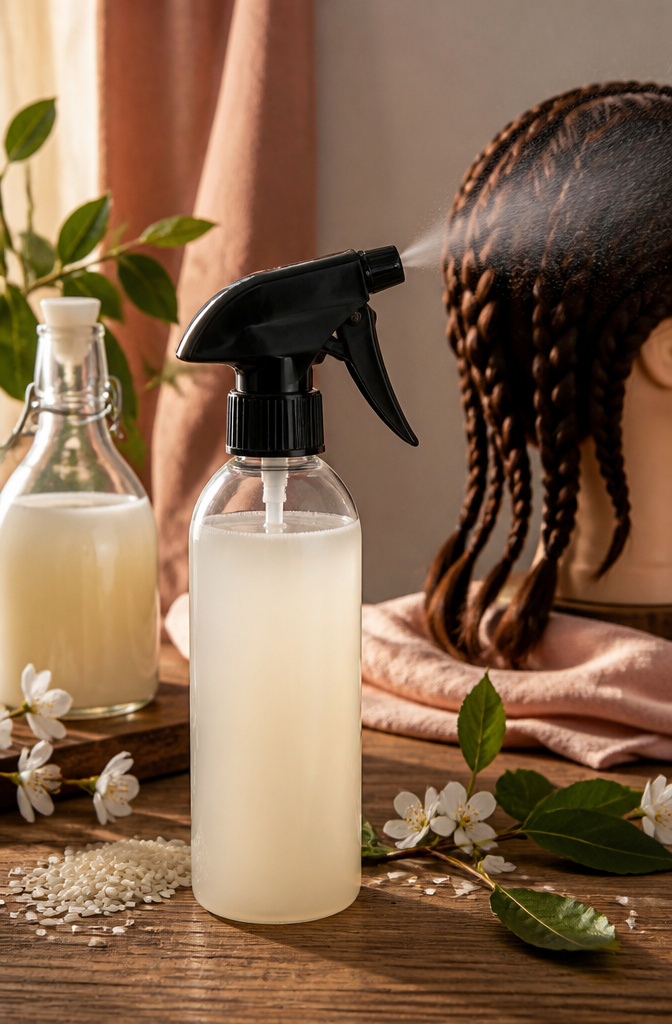
A leave-in spray is the easiest way to work rice water into a daily routine without the rinse-and-repeat commitment. As I Am makes one that hits the sweet spot for refresh days, the mornings when your hair needs a reset but a full wash is not on the schedule. The formula is lightweight enough that it will not weigh down fine strands or build up between shampoos, which matters more than people think with protein-adjacent ingredients. Rice water’s real benefit is reducing breakage so hair keeps the length it already has, rather than pushing new growth from the follicle. That distinction is worth keeping in mind so expectations stay grounded.
Rice water won’t cure hair loss, but it certainly has nourishing properties that’ll make the hair you currently have softer, shinier, and thicker-looking.
— Allure
What that means for you: the spray softens and smooths what is already there, which helps protective styles last longer and makes detangling less of a fight. For braids or twists especially, a quick mist can strengthen the scalp area without disturbing the install. The convenience factor is high, and the risk of protein overload stays low when you are using a commercial formula rather than a DIY batch where concentration is anyone’s guess.

CUSTOMER-LOVED CARE FOR DULL AREAS : Trusted by real customers for gentle care on underarms, elbows, and knees. Helps support smoother, healthier-looking skin with consistent use.

Rice Water Bright Formula: Infused with nutrient-rich rice extract that helps brighten dull skin and restore natural radiance while improving overall texture.
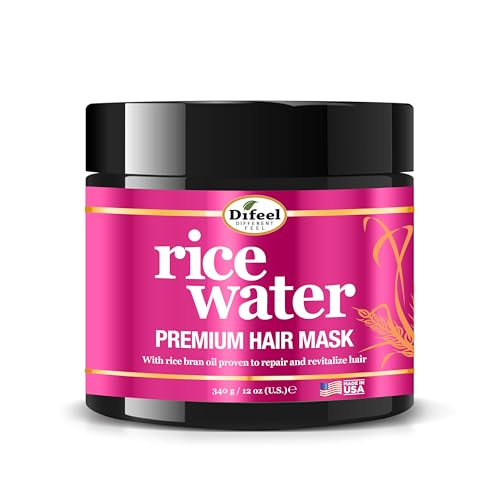
Hair Mask for Breakage and Damaged Hair - Introducing Difeel Rice Water Premium Hair Mask, a deep treatment mask designed to rejuvenate the scalp and promote healthy hair growth.
4. Mielle Rice Water and Aloe Vera Deep Conditioner
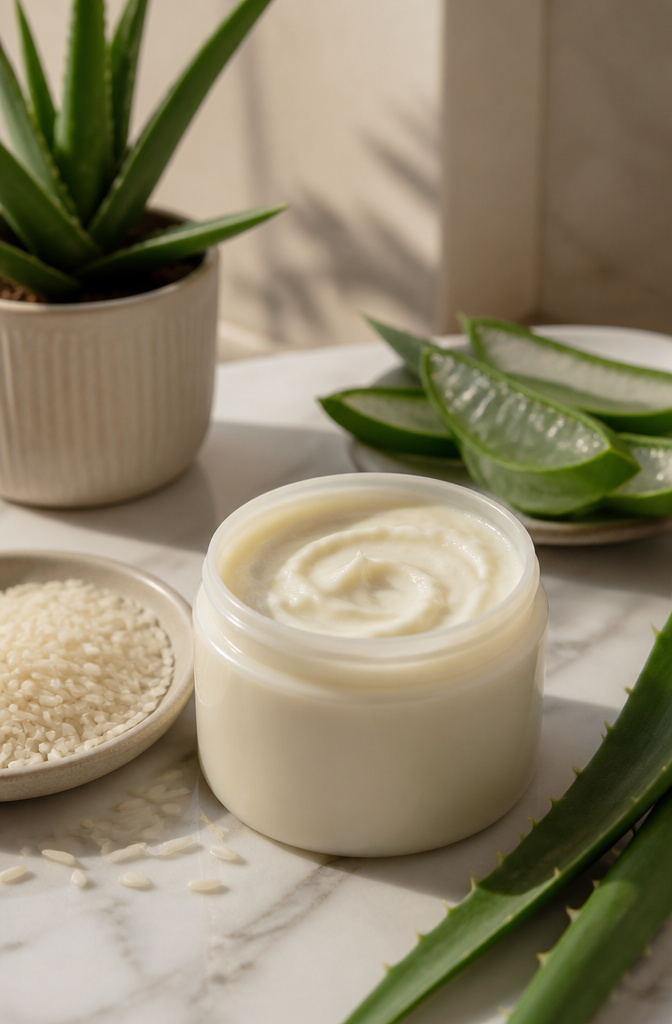
Mielle pairs fermented rice water with aloe vera in a deep conditioner that splits the difference between protein and moisture, which matters because rice water alone can leave some hair feeling stiff. The aloe acts as a humectant, drawing water back into the strand while the rice water strengthens it, so you get the growth support without the brittleness that pushes some people away from protein-heavy treatments.
This one has found its audience especially in textured hair communities, where the balance of slip and strength gets discussed in detail. The texture is thick enough to work through coily hair without dripping everywhere, and the rinse-out formula means you are not committing to a leave-in if your scalp runs oily. I have seen it recommended as a mid-week recovery treatment after protective styles come down, when hair needs both rebuilding and hydration at once.

Introducing Difeel Rice Leave-In Conditioning Spray, a lightweight, nourishing formula designed to strengthen hair and prevent breakage while rejuvenating the scalp to promote healthy hair growth. Strengthens hair: Fortifies strands to reduce breakage and enhance resilience. Strengthens and thickens: Enhances hair thickness and strength for a fuller appearance. An ideal leave in conditioner for dry frizzy hair.

Lightweight, strengthening, and hydrating spray

【Rice Water Scalp Nourishment & Growth Support】Powered by traditional rice water, biotin, caffeine, argan oil, and coconut oil, this hair growth shampoo and conditioner set helps nourish the scalp, strengthen weak strands, and reduce breakage. Rice water is naturally rich in amino acids, vitamins, and minerals that help improve hair resilience, support healthier-looking growth, and promote the appearance of fuller, thicker hair. Ideal for women and men experiencing thinning, shedding, weak roots, or damaged hair.
5. Kitsch Rice Water Hair Conditioner Bar
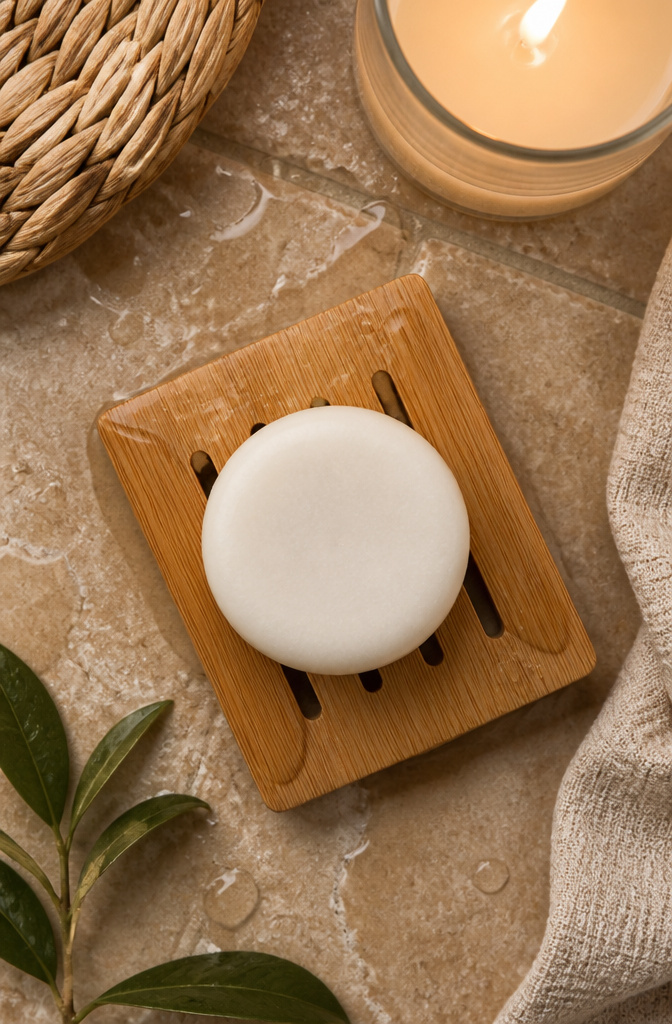
Solid bars are having a moment, and this one delivers rice water conditioning without the plastic bottle. The concentrated format means you’re getting the active ingredients packed down to almost nothing, which makes it a genuine low-waste swap rather than a compromise. I keep one stashed for travel because it won’t leak in a gym bag or get flagged at TSA, and it lasts longer than you’d expect since you only need a few swipes across wet hair.
The tradeoff is real, though. Bar conditioners take some adjusting: you have to work it between your palms first or rub it directly along your lengths, and the slip feels different from a creamy liquid. It rinses clean, but if your hair is very porous or tangle-prone, you might miss the instant detangling that a traditional mask gives you. For anyone already committed to a plastic-free routine, the learning curve is worth it. For the curious but not convinced, start with a shorter trip where packability matters more than your full shower setup.

THICKER, FULLER-LOOKING HAIR – Formulated with fermented rice water and pro-vitamin B5 to help hair appear visibly fuller while improving smoothness, shine, and overall texture for healthier-looking hair from the first uses.

Made with 100% natural rosemary and rice water extracts for a refreshing, plant-powered experience.

Rosemary and Rice Water Spray for Hair Growth: a lightweight leave-in mist of fermented rice water and rosemary oil, boosted with biotin, caffeine and keratin, so hair looks thicker, fuller and healthier with regular use. Spray, massage in, no rinsing.
6. Luseta Rice Water Hair Mask
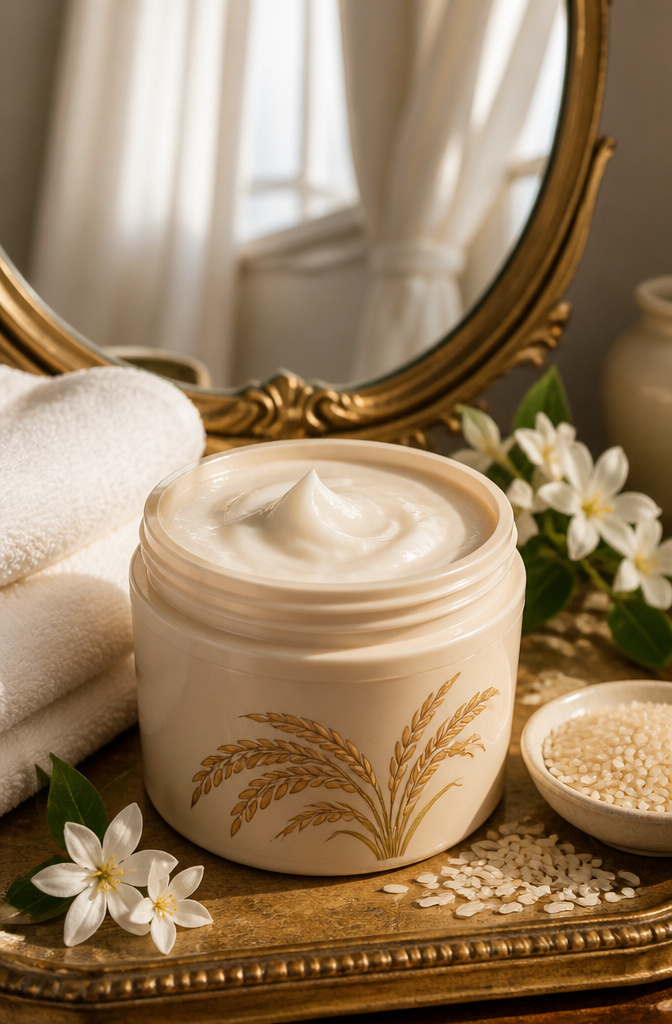
An intensive weekly treatment can make the difference between hair that holds length and hair that keeps breaking at the same spot. Luseta’s rice water hair mask sits in that slot nicely for anyone dealing with real damage, not just dryness.
The rice water concentration here is the selling point. You’re getting a heavy dose of inositol, that carbohydrate most of the research points to for actually binding to the shaft and staying put after rinsing. That matters because the goal is reducing friction so breakage stops outpacing growth. The mask also brings in panthenol as a humectant, which keeps the moisture balance from tipping toward that stiff, brittle feel protein overload causes.
For a routine, I’d use this once a week on breakage-prone hair, and I’d pair it with something lighter for daily conditioning rather than stacking heavy treatments. If your hair is already snapping off with every detangling session, this is where you put your money instead of hoping a rinse-out conditioner will do structural repair.

Promotes Healthy Hair Growth – This rice water spray is packed with essential ingredients like rosemary water, known to stimulate the scalp, support rice water for hair...
7. Not Your Mother’s Naturals Rice Water and Himalayan Moringa Conditioner
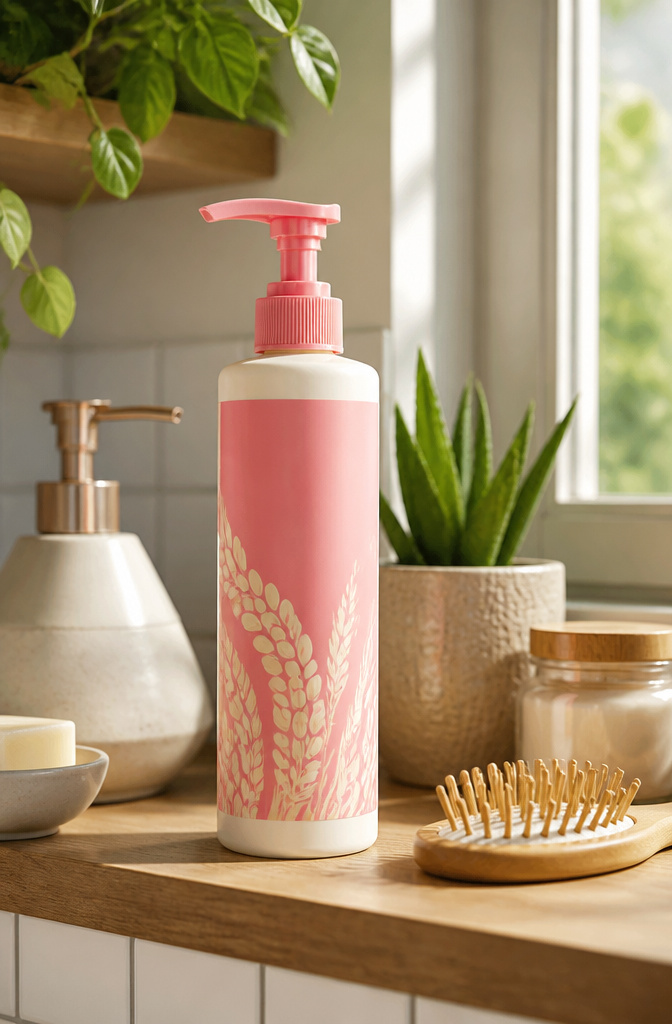
Not Your Mother’s pairs rice water with Himalayan moringa in a formula that hits a drugstore price point without skimping on the good stuff. The moringa brings its own antioxidant benefits alongside the inositol and amino acids you are already getting from the rice water, so you are essentially covering two bases in one rinse.
I have found that combination products like this save time on wash day when layering separate treatments feels like too much effort. The moringa oils work with the rice water to soften strands and add gloss, which matters if your hair is prone to looking dull or feeling rough. It is a multitasking protein rinse, not a heavy mask, so it fits easily into a regular routine without the wait time some deeper conditioners demand.
For anyone testing whether rice water actually works for their growth goals, this is a low-commitment entry point. You are not sinking salon-level money into something you might use twice and abandon. The accessibility is the real selling point here; you can find it in most drugstores and gauge your hair’s response before moving up to pricier options if you even need to.

FERMENTED RICE WATER - Inspired by the centuries-old Yao tradition, fermented rice water helps strengthen the look and feel of hair

97% Fermented Rice Water – Inspired by ancient traditions, promotes softer, more manageable hair.

One 33.8-ounce bottle of Tonic Water
8. Briogeo Rice Water Protein and Moisture Strengthening Treatment
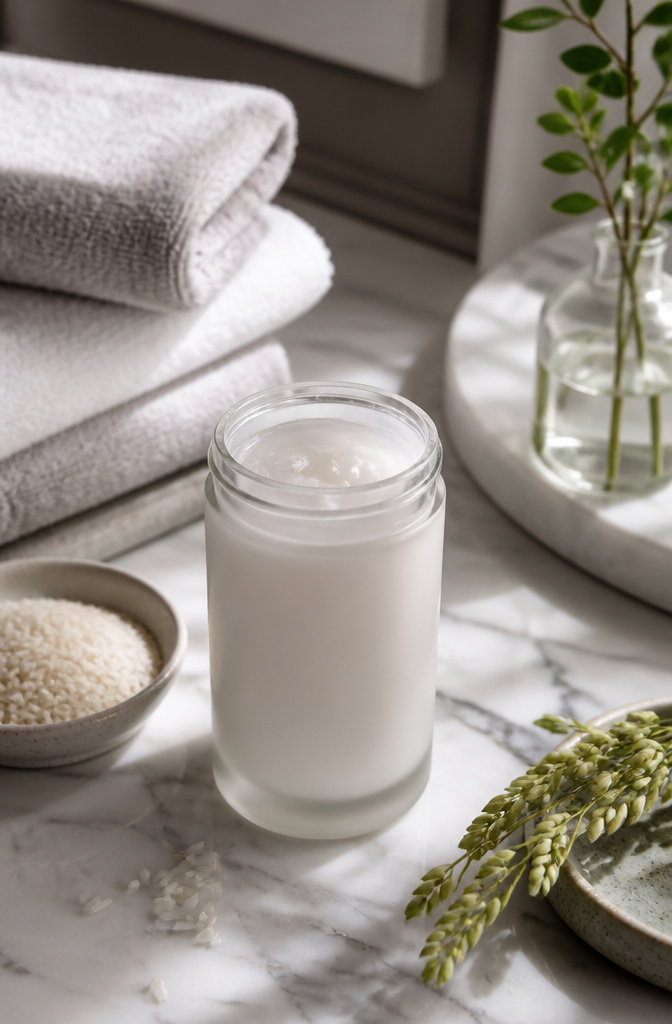
Briogeo’s Rice Water Protein + Moisture Strengthening Treatment runs $44 at Nordstrom and Ulta Beauty, and the price makes more sense once you see what it is actually solving. Rice water is protein-heavy by nature, which is why so many people overdo it and end up with straw-like, brittle hair that snaps instead of grows. This formula pairs rice water protein with sodium PCA and glycerin so the moisture arrives in the same application, not as a separate step you might skip.
The brand’s clean beauty positioning means the ingredient list gets scrutiny it would not face from a conventional line, and the dual-action design matters most for low-porosity or naturally healthy hair where the cuticle is already tight. That hair type tolerates protein poorly and shows overload fastest: stiffness, dryness, fragility. Use it weekly, not every wash, and treat it as your protein hit rather than layering additional protein treatments on top. High-porosity or damaged hair can handle more frequent protein, but this product still saves you from having to chase moisture separately afterward. Allure’s news editor has reported on it specifically for tired, damaged hair that needs conditioning without the weight that drags fine strands flat.

[OUR BRAND] HOSHISU brings you authentic Japanese skincare, thoughtfully repackaged and translated for North American use — with clear labeling and full compliance you can trust.

Care for Damaged Hair: Our rice water hair mask is formulated to help improve the appearance of split ends and support hair elasticity, leaving strands feeling smooth. Suitable for all hair types.

A thick sheet mask containing plenty of beauty essence, sticks closely to your skin.
9. Viori Hair Shampoo Bar
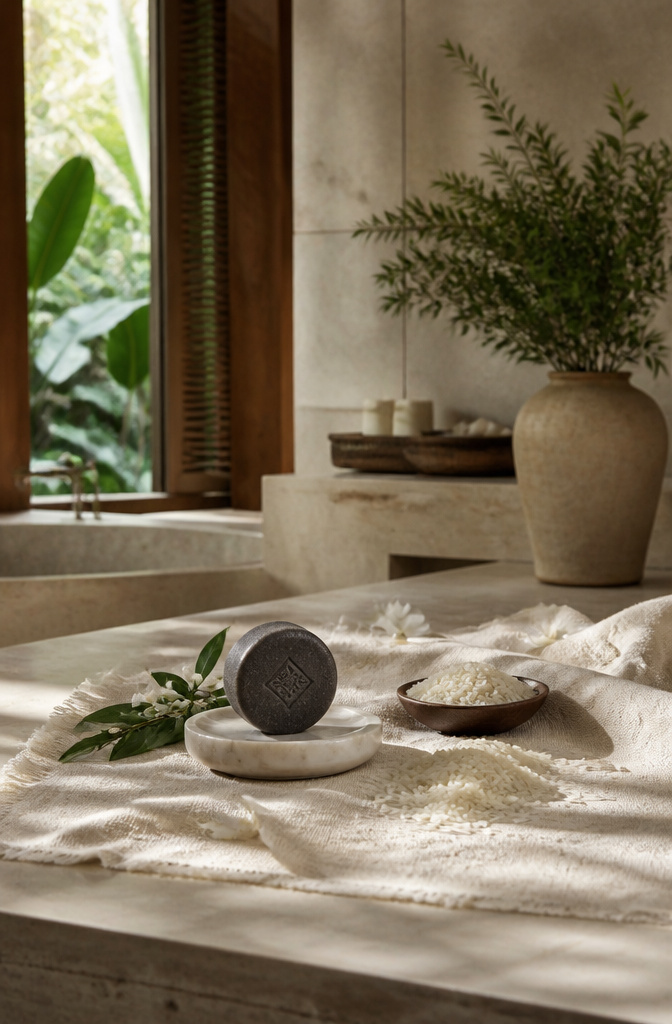
The Viori shampoo bar draws directly from the Red Yao women of China’s Longsheng mountains, who have kept their hair care ritual alive for nearly 2,000 years. These women cultivate a specific high-starch short-grain rice on terraced gardens, then ferment it over several days in a process passed from mother to daughter. The resulting rice water is what they credit for hair that stays jet-black and strong well past their later years, with some sources noting lengths averaging around six feet.
The brand bottles that tradition into a solid bar format, which I find appealing if you’re trying to cut down on plastic in your routine. The rice water itself supplies amino proteins, B vitamins, and minerals that cosmetic scientists say can reduce surface friction and improve strand elasticity. That strengthening effect comes from supporting the inner cortex where your hair’s protein lives.
For me, the deciding factor here is whether the storytelling translates into real formulation discipline. A bar inspired by ancient practice can still fall short if the fermentation step gets abbreviated for factory scale. Check that the ingredient list still puts rice water front and center rather than treating it as a marketing footnote.

Moisturizes hair up to 29%.

Nourishing & hydrating hair growth spray - Our rice water spray is specially formulated with vitamin-rich ingredients including rose water, and aloe vera to quickly help nourish, grow, detangle and hydrate your hair.

ESSENTIALS RESTORATION - The olive oil leave-in conditioner moisturizes and restores the properties of the hair root to revitalize your hair and keep it moisturized.
10. Mamaearth Rice Water Shampoo
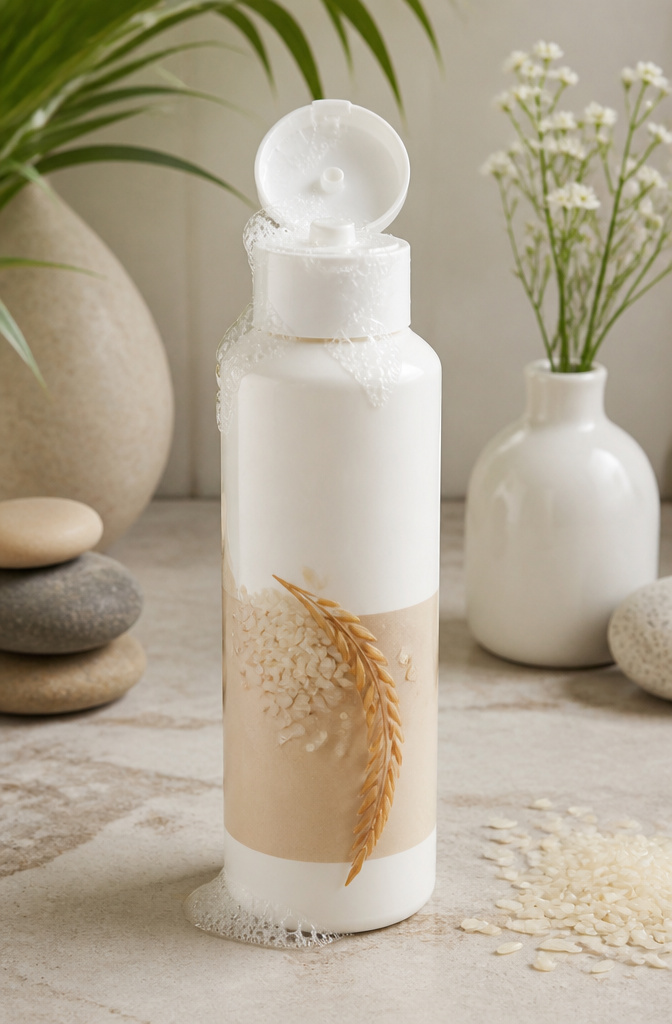
Mamaearth’s rice water shampoo sits at a different spot on the shelf than most of the products on this list. Mild surfactants do the cleaning here, not the harsher detergents that strip every trace of oil and leave sensitive scalps flaking by Wednesday. The formula skips parabens and SLS entirely, which matters if you’re washing a child’s hair or your own skin reacts to the usual drugstore suspects.
The tradeoff is real, though. Minimal lather and weak oil removal mean this won’t cut through heavy coconut-oil treatments or days of dry shampoo buildup. You’ll want something stronger for that, or you’ll need to shampoo twice and accept the extra time.
Where it earns its place is in daily rotation. Hair softens and breaks less with regular use, and manageability improves enough that I notice fewer tangles when I’m working a comb through wet strands. At ₹297, the price lands low enough that buying a second clarifying shampoo for weekly deep-cleaning doesn’t feel extravagant.

ROSEMARY WATER & ROSEMARY HAIR OIL FOR HAIR GROWTH: Feel the difference after using our Rosemary Root Enhancer. If there's any concern about hair loss, our scalp spray is the perfect scalp treatment and Rosemary water for hair growth spray and prevent hair loss.

🌾 ROSEMARY & RICE WATER SPRAY FOR HAIR GROWTH – Our fermented rice water for hair growth targets follicles directly, reducing shedding while rosemary extract boosts scalp circulation for visibly thicker, longer strands.

【Grow,Strengthen,Replenish,Repair,Prevent Hair Loss, and Shine Hair】Our black rice & rosemary water spray features a premium blend of rosemary, rice water, and biotin to strengthen roots, replenish moisture, regenerate and thicken hair follicles, promoting hair growth and leaving your hair soft, smooth, moisturized, and enhancing its natural shine.Our hair thickening spray works for both men and women,for all hair types,including dry damaged,thinning,color-treated,curly,frizz,wavy,and fine hair.
What Rice Water Actually Does for Hair
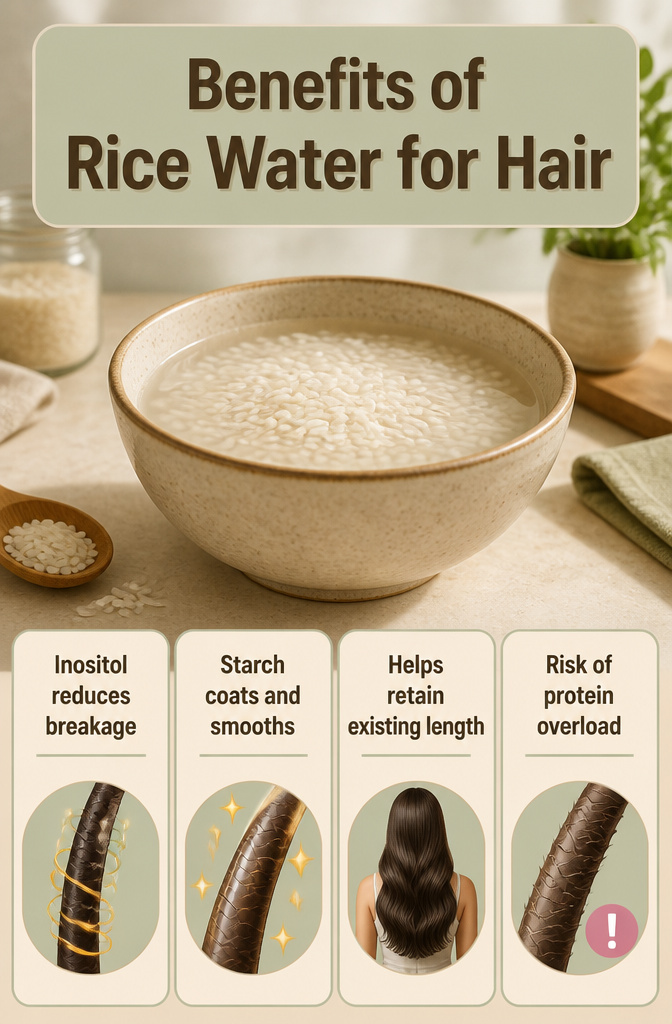
Rice water is the starchy liquid left after soaking or boiling rice, and it carries most of the grain’s nutritional payload: amino acids, B and E vitamins, minerals like magnesium, manganese, and zinc, plus fiber. The star player is inositol, a carbohydrate that binds to the hair shaft and stays put even after rinsing. That lingering presence matters because it reduces surface friction between strands, which directly translates to less breakage when you comb, brush, or style.
The starch itself acts like a lightweight conditioner, coating the cuticle to smooth frizz and add shine. Your hair looks thicker because the starch plumps the strand temporarily, not because new growth is sprouting faster. The honest read on "hair growth" claims is this: rice water helps you retain length you already have rather than accelerating how quickly hair emerges from the follicle. If your ends snap off at the same rate your roots produce, you stay stuck at one length no matter how fast the biology works.
Protein overload is the real risk with overuse. Rice-derived proteins strengthen damaged strands, but too much leaves hair stiff, dry, and brittle. Frequency beats quantity here; a heavy hand does not speed up benefits, it just pushes toward the breaking point you were trying to avoid.
How to Use Rice Water Products
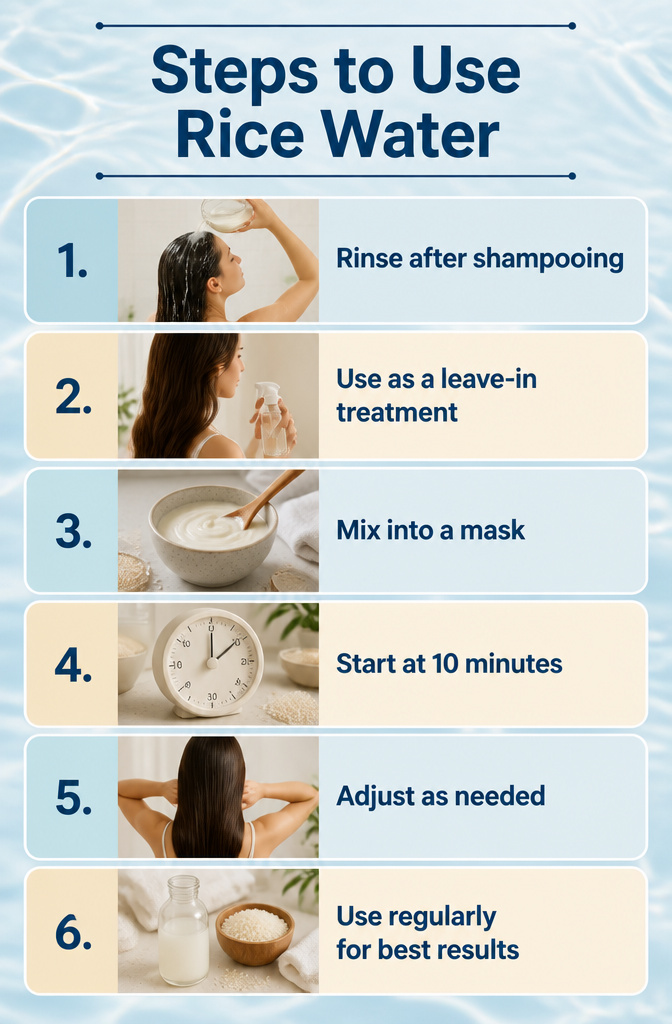
Rice water fits into a routine in three main ways, and the product format you choose decides which one works best.
1. Rinse after shampooing. Wash your hair, then pour the rice water straight onto your scalp and strands. Massage it in well and let it sit for up to 20 minutes before rinsing with warm water. A ready-made rinse or a liquid concentrate mixes easily with water for this step.
2. Leave-in treatment. Some sprays and lightweight serums are meant to stay in. Spray or smooth through damp hair after washing, then style as usual. These work best for finer hair that gets weighed down by heavier masks.
3. Mixed into a mask. Thicker creams and masks blend with other ingredients if you want to customize. Leave these on longer, anywhere from 20 minutes to a full hour, then rinse thoroughly. Thick or coarse hair usually drinks this up in one go; thinner hair might get two uses from the same amount.
The timing really depends on what your hair tolerates. Start at 10 minutes if you are unsure, and build up from there.
Rice Types and Why They Matter
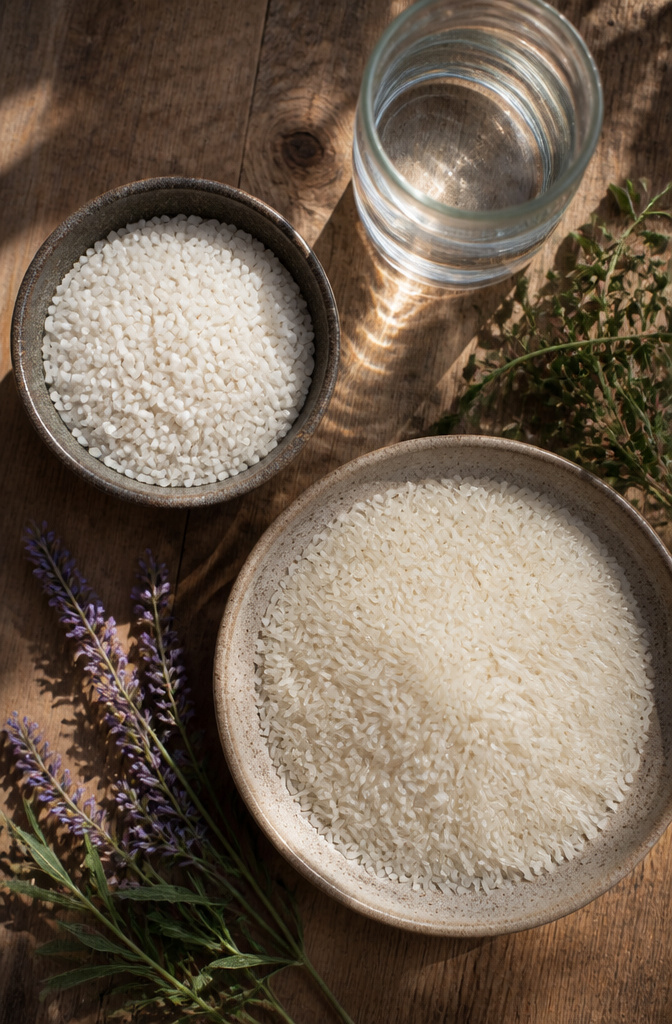
Short-grain rice and jasmine rice sit at the top of the list for one practical reason: their starch content runs 70–90%, which means more of the compounds that coat and strengthen hair actually make it into the water. The higher that starch concentration, the richer the final rinse in amino acids, vitamins, and minerals.
Not all rice behaves the same way in soak or ferment. Different varieties release nutrients at different rates, so the rice you start with directly changes what ends up in your bottle or bowl. A low-starch long-grain might produce a thin, nearly clear liquid with little left to deposit on the hair shaft. The short-grain alternative gives you that starchy, almost milky base that sources describe as the starting point for smoothing the cuticle and adding body.
If you are buying rice to make your own, the grain type is the single variable worth checking before anything else.
How Often to Treat Your Hair
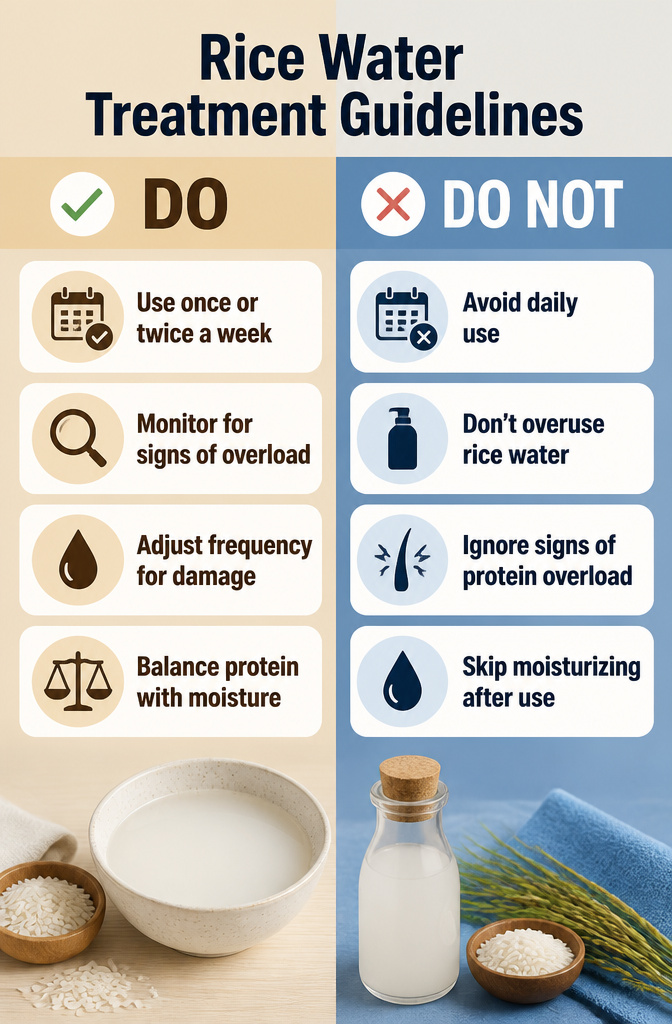
Most hair types do best with rice water once or twice a week, treating it like a protein treatment rather than a daily rinse. The amino acids and rice-derived proteins that strengthen strands can backfire when they build up too fast. Overuse pushes hair into protein overload, a state where the shaft turns stiff, dry, and brittle enough to snap under normal handling.
The warning signs show up in how your hair feels, not how it looks. If your ends stop bending and start cracking, or if your usual conditioner suddenly seems to sit on top of the strand instead of soaking in, you’ve likely crossed that line. Low-porosity hair, which doesn’t absorb product easily, tends to hit this wall faster.
Hair that is already dry or damaged can tolerate rice water more often, while healthy, protein-sensitive strands may need to space treatments to every other wash day. The balance comes from pairing protein with moisture, not from chasing more frequent applications.
Frequently Asked Questions
What are the benefits of rice water for hair?
Rice water strengthens strands, smooths frizz, and adds shine by coating the cuticle with starch. Its star ingredient, inositol, binds to the hair shaft and stays put after rinsing, which reduces surface friction and breakage during combing or styling. Hair looks thicker because the starch plumps each strand temporarily, not because growth speeds up from the root.
How do you make rice water for hair?
You can make rice water by soaking or boiling rice and collecting the starchy liquid that remains. Short-grain and jasmine rice work best because their starch content runs 70–90%, producing the milky, nutrient-rich base that actually deposits on the hair shaft. If the water looks nearly clear, you are likely using a low-starch long-grain variety with little benefit to offer.
How often should you use rice water on your hair?
Use rice water once or twice a week, treating it as a protein treatment rather than a daily step. Overuse pushes hair into protein overload, where strands turn stiff, dry, and brittle enough to snap. Low-porosity hair hits this wall fastest, while dry or damaged hair may tolerate slightly more frequent application if you pair it with moisture.
Can rice water help with hair growth?
Rice water does not stimulate new growth from the follicle or make hair grow faster. What it does is reduce breakage and surface friction, which helps you retain the length you already have rather than losing it at the ends. If your hair snaps off at the same rate your roots produce, you stay stuck at one length no matter how healthy the biology is up top.