Chocolate brown hair color ideas span from near-black depth to sunlit warmth, but the undertone hidden inside each shade is what actually flatters your skin. Get it wrong and even a rich single-process color reads tired against your complexion. Ashy chocolate demands blue shampoo to kill brass at the roots, while rose gold highlights start fading to blonde within weeks and need a salon gloss every month to survive. Dark chocolate is the safest entry point, growing out softly and forgiving most skin tones without the maintenance load of lighter, balayaged options.
1. Dark Chocolate Brown
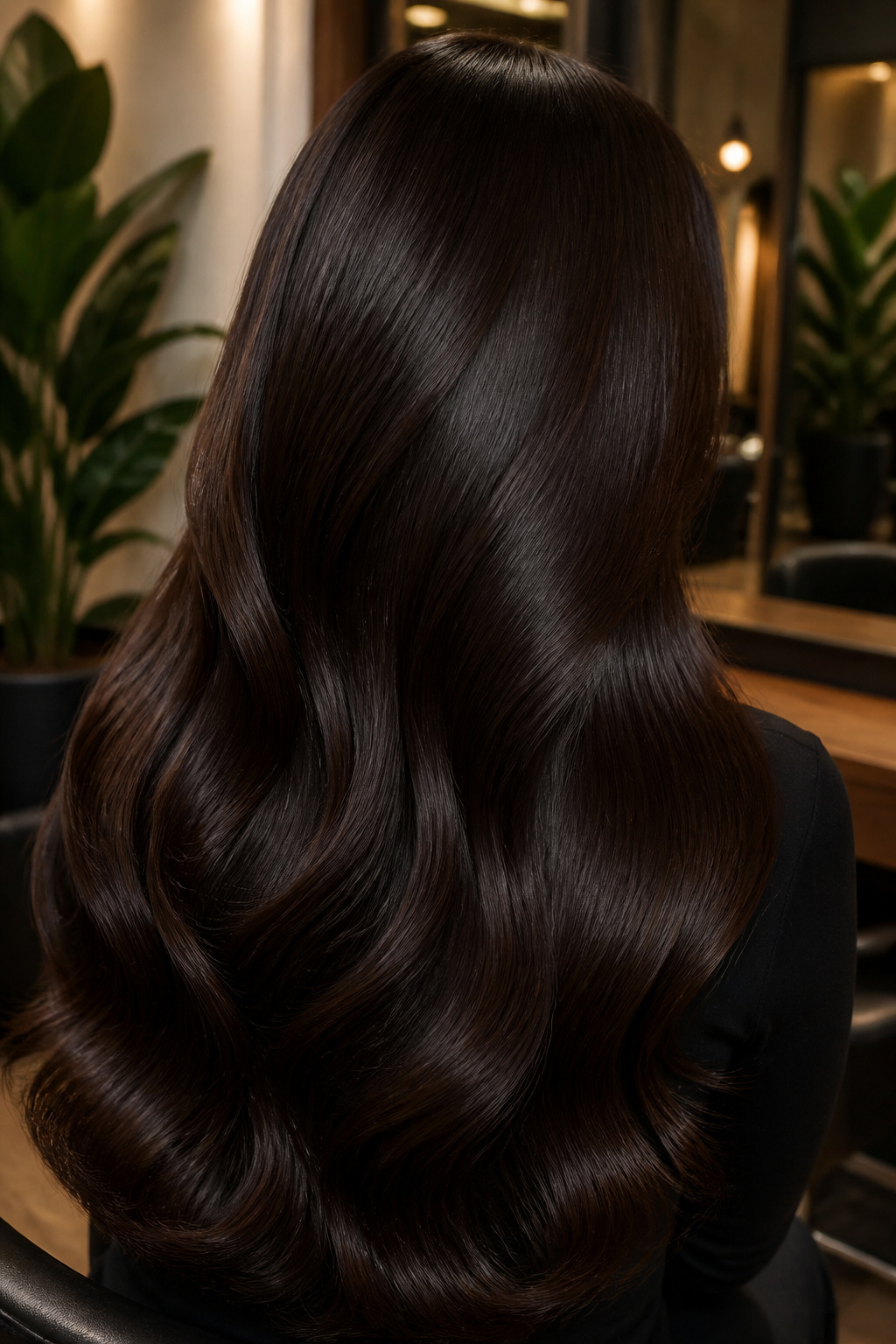
Dark chocolate brown sits at the deepest end of the chocolate spectrum, reading almost black in low light and warming to a rich brown wherever the sun catches it. That near-black depth is what makes it the most forgiving shade for almost every skin tone, and it grows out so softly that salon visits stretch further apart than with any lighter chocolate variation.
The trick is keeping it from going flat. Right now the "liquid brunette" trend is all about high shine, and that gloss is exactly what separates expensive-looking dark chocolate from something dull and one-dimensional. A solid coat of color works here, but it needs luminosity. Ask your colorist for a formula that builds in reflection, or plan on a glossing treatment between color appointments. The shine does the heavy lifting.

Nothing Covers Gray Better: Excellence Crème is a Triple Care Color routine that deeply cares for your hair and covers 100% of grays, even stubborn ones. Hair color for gray hair coverage is formulated with Hyaluronic Acid to protect hair as it colors

100% Gray Coverage & Rich, Vibrant Permanent Color: Our permanent hair color lasts up to 8 weeks and covers salt-and-pepper grays beautifully. See best results with starting hair color that is within 2 shades of the target color

100% Gray Coverage & Rich, Vibrant Permanent Color: Our permanent hair color lasts up to 8 weeks and covers salt-and-pepper grays beautifully. See best results with starting hair color that is within 2 shades of the target color
2. Light Chocolate Brown
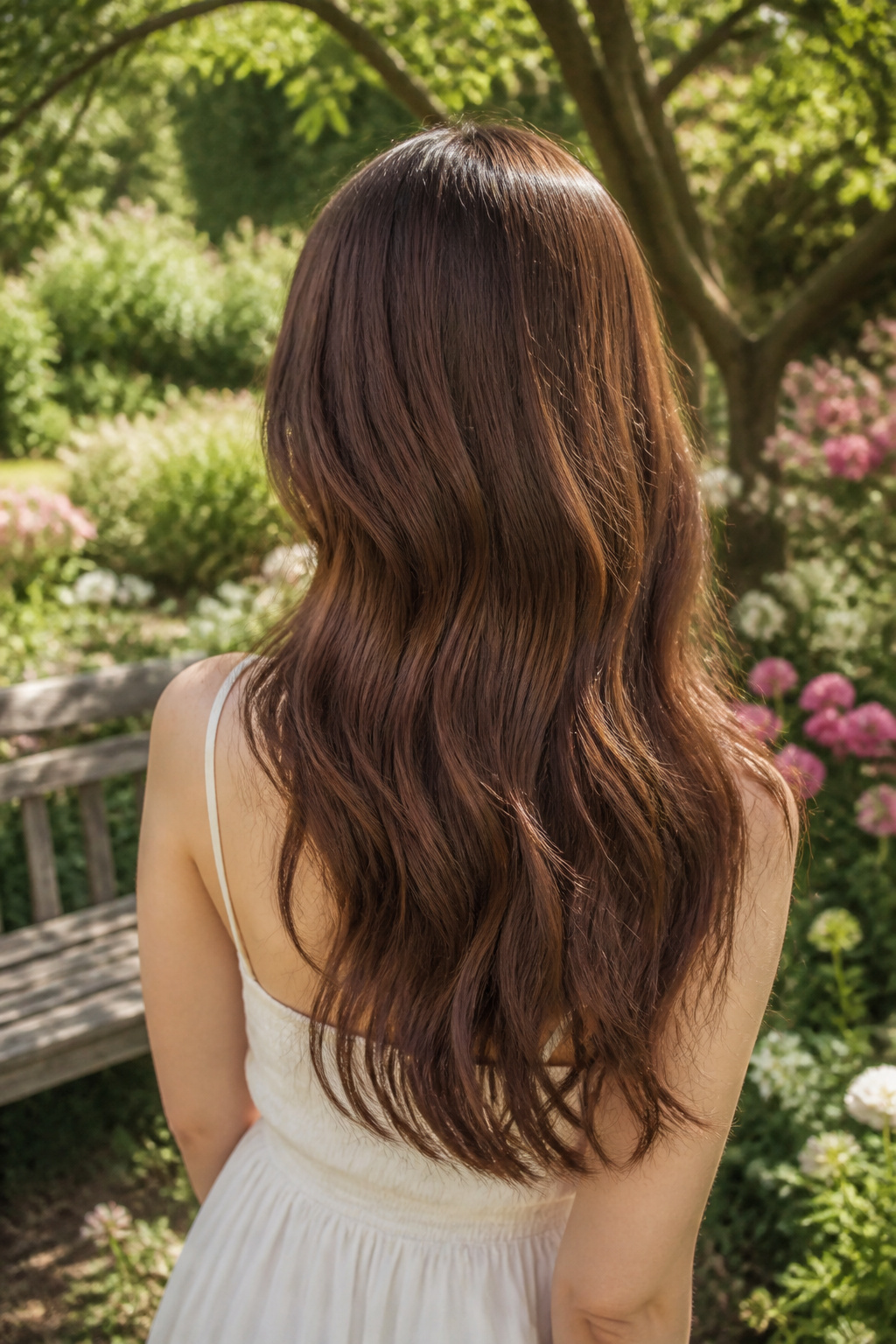
Light chocolate brown sits right in that sweet spot between brunette and dark blonde, like milk chocolate melted into something soft and warm. It is brighter and softer than most chocolate hues, which makes it especially flattering for fairer skin tones and anyone who finds darker shades a bit heavy.
This tone works as a gentle transition if you are moving from blonde or caramel into deeper brunette territory. The subtle lightness gives hair a beautiful shine and a healthy look without the maintenance load of full highlights. It is essentially a bronde, a brown-blonde mix that carries sun-dappled, warm tones and feels summery year-round.
For blondes going darker, this is the least jarring entry point. For brunettes wanting lift without committing to highlights, it adds that bit of brightness while keeping everything low-commitment. Your stylist can recreate it with bond-strengthening lightening formulas that lift several levels while keeping breakage minimal and brassy yellow tones out of the picture.

Nothing Covers Gray Better: Excellence Crème is a Triple Care Color routine that deeply cares for your hair and covers 100% of grays, even stubborn ones. Hair color for gray hair coverage is formulated with Hyaluronic Acid to protect hair as it colors
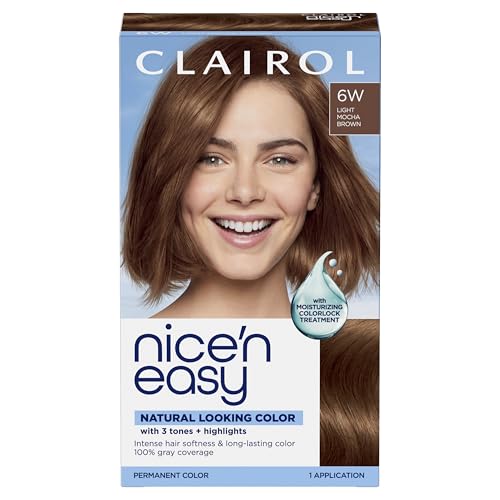
Clairol Nice'n Easy 6W Light Mocha Brown. Permanent natural looking color with 100% gray coverage.

Superior Preference Permanent Hair Dye Kit: For gorgeous, fade-defying hair color with dimension, look no further; We pair our gel hair dye formula with Care Supreme Conditioner with Shine Serum to help maintain color vibrancy and provide silk and shine
3. Chocolate Cherry
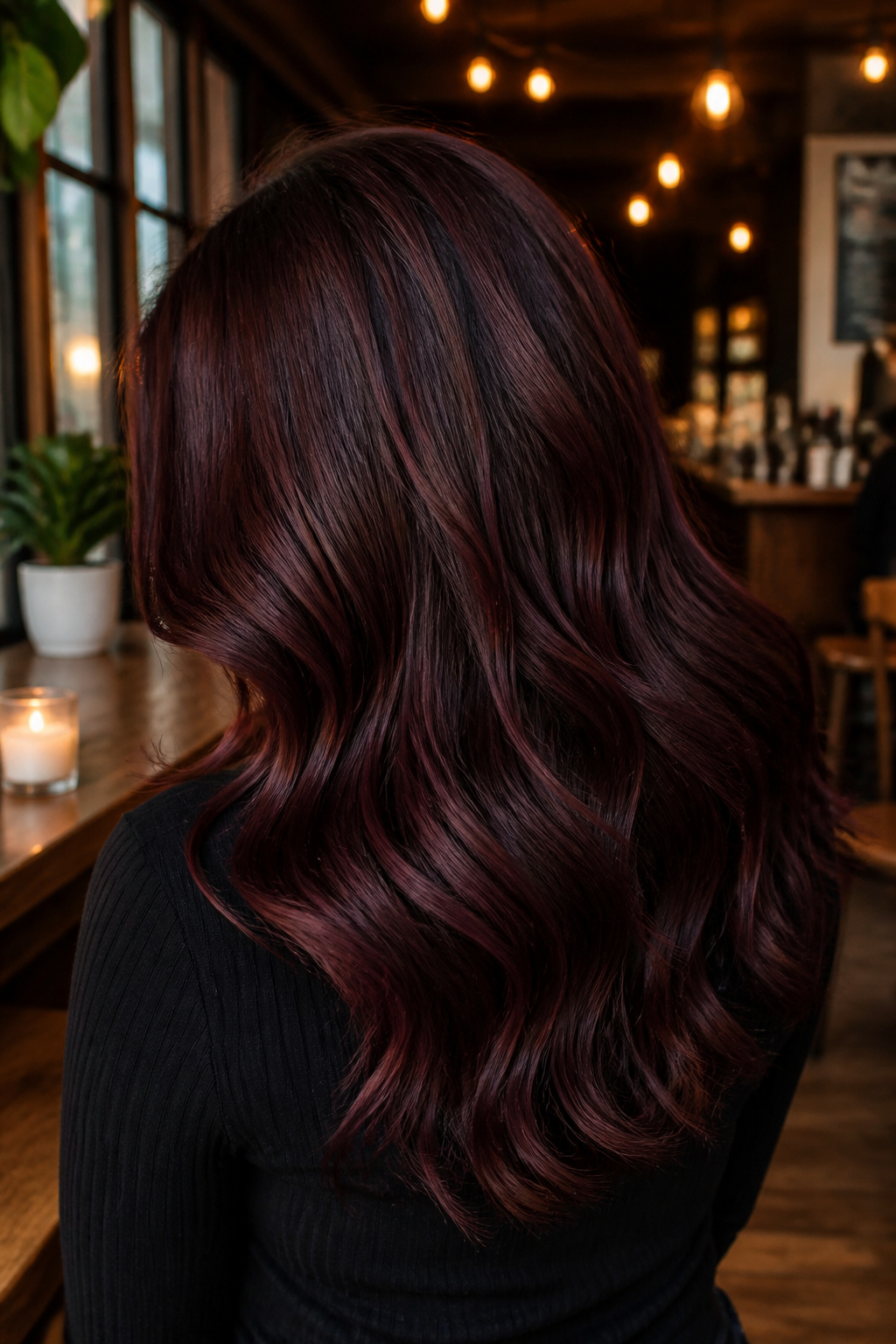
Red undertones running through a chocolate brown base give this shade its split personality. Step outside and the light pulls out burgundy ribbons you didn’t know were there; move indoors and it settles into something quieter, just a subtle warmth that keeps the brown from going flat. That shift is why it is one of the shades showing up most right now.
Cool skin tones can wear it if the red stays muted and buried, more suggestion than statement. Warm skin tones have more room to play, and can push the red brighter without it fighting the complexion. The sources lean toward this being a safer bet for warmth, but I have seen enough cooler faces pull it off by keeping the cherry understated to call that a preference, not a rule. Fair to medium complexions get the most obvious payoff, though the deeper, moodier versions can stand up against dark skin just as well.

Feria Is Multi-Faceted Permanent Hair Color: Known for shimmering color and edgy colors, Feria permanent hair dye kits transform hair from blah to brilliant; The Power Shimmer Feria Conditioner seals and smooths for lasting bold color that will turn heads

Multi-Faceted Permanent Hair Color: Known for shimmering and edgy colors, Feria permanent hair dye kits transform hair from blah to brilliant; Our multi-faceted shimmering hair dye with 3X highlights delivers intensified, brilliant results. Pack of 2

NO AMMONIA HAIR COLOR: Our dermatologist-tested, caring hair color without ammonia is free from PPD & PTD, & tested to be non-irritating to the skin with its silicone-free formula
4. Chocolate Caramel Balayage
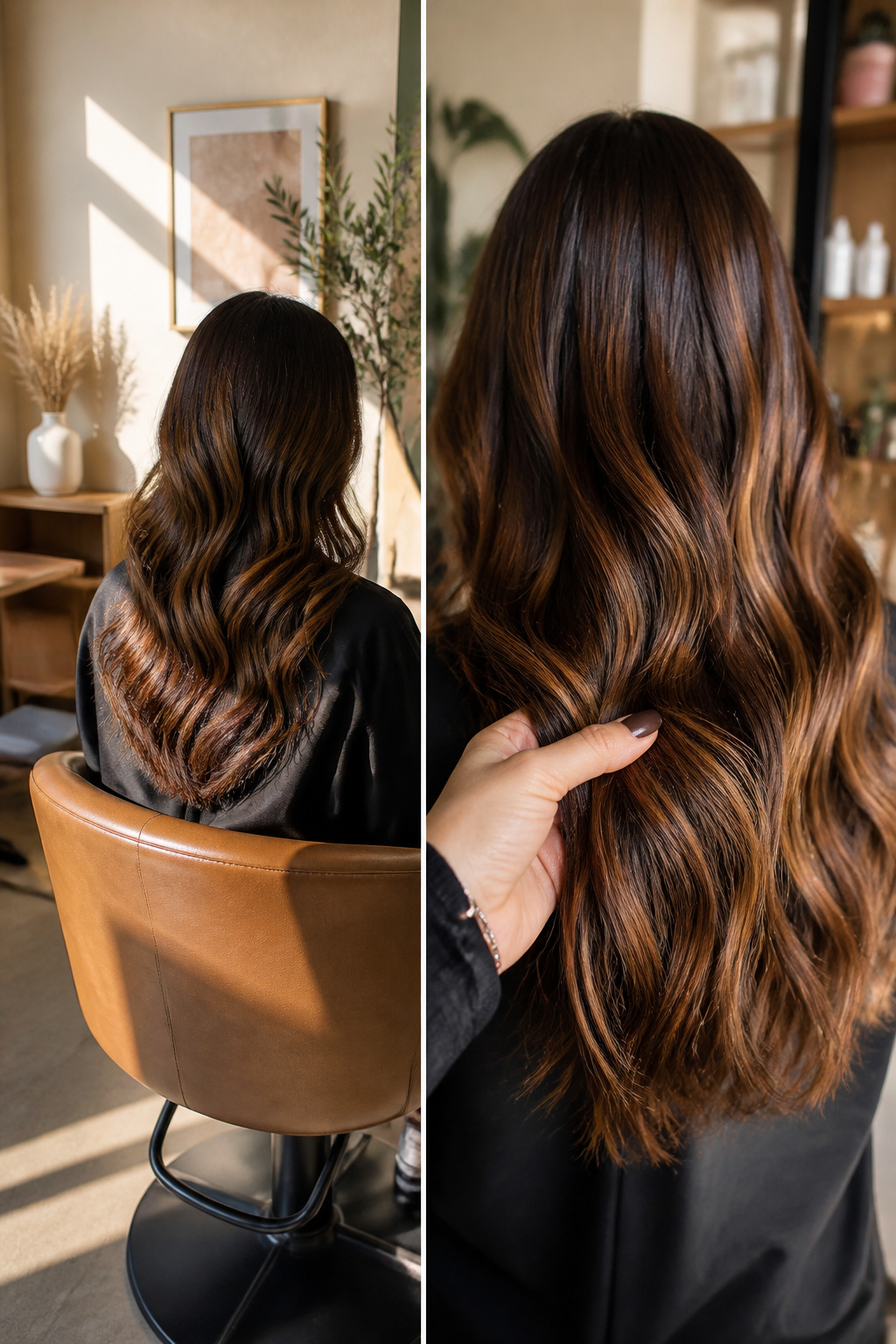
Hand-painted caramel pieces start around mid-shaft and grow heavier toward the ends, melting into the chocolate brown base like actual dessert. The balayage technique keeps everything soft, so there’s no harsh grow-out line to fight with three months later. That freedom comes at a price. Single-process color usually runs $70–$100, while this hand-painted work lands closer to $150–$200. You’re paying for the time and the eye, not just the dye. I think the extra cost makes sense if you stretch appointments to four or five months instead of the usual six to eight weeks for all-over color. The maintenance is lighter even if the upfront bill stings.
Nothing Covers Gray Better: Excellence Crème is a Triple Care Color routine that deeply cares for your hair and covers 100% of grays, even stubborn ones. Hair color for gray hair coverage is formulated with Hyaluronic Acid to protect hair as it colors

L'Oreal Paris Excellence Cool Supreme hair color offers 100 percent gray coverage, even on stubborn grays

Find Your Superior Preference Signature: Our new and improved Superior Preference Permanent Hair Color creates rich, luminous, fade-defying hair color for gray hair coverage, radiance and conditioning for up to 9 weeks. Suitable for all hair types
5. Mocha Chocolate
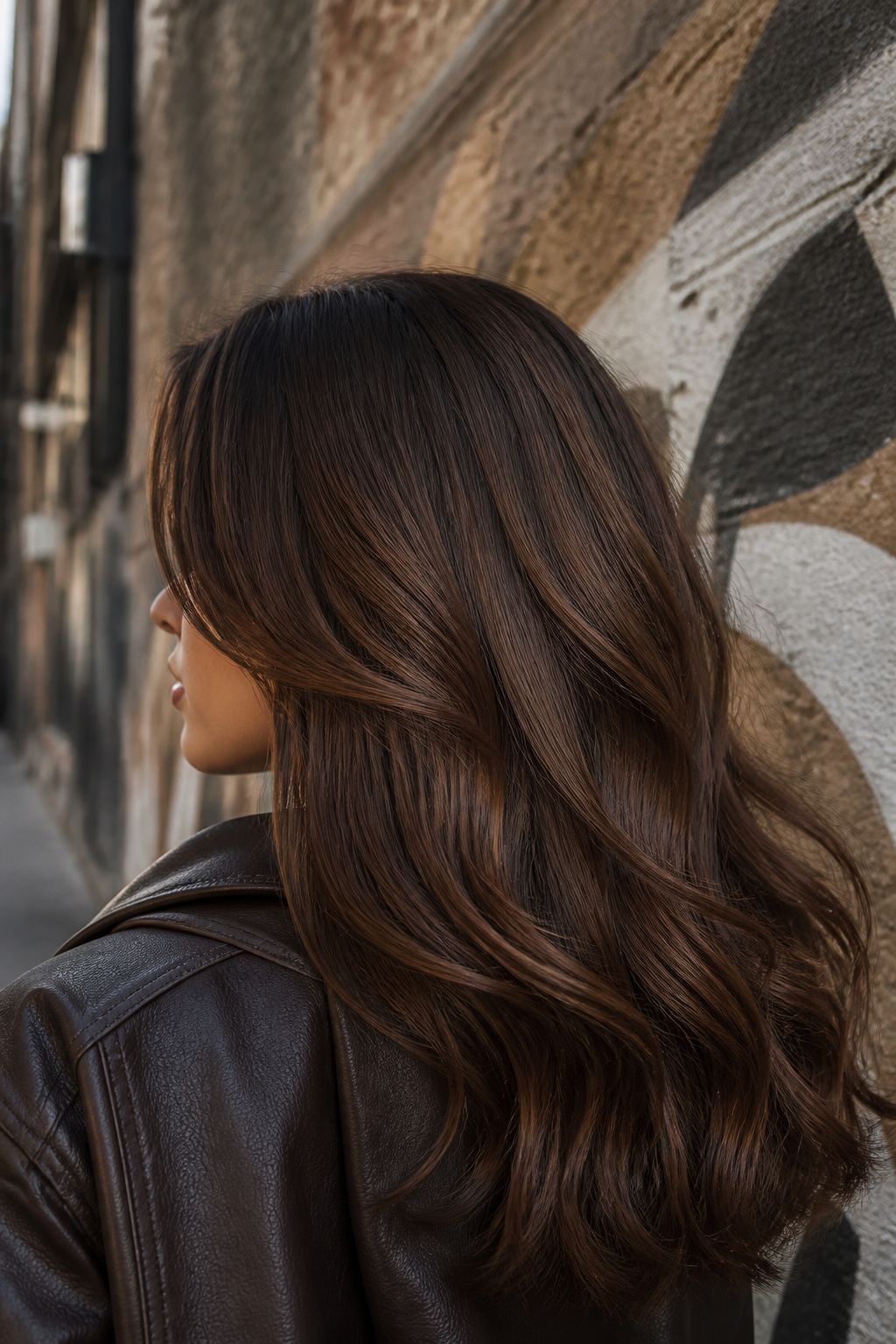
Mocha chocolate sits right in the middle of the brown spectrum, where the warmth of coffee meets a splash of cream to cool things down. It carries less red than classic chocolate brown but stops short of the flat ash you get with truly cool browns. That neutral-to-cool undertone is what makes people stop and ask if you have subtle highlights when your color is actually one solid shade.
Medium skin tones that read olive or neutral wear this especially well. The balance of the shade mirrors the balance in those complexions instead of fighting against them. If your skin pulls neither obviously warm nor obviously cool, mocha chocolate tends to read as intentional and expensive rather than as a color that happened to you.
You can play with depth here without losing the character of the shade. A darker mocha lands striking and dramatic, while a slightly lighter variation softens the whole look. Either way, the coffee-with-cream base stays the recognizable thing, which is why this shade works as a first experiment into chocolate brown territory. It is warm enough to feel like brunette, restrained enough to avoid the red or gold overload that scares some people off.

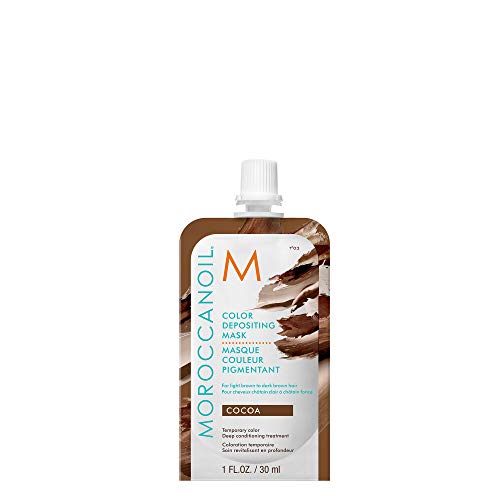
Rich treatment benefits
Rich treatment benefits

Deposits soft, luminous rose gold tone: Color-depositing mask that adds a subtle but visible rose gold veil to color treated hair, perfect for refreshing existing rose gold or creating a new rosé effect.
6. Purple Chocolate
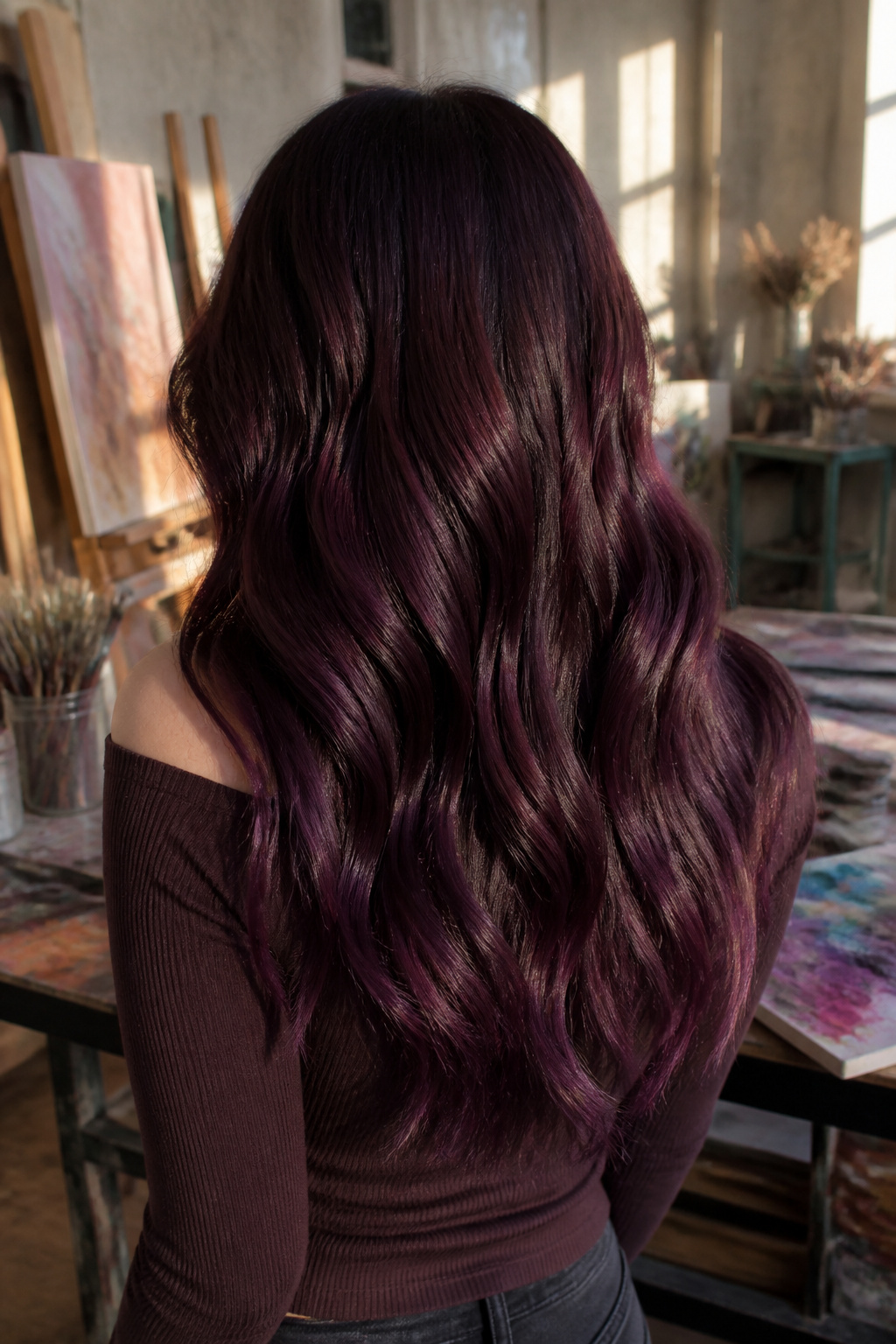
Violet undertones in chocolate brown read as deep plum in direct sun but stay quiet enough indoors that you won’t feel like you walked out of a fantasy novel. The purple stays subtle under most lighting, which is why this shade works better than you’d expect for everyday wear.
It fades to a cooler brown rather than brassy, and that cooler fade is a big part of its appeal. You can ask your stylist to weave in hints of violet, dark purple, or dusty mauve, or layer a violet glaze over your existing brunette if you want to test the look without a long-term commitment. Fair to medium skin tones carry it especially well.

#1 FOAM HAIR COLOR - Precision Foam hair dye isn’t your average hair color, it has an amazing thick, non-drip (no mess!) application to prevent messy drips and unwanted patches

UNSTOPPABLE VIBRANCY TrueColorSeal Technology locks in color to help protect against water-fading, mazimizing vibrancy.

Nothing Covers Gray Better: Excellence Crème is a Triple Care Color routine that deeply cares for your hair and covers 100% of grays, even stubborn ones. Hair color for gray hair coverage is formulated with Hyaluronic Acid to protect hair as it colors
7. Ashy Chocolate Brown
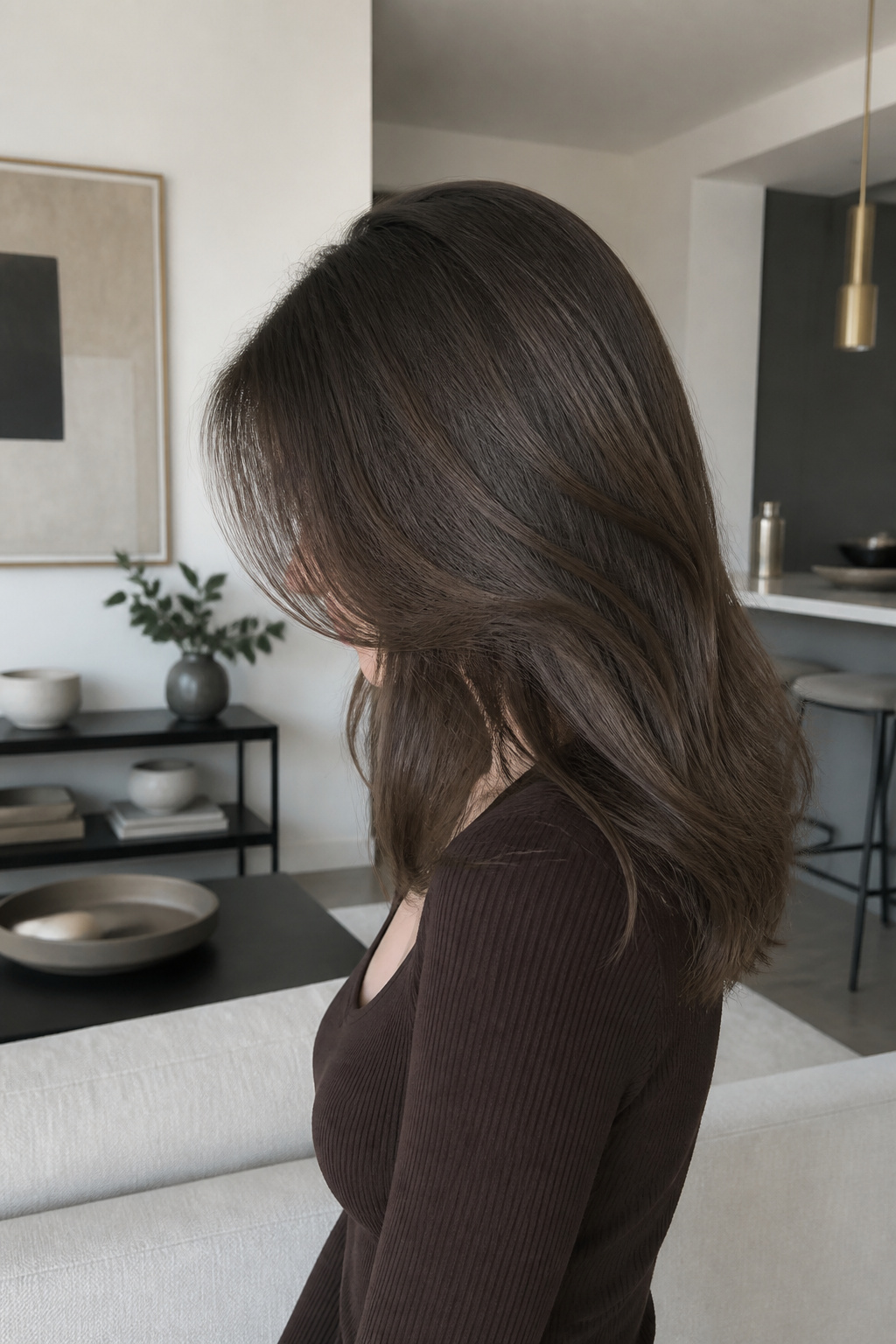
Ashy chocolate brown sits almost at the gray edge of the brown spectrum, with enough cool pigment to read as slate rather than sand. That makes it a strong match for anyone whose skin tone already leans cool, and it is the shade I would point toward if your natural hair pulls red or orange and you want to quiet that down rather than amplify it.
The maintenance is real. Warm chocolates let a little brassiness blend in; ashy tones do not. Blue shampoo becomes necessary here, not optional, because the color will want to creep toward warmth at the roots and ends alike. I would use it once or twice a week and not skip a session. The L’Oréal Paris EverPure Sulfate-Free line is the one I have seen recommended most often for this, though any sulfate-free blue formula will do the same neutralizing work. If your brassiness reads orange rather than yellow, blue is the tone you need; purple handles yellow, not orange.
Your stylist can adjust the ash level to keep it from tipping into flat or muddy territory, especially against a cooler complexion. The balance is delicate, but when it lands right, the result looks naturally yours rather than obviously colored.

Anti-Aging Hair Color Formula: AGE beautiful permanent hair color dyes are proven to fight all 5 signs of aging hair. Our signature fortifying formulas feature Biotin for fuller, thicker and healthier looking hair. Turn back the clock on aging and achieve salon worthy results at home

Nothing Covers Gray Better: Excellence Crème is a Triple Care Color routine that deeply cares for your hair and covers 100% of grays, even stubborn ones. Hair color for gray hair coverage is formulated with Hyaluronic Acid to protect hair as it colors

Enhance your look with rich, radiant color and glossy, gotta-have-it shine
8. Chocolate Hazelnut
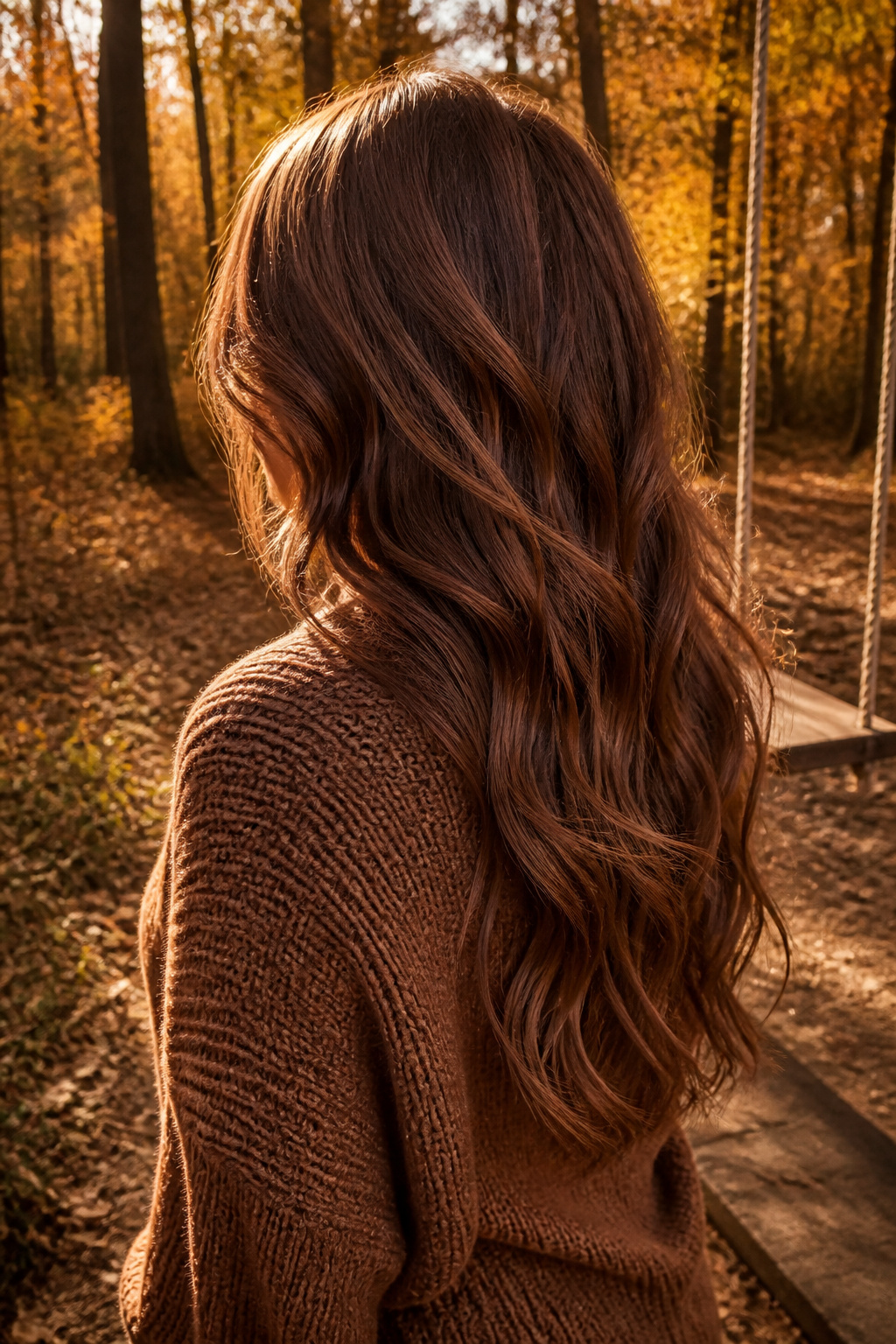
Chocolate hazelnut sits right in that sweet spot between milk chocolate and caramel, warm enough to catch the light but grounded enough to feel expensive. The golden-brown base carries those nutty undertones that read as sun-kissed without any actual highlighting work, which means your salon bill stays reasonable and your grow-out stays forgiving. Most colorists build this on a medium to dark brown base, then gradually lighten the ends with a warm, reddish-brown hue that gives the whole thing dimension without stripes. Some versions lean into a hint of copper for extra warmth, especially as seasons shift, while others keep it quieter with hazelnut ribbons woven through an espresso base for glossy depth. Touch-ups land around every twelve weeks, making this one of the lower-maintenance chocolate brown options if you are not someone who lives at the salon. Wavy or layered cuts do the heavy lifting here, since the movement shows off the tonal shifts without needing separate highlight appointments.

Feria Is Multi-Faceted Permanent Hair Color: Known for shimmering color and edgy colors, Feria permanent hair dye kits transform hair from blah to brilliant; Our multi-faceted shimmering hair dye with 3X highlights delivers intensified, brilliant results

Feria Is Multi-Faceted Permanent Hair Color: Known for shimmering color and edgy colors, Feria permanent hair dye kits transform hair from blah to brilliant; Our multi-faceted shimmering hair dye with 3X highlights delivers intensified, brilliant results
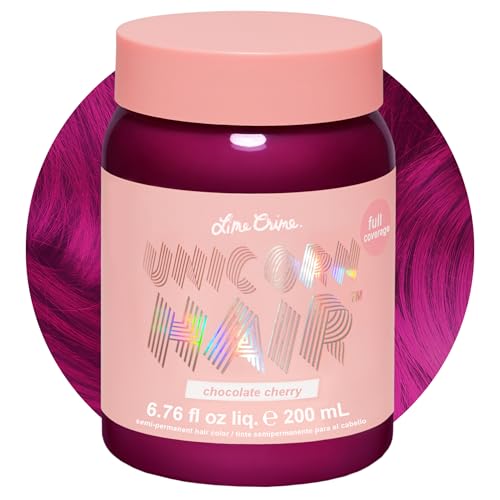
Chocolate Cherry Unicorn Hair Dye: Dyed and gone to Unicorn Heaven! Lime Crime Unicorn Hair is a DIY-friendly, semi-permanent color dye that transforms hair into vibrant colors... all from the comfort of your own home. Chocolate Cherry is a beautiful burgundy red color that will make your fantasy hair color dreams come true, and its sugary citrus vanilla scent will make your transformation even sweeter!
9. Chocolate with Honey Highlights
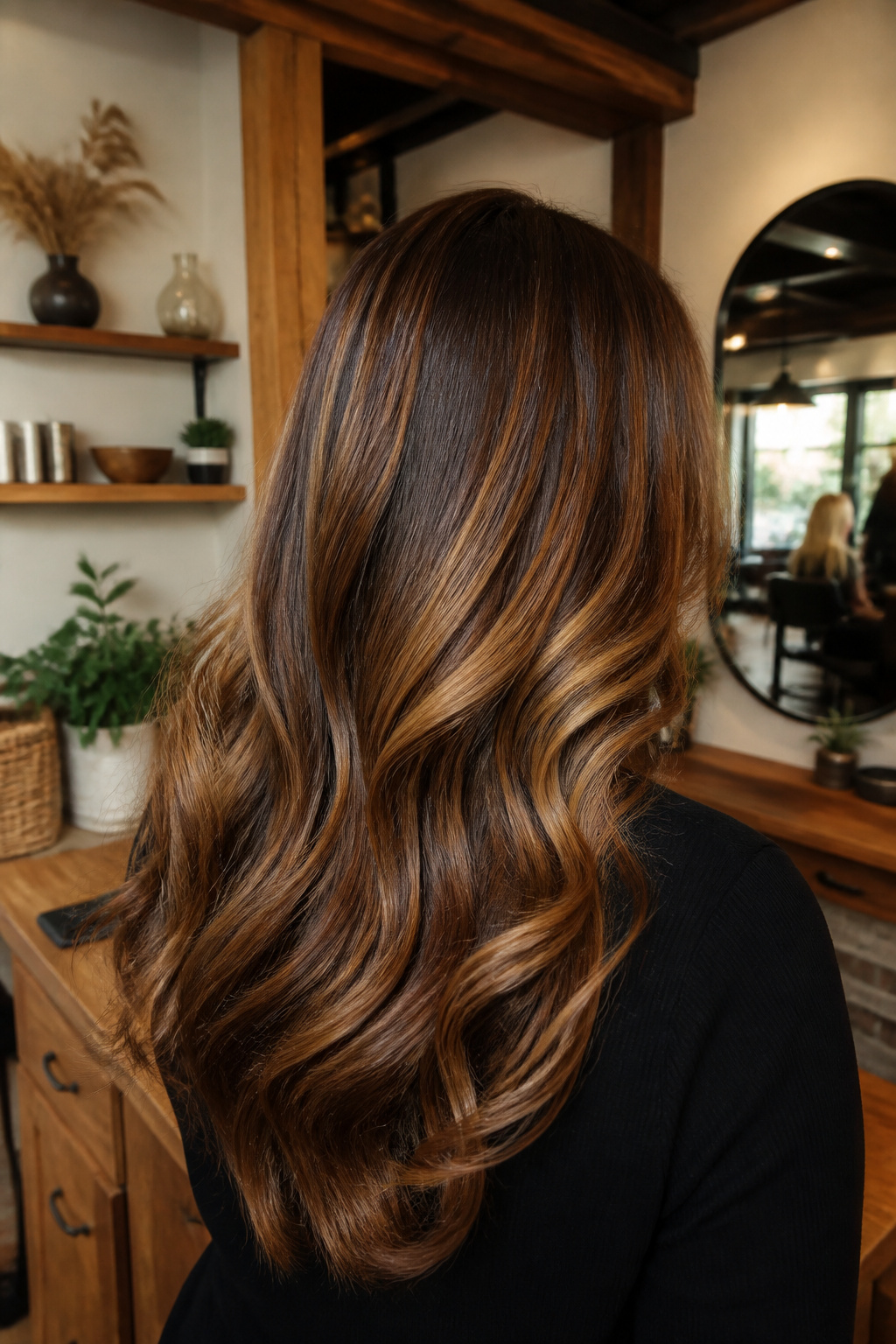
Fine, warm blonde pieces woven through a chocolate base give you that sunlit glow without the harsh contrast of early-2000s streaking. This is a more traditional foil highlight than balayage, and the pieces start closer to the root for that all-over brightness. Honey keeps the contrast soft, so you get dimension that catches light naturally rather than looking like stripes against your brunette base.
The placement matters here. Because the highlights begin higher up, the grow-out is more forgiving than you might expect, though you’ll still want a refresh between full color appointments to keep that luminous quality. Think of it as the approachable way to try the expensive brunette trend: polished, but not so high-maintenance that you’re living at the salon. A sulfate-free shampoo helps the warm tones stay true longer; sulfates strip color and rough up ends, which defeats the whole point of a look built on shine.
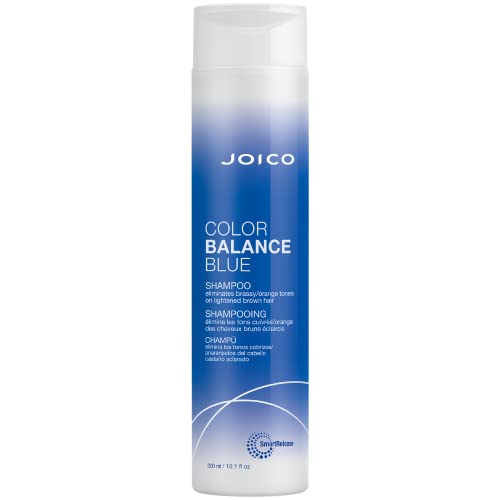
Joico Color Balance Blue Shampoo gently cleanses and neutralizes unwanted orange and brassy tones while boosting shine and controlling static.

ASH BROWN – COOL, SMOKY BROWN TONE – Cleanses, colors, and conditions in one step while helping blend the appearance of gray and white hair with a natural-looking ash brown finish.

Nothing Covers Gray Better: Excellence Crème is a Triple Care Color routine that deeply cares for your hair and covers 100% of grays, even stubborn ones. Hair color for gray hair coverage is formulated with Hyaluronic Acid to protect hair as it colors
10. Chocolate Brown with Cinnamon Highlights
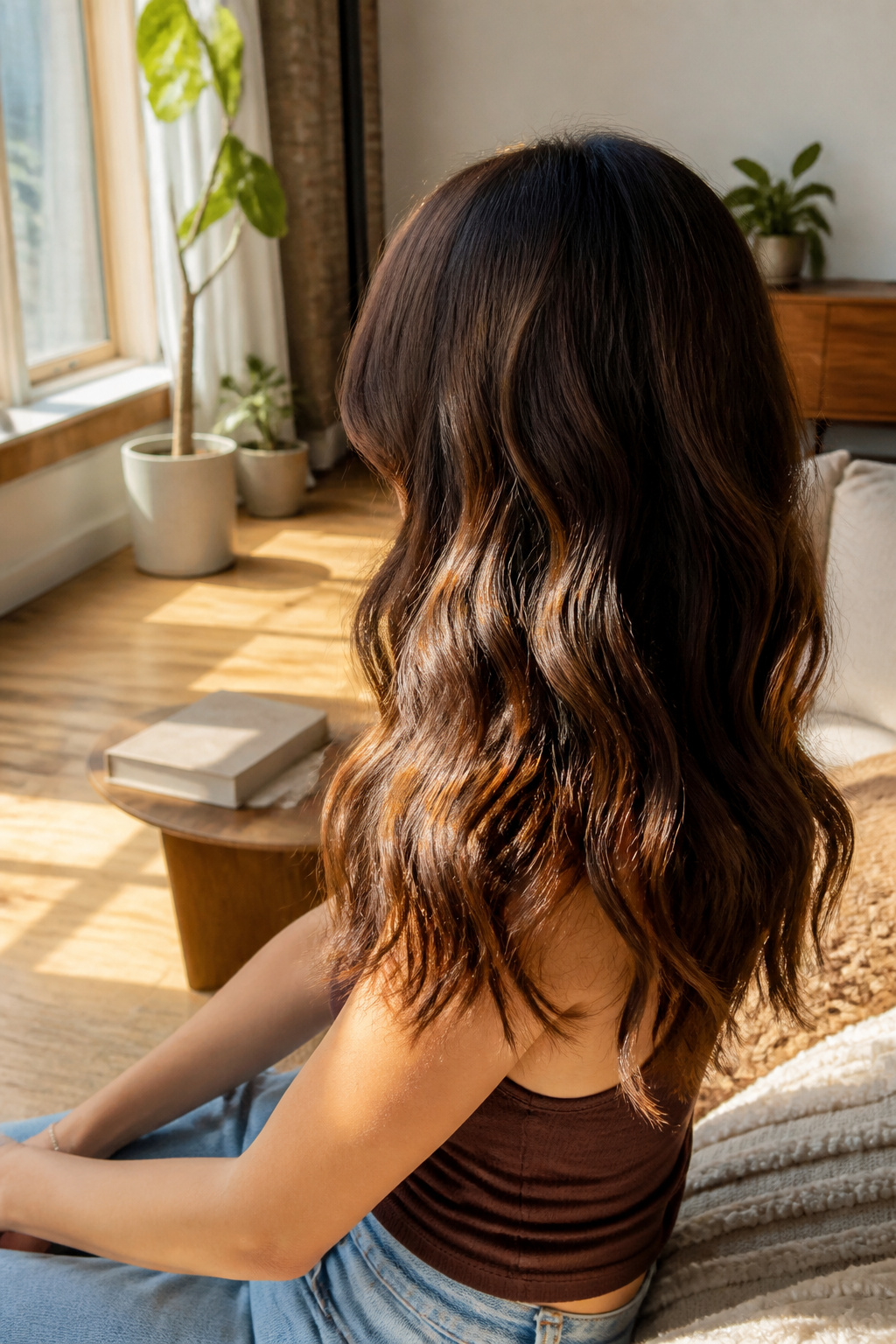
Cinnamon highlights sit somewhere between blonde and true red, and that middle ground is why they work so well against a chocolate base. The tone reads as red-gold pieces woven through the brown rather than a stark contrast, so the overall effect stays natural even when the placement is dense. Warm skin tones carry it best; the golden undertone in cinnamon picks up what is already in the complexion instead of fighting it. Subtlety is an option, not a requirement. A few fine strands near the face keeps things soft, while heavier placement through the ends turns the warmth up significantly. Balayage suits this particularly well on layered cuts, since the movement from the layers lets the color shift catch light at different angles. If you are coloring at home, a medium reddish brown permanent formula will get you into the same family, though the exact cinnamon tone is easier to custom-mix in a salon.

INSTANT COLOR DEPOSIT & REFRESH: Revive faded brunette tones with this brown color depositing shampoo. Enhances chocolate and dark brown shades while adding rich pigment with every wash. Ideal for maintaining salon color between appointments.

Transform light blonde bleached hair to a striking new look with our demi-permanent metallic pink hair dye coloring kit, with plex hair treatment to protect, rebuild and restore your hair's structure
11. Chocolate Brown with Indigo Lowlights
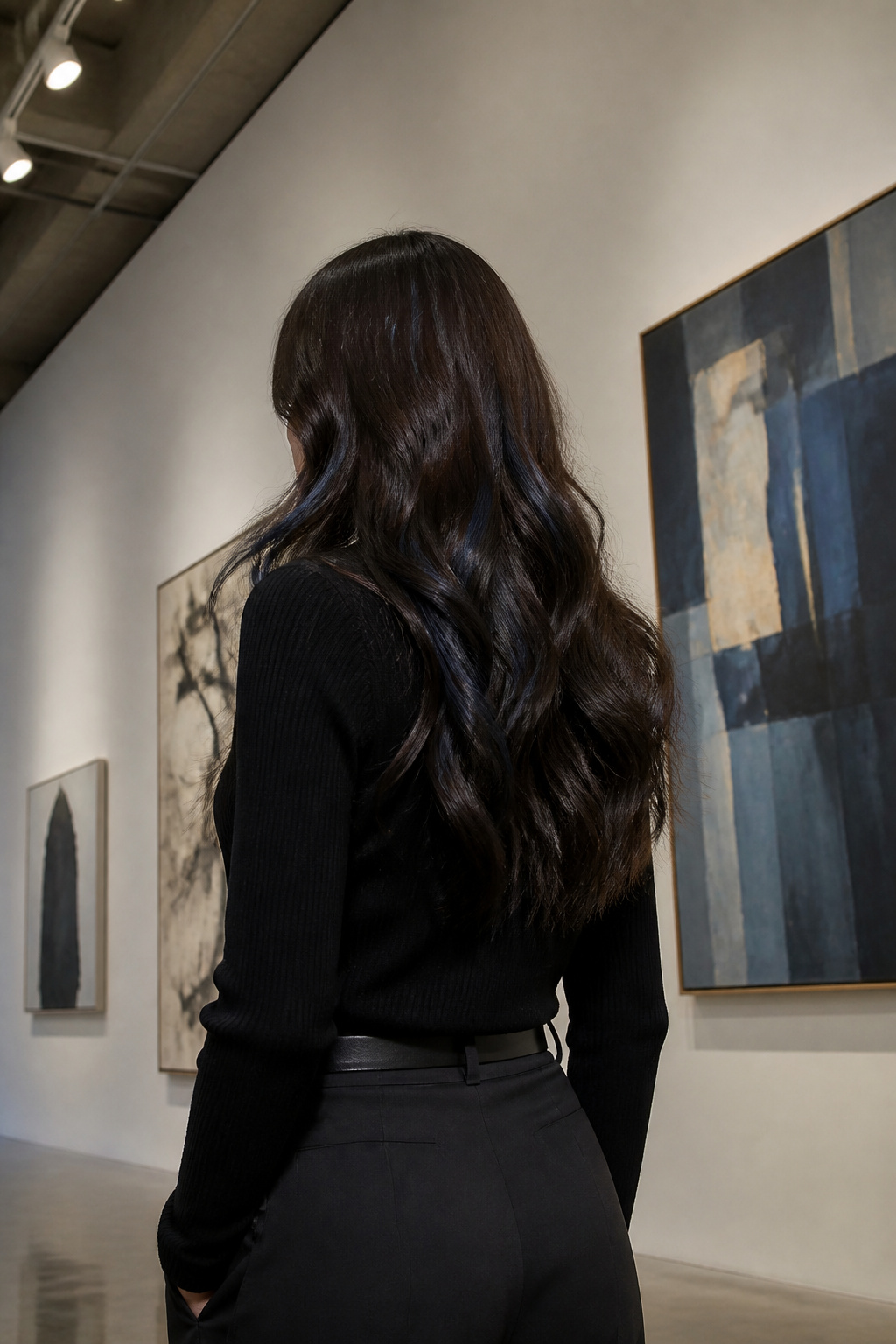
Deep blue pieces placed underneath or at the ends turn chocolate brown into something you only notice when the hair moves or gets styled up. That is the whole point: indigo lowlights add depth rather than lift, so the color does not scream for attention in a ponytail or updo. In dim light the indigo reads as cool black, just a shadow against the warmer brown. Step outside and the surprise hits. The contrast works because the warmth of chocolate carries the cool tone instead of fighting it. I would weave these through layers or curls if I wanted the most movement, since straight hair hides almost everything underneath. This is one of the more subtle options for everyday wear that still turns heads when the light catches it right.
12. Chocolate Brown with Rose Gold Highlights
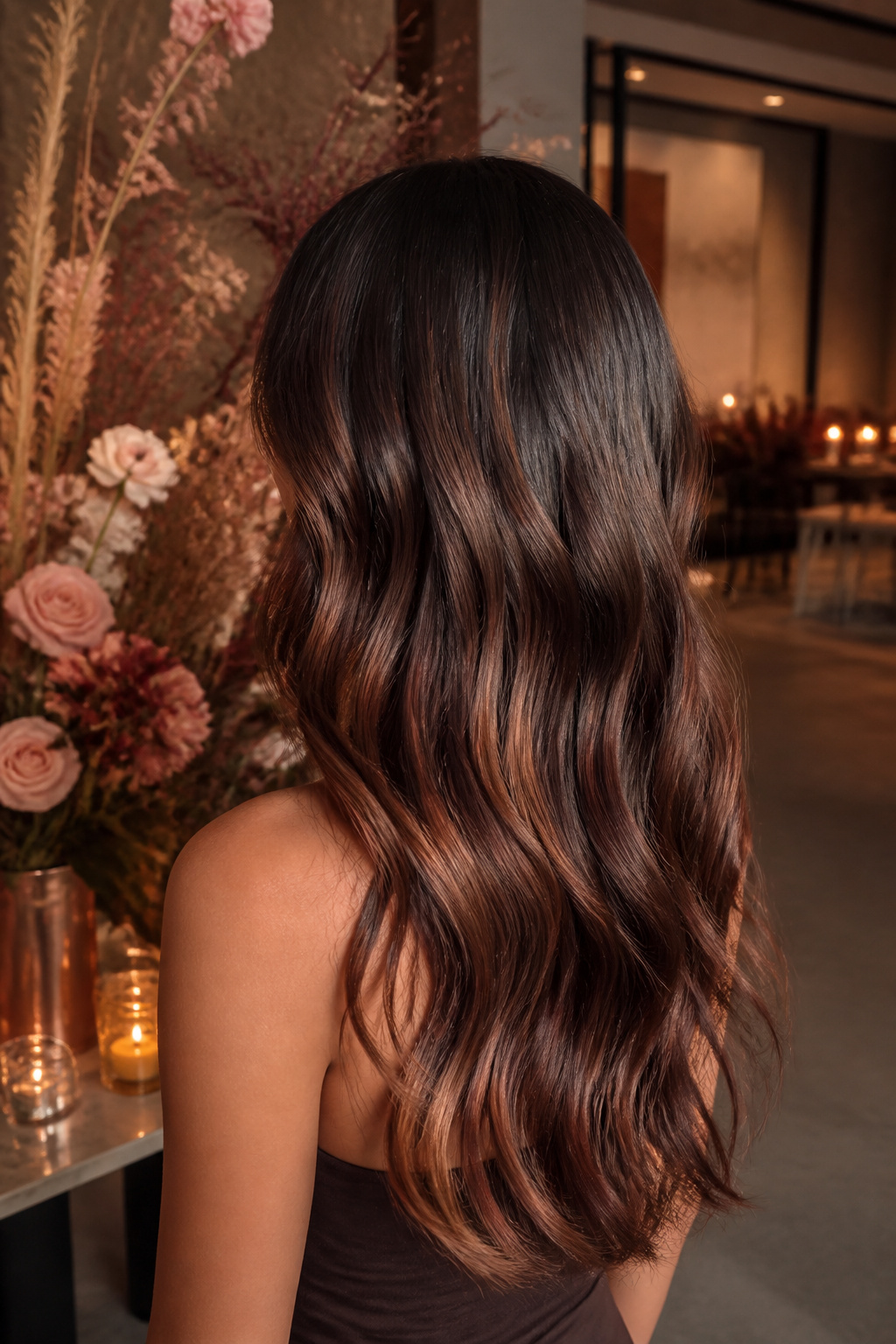
Rose gold highlights on chocolate brown create a soft, metallic warmth that reads more pink than copper under direct light. Stylists usually paint these in as balayage or concentrate them in face-framing foils where the color catches movement. The effect is trend-forward and flattering, but the pink tones fade faster than any other fashion shade, sometimes washing out to a brassy blonde within a few weeks.
Dark hair needs pre-lightening first, which raises both the damage level and the salon bill. The lift required to make rose gold visible on a chocolate base means multiple sessions for some, and the upkeep demands regular gloss appointments to refresh that pink cast. If low maintenance is your priority, this is probably not the option for you.
13. Chocolate Brown with Teal Ends
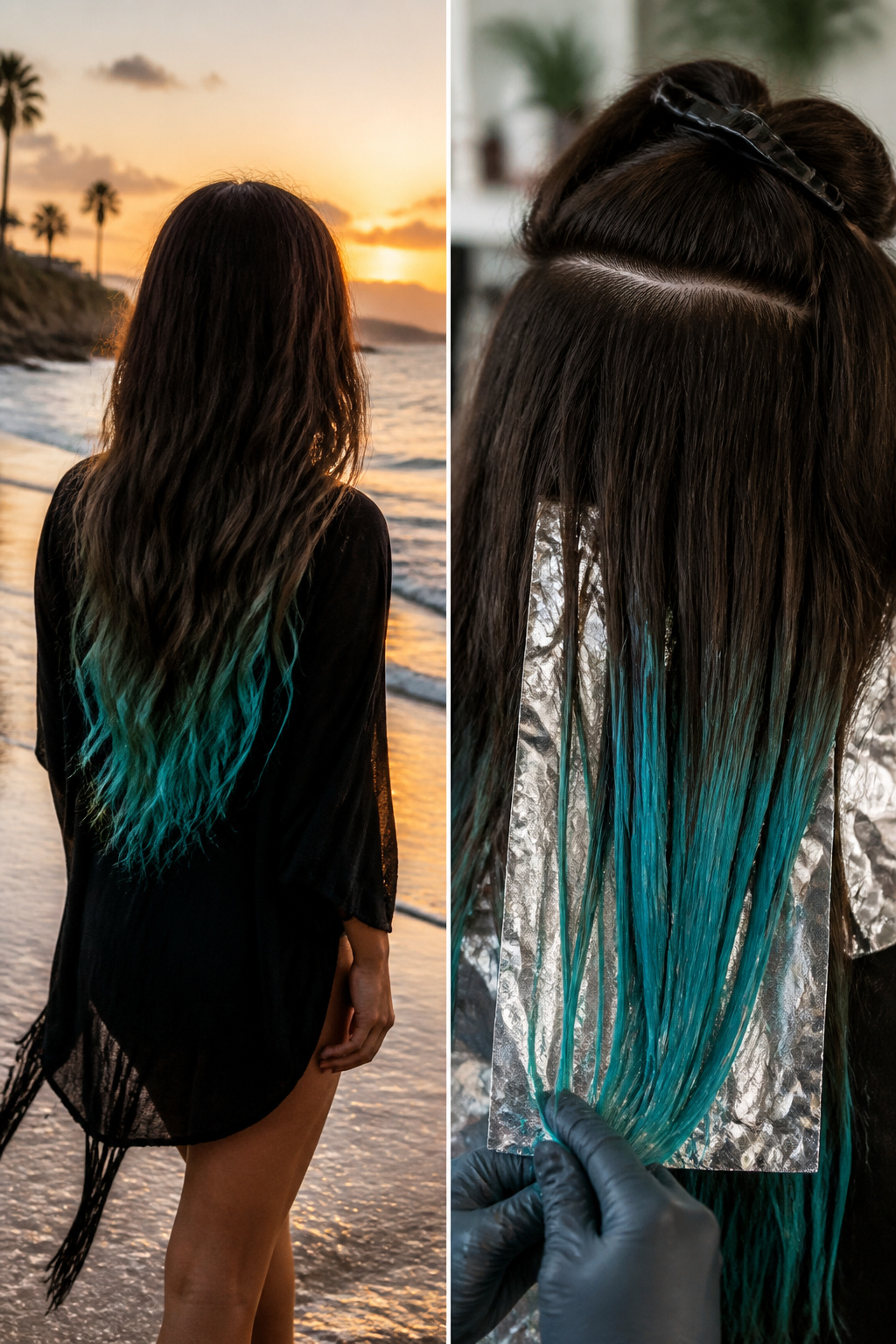
Of all the chocolate brown hair color ideas here, this one asks the most from you. The look runs chocolate from the roots to about mid-shaft, then shifts into teal from mid-lengths to ends. That gradient, whether you dip-dye or stretch it into ombre, reads mermaid-inspired and bold against the brunette base.
The catch is the teal needs a lightened base to read true. Your ends have to be lifted before the color ever touches them. Skip that step and you get muddy green instead of that blue-green pop. That lifting means more salon time, more damage to manage, and more commitment to upkeep than any other option on this list. Roots grow out quietly; grown-out teal does not.
For something less permanent, L’Oréal Paris Colorista Semi-Permanent Hair Color in Teal gives the same effect without the full plunge. It fades instead of growing out, which some people find easier to live with.
14. Chocolate Brown with Butterscotch Balayage
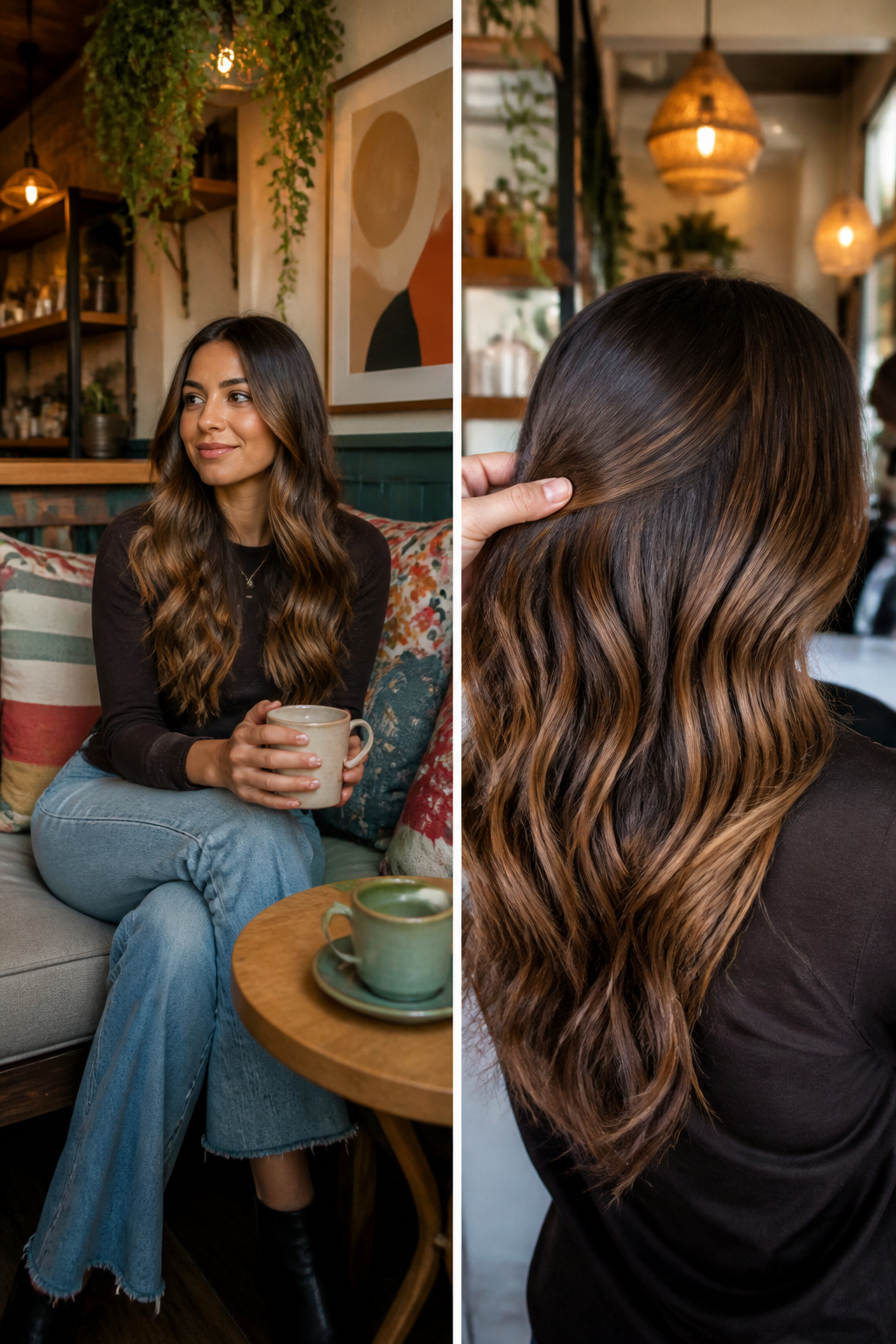
Warm-on-warm coloring is the easiest to get right at home, and butterscotch balayage on chocolate brown is probably the safest place to start if you are nervous about going lighter. The tone sits more yellow than caramel but stops short of that pale honey shade that can read brassy against darker bases. Because both colors share the same underlying warmth, they melt into each other without the muddy banding you sometimes see when cool highlights are laid over warm brown.
The balayage technique matters here more than the exact level of lift. Hand-painted pieces keep the butterscotch concentrated toward the ends and around the face, which means the grow-out is softer than foil highlights and the maintenance stretches to roughly four months if you are not lifting too far from your natural depth. You will still want a glossing appointment around week six to keep the butterscotch from drifting orange, but the base color itself can be left alone.
What sells this look is the saturation. Butterscotch carries enough pigment to still read as blonde in dim light, not just a vague shimmer, so the contrast with chocolate brown stays intentional even on days you skip styling.
15. Chocolate Brown with Gold Reflections
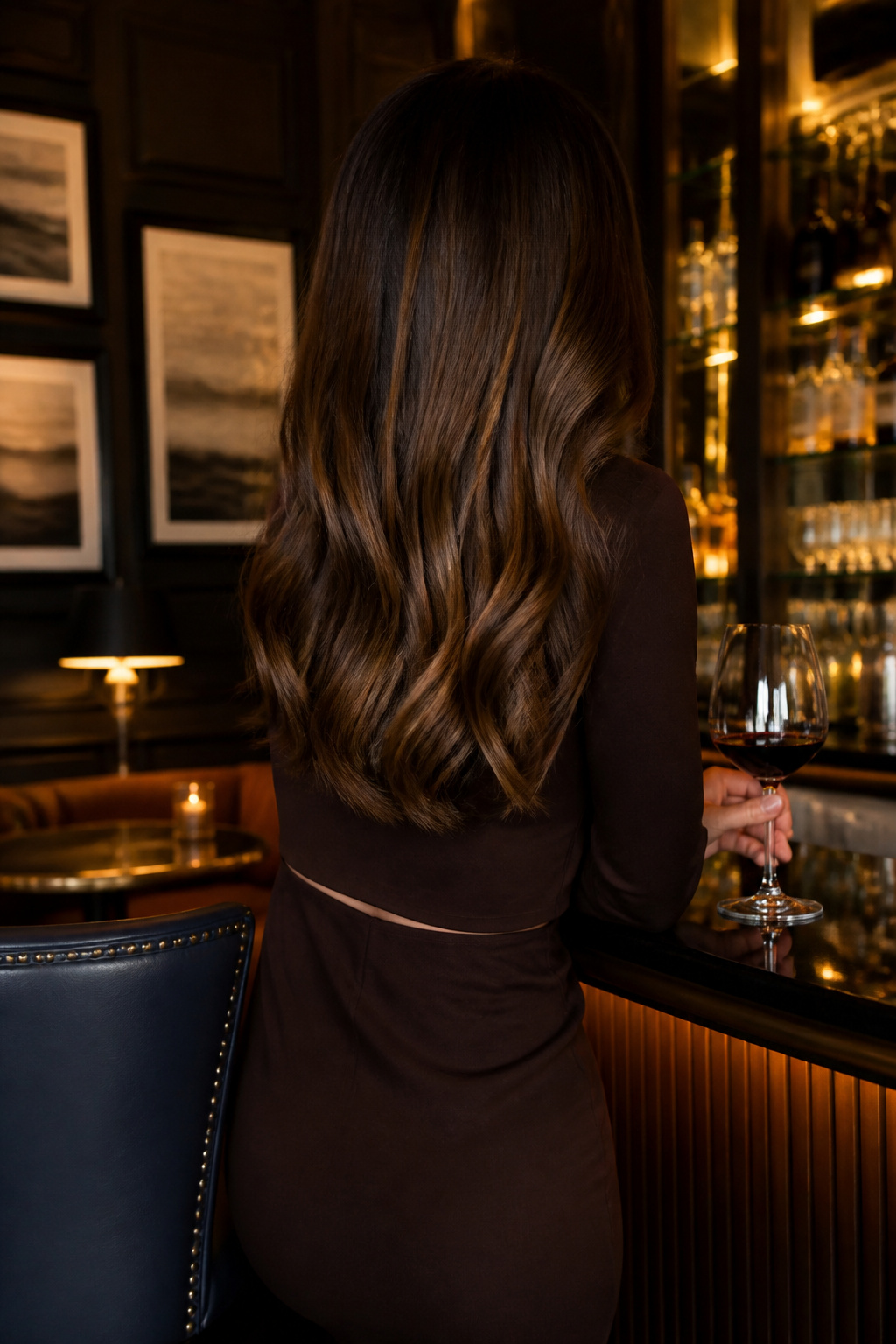
Translucent gold tint layered over a chocolate base creates a reflective warmth that shifts with the light, not a separate streak of color sitting on top. The effect is closer to how candlelight changes a wall than to traditional highlights. Your stylist applies a glossing formula that deposits sheer golden tone, and the result catches whenever you turn your head near a window or under a lamp.
The catch is commitment. Plan on glossing treatments every 4–6 weeks if you want that glow to stay deliberate rather than fading into dullness. At home, sulfate-free shampoo buys you a little extra time between appointments, but the gloss itself is what keeps the reflection alive. Skip it too long and you are back to flat brown, which defeats the whole point of choosing this particular idea.
Picking Your Shade by Skin Tone
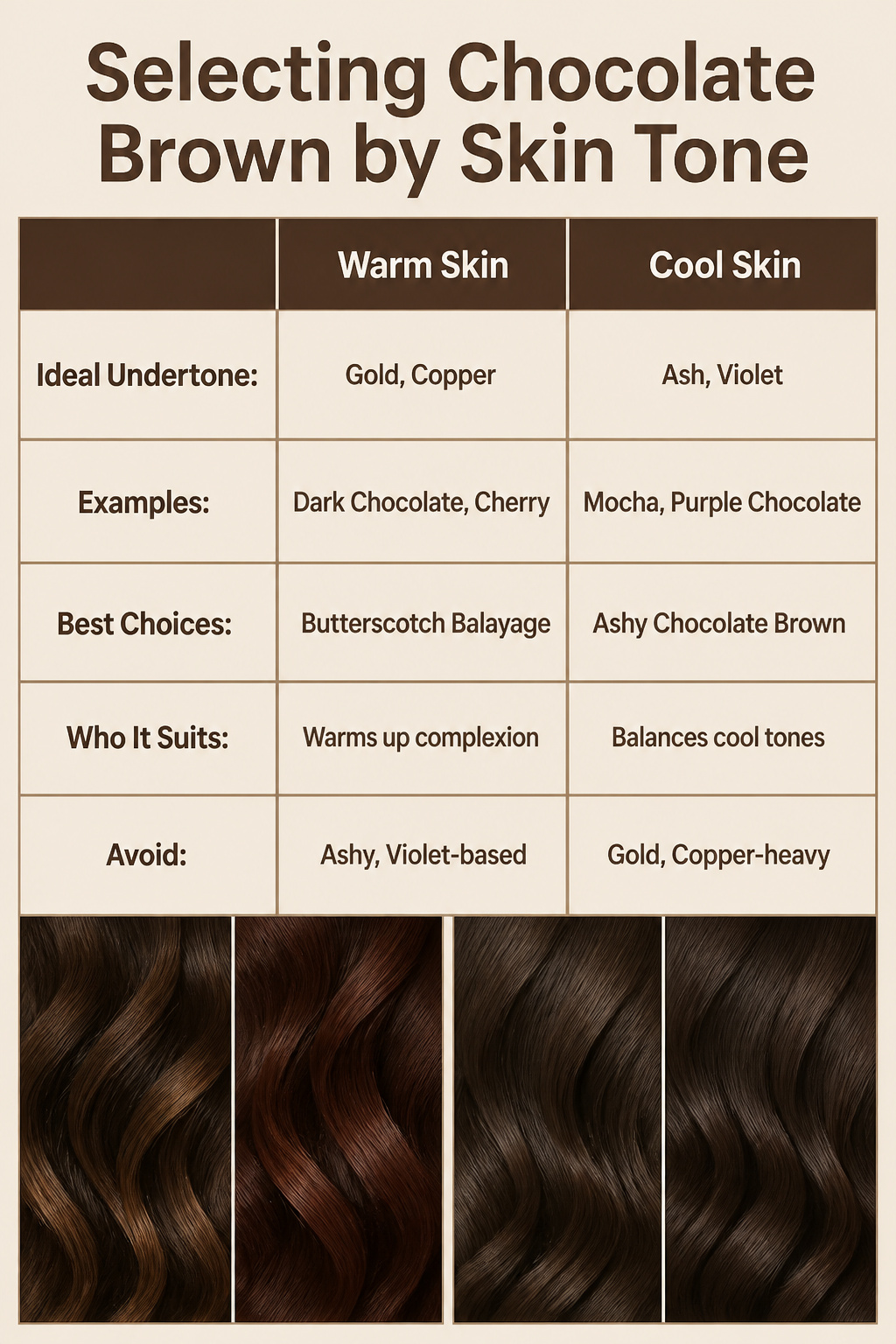
The undertone in your chocolate brown matters more than the depth. Warm skin glows against chocolates carrying gold, red, or caramel: dark chocolate, chocolate cherry, butterscotch balayage. Cool skin needs the opposite pull, ashy or violet-based: mocha, purple chocolate, ashy chocolate brown. Olive skin sits in the middle, though neutral mocha or hazelnut usually wins.
"If you have warmth in your skin, you’re most likely to look best with some gold or copper in your dark brunette… If your skin tone is on the cooler side, you will most likely want to go in the direction of a balanced ash."
— Glamour
That balance is what makes chocolate brown nearly universal, not automatic. The same depth reads tired or radiant depending on whether the undertone clashes or harmonizes with what is already in your skin. Neutral undertones get the widest menu, warm and cool both worth testing to see what feels right.
Keeping the Color Fresh
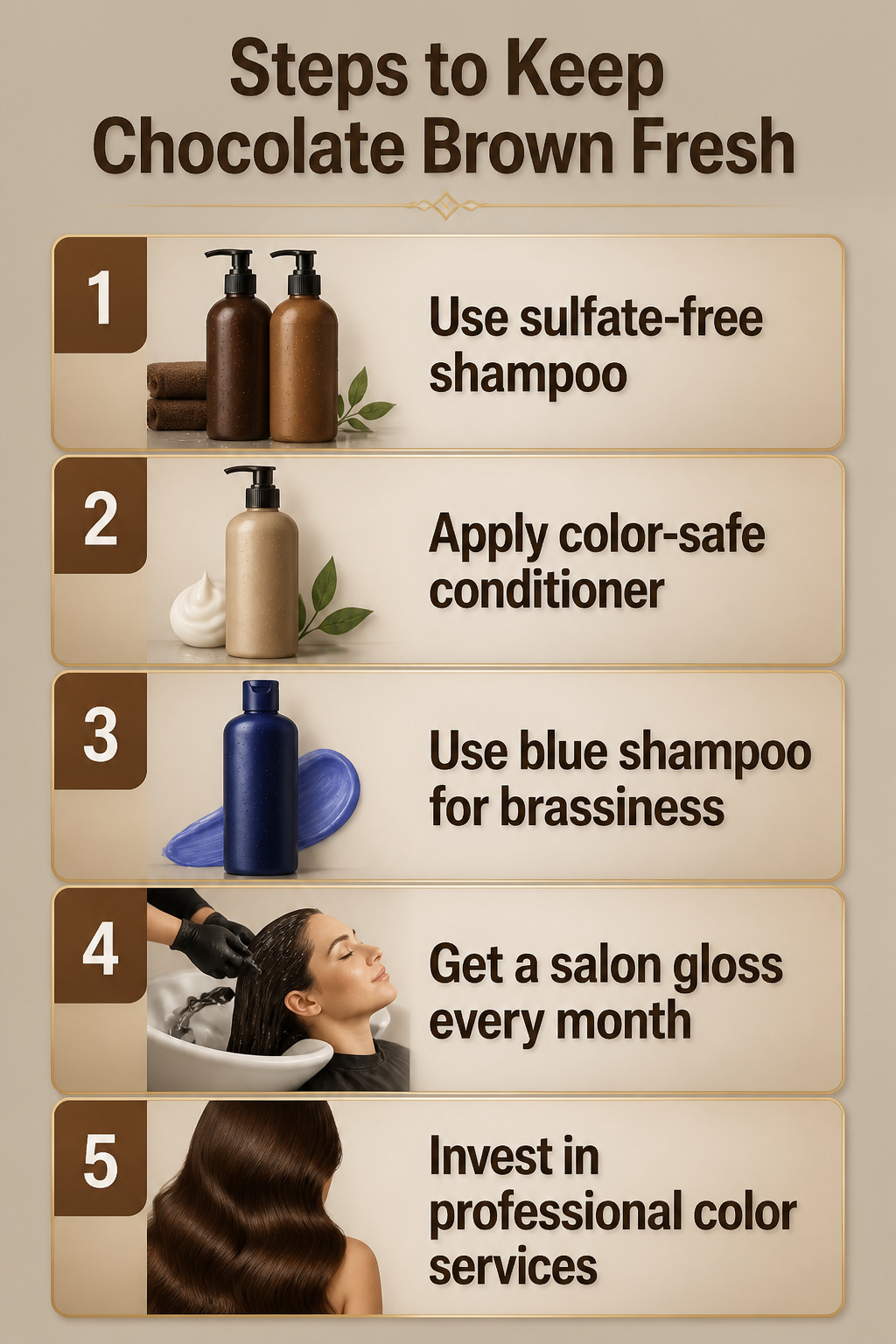
Color-safe shampoo and conditioner are non-negotiable once you’ve gone chocolate brown, and sulfate-free formulas are the specific type to reach for. Sulfates strip the color molecules you’ve just paid to put in, so that "sulfate-free" label on the bottle isn’t marketing fluff. It’s the difference between color that lingers and color that washes down the drain.
If your chocolate brown runs ashy or cool, blue shampoo is what stops brassiness from creeping in. The blue pigment cancels out the orange and red undertones that lightened sections tend to pick up. For highlighted or balayaged versions, a toning shampoo does similar corrective work, keeping the contrast between your base and those lighter pieces intentional rather than muddy.
A salon gloss every 4–6 weeks keeps the shine that made you fall for the color in the first place. Redken Shades EQ is the service most colorists reach for, and it enriches the tone without another full round of permanent color.
Professional color runs $70 to $200 depending on technique, and the at-home routine is what protects that investment. Skip the sulfate-free step, and you’re essentially paying for the same color twice.
What the Season Changes
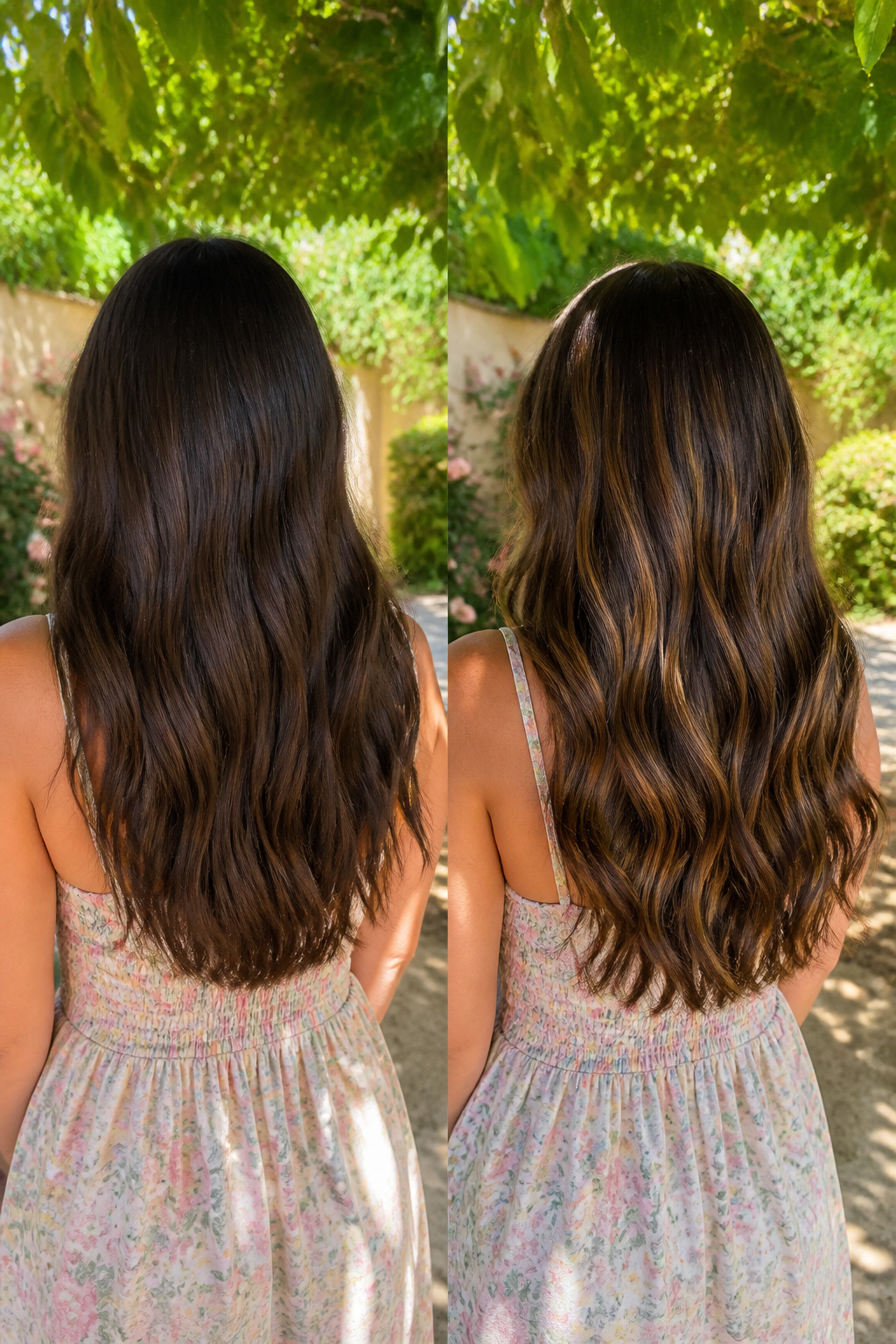
Lighter chocolates and highlighted versions feel right in summer when the sun can hit them. Richer, darker, single-process chocolates suit fall and winter when light is lower and clothes run darker. This is not a rule but a rhythm many people follow naturally, going lighter in March and deeper in October.
Seasonal shifts do not require full color changes. A glossing treatment warmer or cooler, or adding or removing a few highlights, can do the work. A honey-toned ribbon through chocolate brown in June catches the light differently than the same base in December. Dark cocoa tones in January feel intentional, not heavy. The change is often subtle enough that coworkers notice something without naming it.
Frequently Asked Questions
How do I maintain chocolate brown hair color?
Use sulfate-free shampoo and conditioner to stop color molecules from washing down the drain, and schedule a salon gloss every 4–6 weeks to keep the shine alive. Cool or ashy chocolate shades need blue shampoo once or twice weekly to cancel orange brassiness before it settles in.
What is the best shade of chocolate brown for my skin tone?
Warm skin tones glow against chocolates with gold, red, or caramel undertones like dark chocolate, chocolate cherry, or butterscotch balayage. Cool skin tones suit ashy or violet-based shades such as mocha, purple chocolate, or ashy chocolate brown. Neutral undertones can test either direction to see what feels right.
What products should I use for chocolate brown hair?
Reach for sulfate-free shampoos and conditioners specifically, since sulfates strip the color you just paid to put in. If your shade runs cool or highlighted, add a blue or toning shampoo to correct brassiness, and pick up a deep conditioner to keep the hair looking healthy and glossy between appointments.