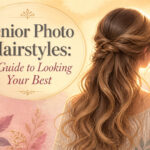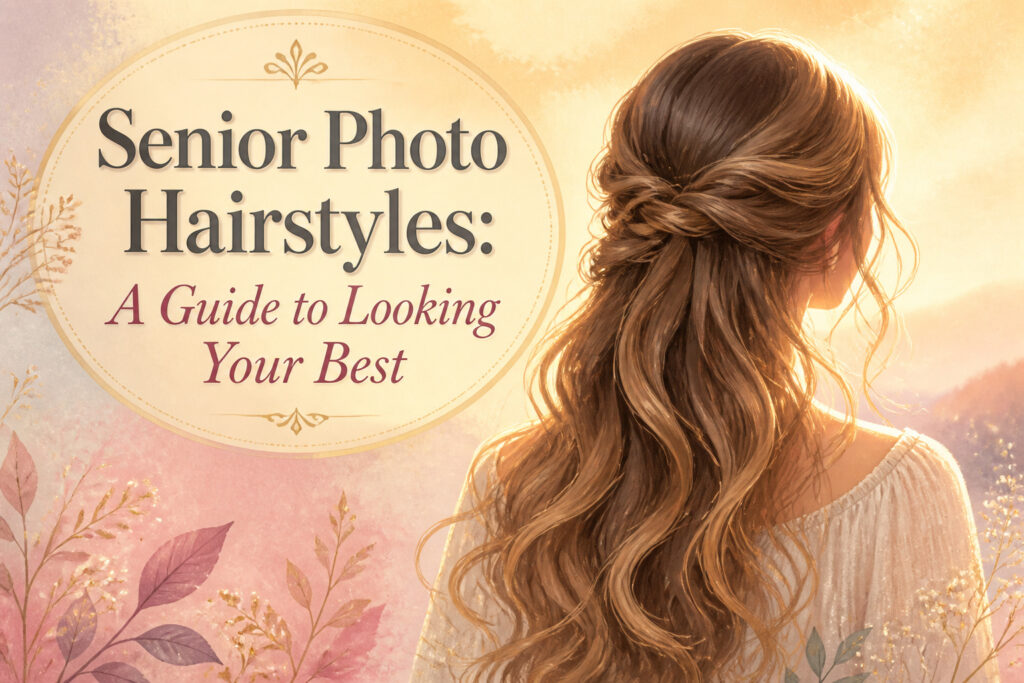
Senior photo hairstyles are the styles you choose for your final high school portrait session, and the difference between a look that feels like you and one that dates itself within five years comes down to preparation before the camera ever comes out. Even a polished bun or sleek straight style falls flat if you deep condition the morning of and walk in with residue that kills volume under studio lights. Mark Garrison, a New York City-based stylist, recommends updating your everyday style in small ways rather than chasing trends for the shoot.
Sleek Straight Styles
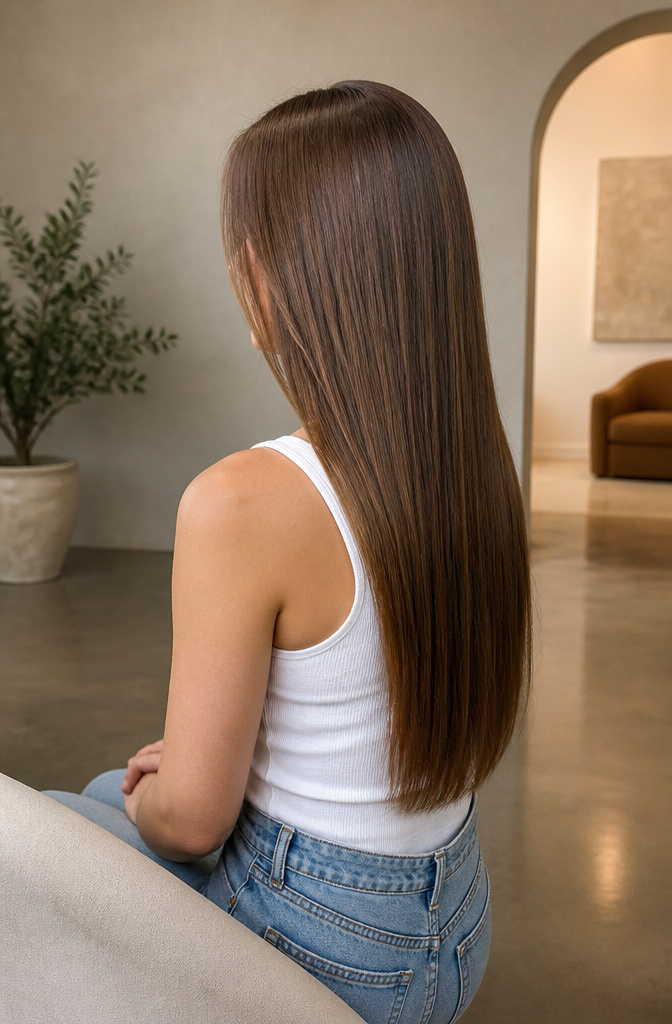
A polished, straight hairstyle brings a quiet sophistication to formal senior portraits that busier looks sometimes miss. Clean lines photograph beautifully in studio or indoor settings, where controlled lighting picks up every smooth strand and the overall effect reads as intentional rather than fussy.
This is also one of the more approachable styles to achieve yourself. Work a heat-protectant serum through damp hair, blow-dry straight with a paddle brush, then run a flat iron over sections for that smooth, frizz-free finish. Pay extra attention to the ends; they show up on camera more than you’d expect.
For a little variation without breaking the sleekness, try a deep side part for subtle drama, or tuck one side behind your ear. Both moves add structure to the frame without adding complexity. The goal is hair that looks polished but not stiff, since senior portraits hang around for years and you want a version of yourself you still recognize.

Infused with Coconut oil & essence of Olive oil to add shine & moisture

Heat Protectant Leave In: This ultra lightweight leave in protects against heat damage up to 450F degrees while reducing frizz, hydrating long hair and sealing in shine for 3 day sleek hair
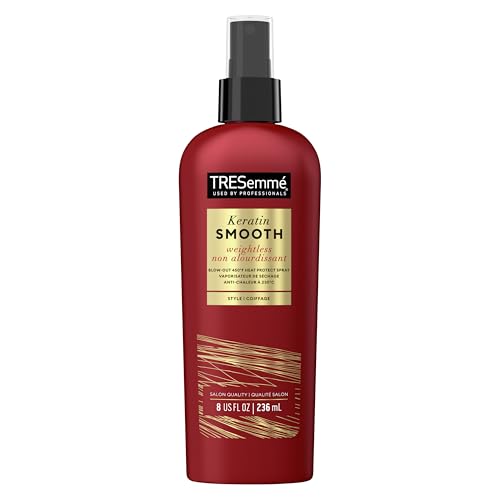
HEAT PROTECTANT SPRAY: TRESemmé Thermal Creations leave-in heat protectant spray for hair provides 5 smoothing benefits in 1, leaving hair shiny and enviably soft
Tousled Waves
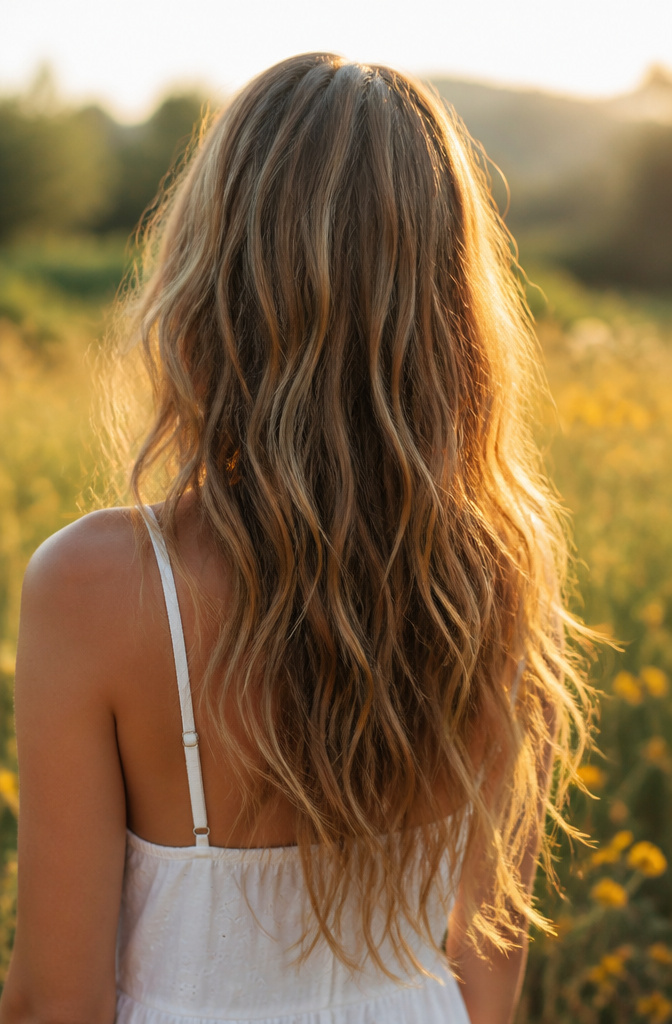
Tousled waves give senior portraits a relaxed energy that reads as genuine rather than staged, and outdoor settings are where this style really earns its keep. The movement catches late-afternoon light in unpredictable ways, so you get dimension without the hair looking like it took an hour to build. A sea salt or texturizing spray on damp hair, scrunched in, forms the base for hair that holds shape without stiffness.
A larger-barrel curling wand builds loose waves if your hair needs help; alternate curl direction so nothing clusters into uniform ringlets. Run your fingers through afterward to break them up. The finished look pairs naturally with bohemian wardrobe choices, though it does not demand them. What matters is that the hair moves when you turn, catches a breeze, looks like yours on a good day rather than a stranger’s on a perfect one.

ADVANCED CERAMIC PLATES: Infused with Argan oil, protein-packed Keratin, and a micro-conditioner, this straightener delivers even heat for optimal hair health. Good for all hair types- fine, normal, thick, and coarse hair. Use on dry hair only.
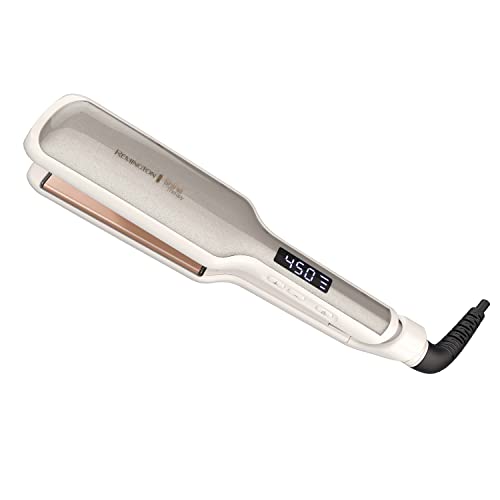
ADVANCED CERAMIC PLATES: Infused with Argan oil, protein-packed Keratin, and a micro-conditioner, this straightener delivers even heat for optimal hair health. Good for all hair types- fine, normal, thick, and coarse hair. Use on dry hair only.

CONQUER HARD-TO-REACH EDGES: The exceptionally well-suited 3/10" ultra-thin flat iron design allows for meticulous root styling and a flawless finish without missing spots
Classic Curls
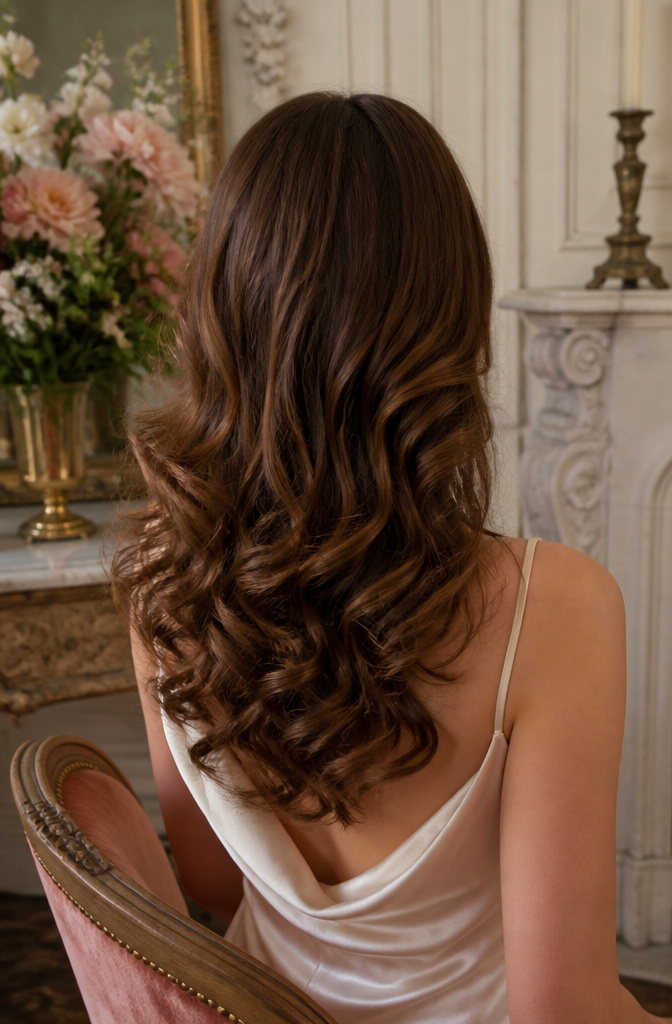
Classic curls carry a kind of beauty that does not fight with the dress or the background for attention. They simply read as you, polished, and that is why they survive decades on a mantle without looking like a costume from a very specific year.
A medium-barrel curling iron gives the most consistent shape. Wrap each section, pin it up to cool while you finish the rest, and the set lasts through outfit changes and outdoor wind. Once everything has cooled, a gentle brush-through softens the curl into something that moves rather than clings.
This style pairs naturally with formal portraits, but it does not demand a gown. Vintage-inspired pieces work, and so does something playful. The curl itself is the neutral; the outfit brings the mood.
Pinning the curls to cool is the step most people skip, and it is the difference between waves that hold for thirty minutes and waves that hold through the entire session. The heat sets the shape, but the cooling locks it.
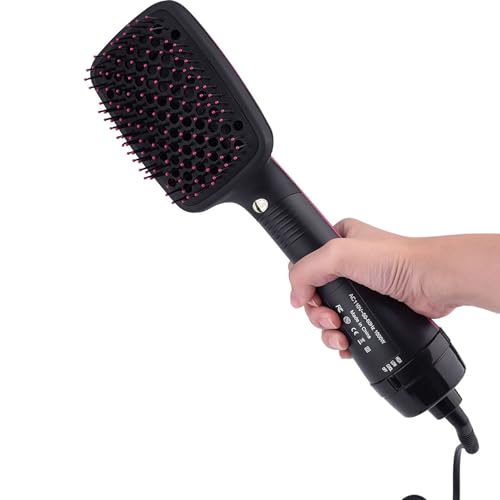
ONE STEP SMOOTH - The hair dryer combines the drying function of a hair dryer and the smoothing action of a hairbrush, allowing you to dry and detangle your hair in one step, and use it on damp hair for best results.

2-IN-1 BLOW DRY & STRAIGHTEN BRUSH: Dry and straighten hair at the same time with this ceramic-plated paddle brush designed for faster, more efficient styling. Helps reduce heat damage by minimizing the need for multiple hot tools while creating smooth, sleek blowout styles with less effort.

Salon-Quality Blowouts: Combines the drying power of a hair-dryer brush with three unique attachments
Braids
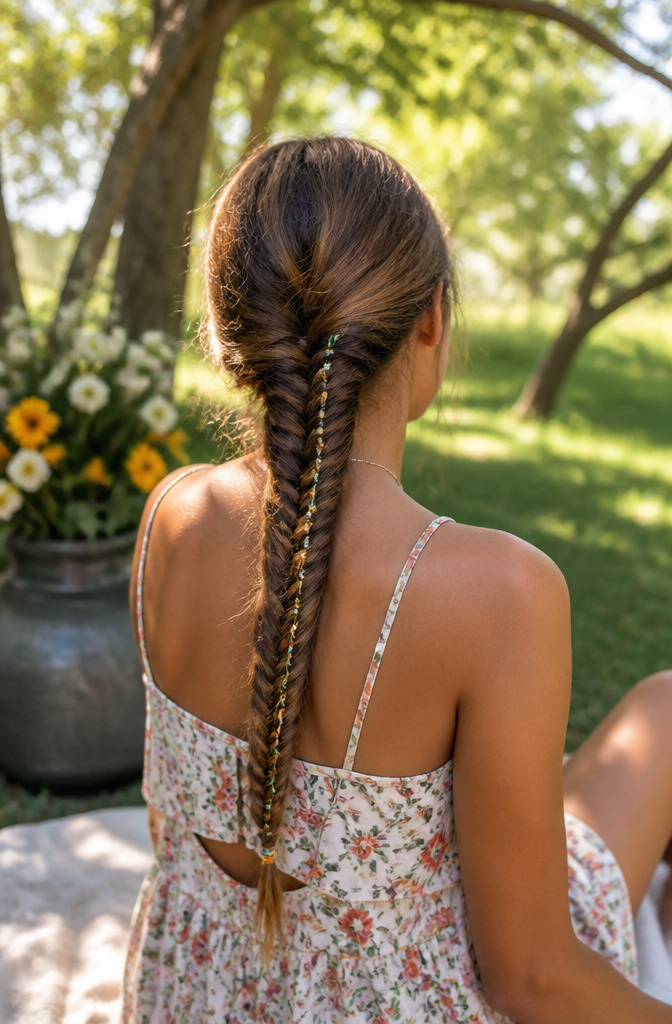
Braids bring texture and dimension to senior photos in a way few other styles manage. A fishtail, Dutch braid, or crown braid each reads differently against a backdrop, and that range matters when you’re moving between a casual outdoor setting and a more formal studio wall. The same crown braid that feels relaxed in tall grass sharpens up under studio lights without needing a full restyle.
For some, braids also carry cultural weight that makes the portrait feel personally grounded. Adding small beads threaded onto a needle and woven in as you braid can deepen that significance, though the choice is yours. A clear elastic at the end, with sections gently pulled apart for fullness, keeps the look from feeling too tight or finished. The strongest senior portraits come from styles you actually like, not from chasing a personality type or a rule about what "senior photos" should look like.

MAKE WAVES - Beach waves and laid back curly hair are all time in fashion hair styles and our Level 3 sea salt hair spray can give you just that with some extra hair volume that is super soft and easy to put the hair brush on.

Adds beachy texture

Refreshing and effective - This refreshing sea salt spray men lifts and volumizes hair, enhances natural curls and waves, and creates a natural beach hair look with texture.
Ponytails
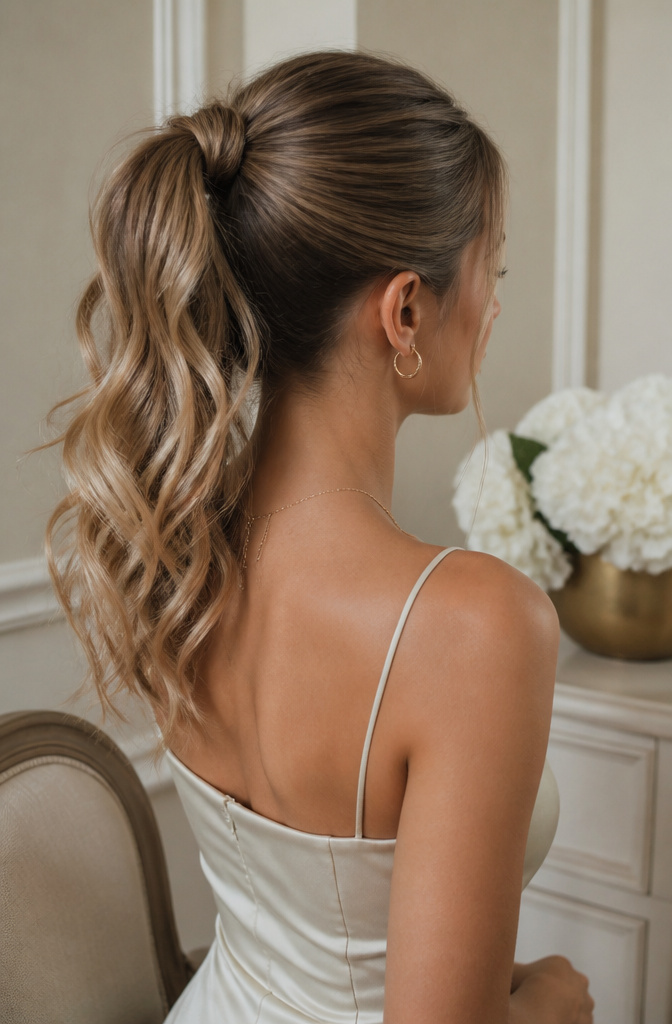
A well-styled ponytail can be surprisingly chic for senior photos, giving a sleek look that reads as both confident and youthful on camera. The placement changes the whole mood. A high ponytail, gathered at the crown and secured so the elastic is hidden with a wrapped strand, carries energy and draws the eye up. A low ponytail, sitting at the nape with the top kept smooth, leans more sophisticated and quiet.
Either way, the ponytail’s real strength in portraits is how cleanly it photographs. It frames the face without competing with it, which matters when these images hang on walls for years. Adding soft waves or curls through the tail itself keeps the look from feeling too severe and gives the camera some movement to catch. The style also holds up across a long session, no strands falling forward to demand retouching later.
For anyone worried about looking too casual, the polished finish is what elevates it. Smooth the top, conceal the band, and let the texture live in the pony itself. That balance reads intentional, not like gym hair, and it pairs well with almost any neckline or backdrop a senior session throws at you.

LONG HAIR, FASTER CLASSIC CURLS: This 1-inch double ceramic curling iron heats up fast and delivers even heat for defined curls, loose waves, and frizz-free shine on fine to thick hair, with smooth results that hold on medium to long styles—even in humidity.

24K Gold Technology: This Hot Tools Curling Iron has 24K Gold technology for fast, even heat that helps protect hair from heat damage*

CLASSIC CURLS & LOOSE WAVES THAT LAST — Create long-lasting, frizz-free curls and soft waves with this double ceramic curling iron. Designed specifically for medium to long hair, it delivers smooth styles and even heat for beautiful results that hold all day.
Buns
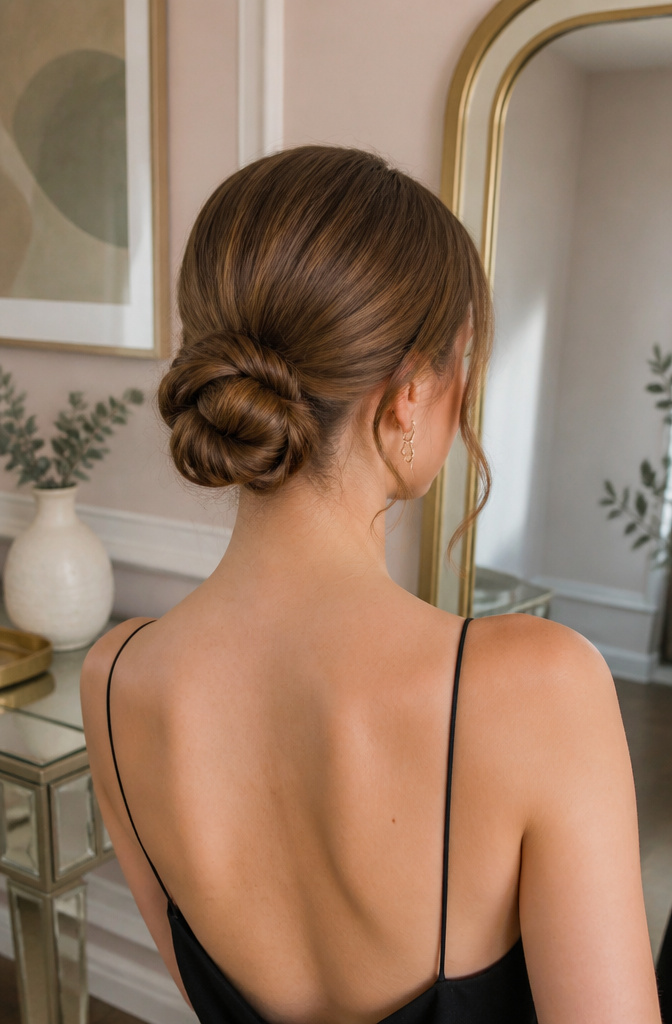
A classic bun is the epitome of elegance and sophistication, and it suits senior portraits particularly well when you want a refined, controlled look. Pulling the hair back keeps every strand in place during the session and draws the eye toward your face, your earrings, or a delicate necklace. That clean line at the nape or crown leaves nowhere for the camera to wander except where you want attention.
You can set the bun high, at mid-height, or low against the neck depending on your dress neckline and what feels most like you. The method is straightforward: gather into a sleek ponytail at your chosen height, twist the length tightly, wrap it around the base, and pin it secure. A strong-hold hairspray finishes the job and keeps flyaways from stealing focus under studio lights.
The bun works best in indoor studio settings and pairs naturally with elegant dresses. If your senior portrait wardrobe leans formal, this is the style that reads intentional and timeless rather than casual.

THICKEN & PROTECT: This 6.5-fluid ounce bottle of OGX ProGrowth + Peptide Serum Mist instantly plumps strands from root to tip while protecting against breakage*. For visibly thicker, fuller-looking hair that feels strong, healthy, and resilient*

Heat protectant: This weightless heat protectant spray shields your hair from heat damage up to 450°F while delivering lightweight conditioning; preps hair for smooth, strong, ready-to-style hair

Thermal Protectant Up to 450°F - TYMO heat protect spray contains the oil-hydrolyzed keratin constituted unique heat protection system that protects against the damaging effect of heat styling up to 450°F, allowing you to create flawless styles with professional heated styling tools, without worrying about hair breakage and thermal damage.
Half-Up, Half-Down
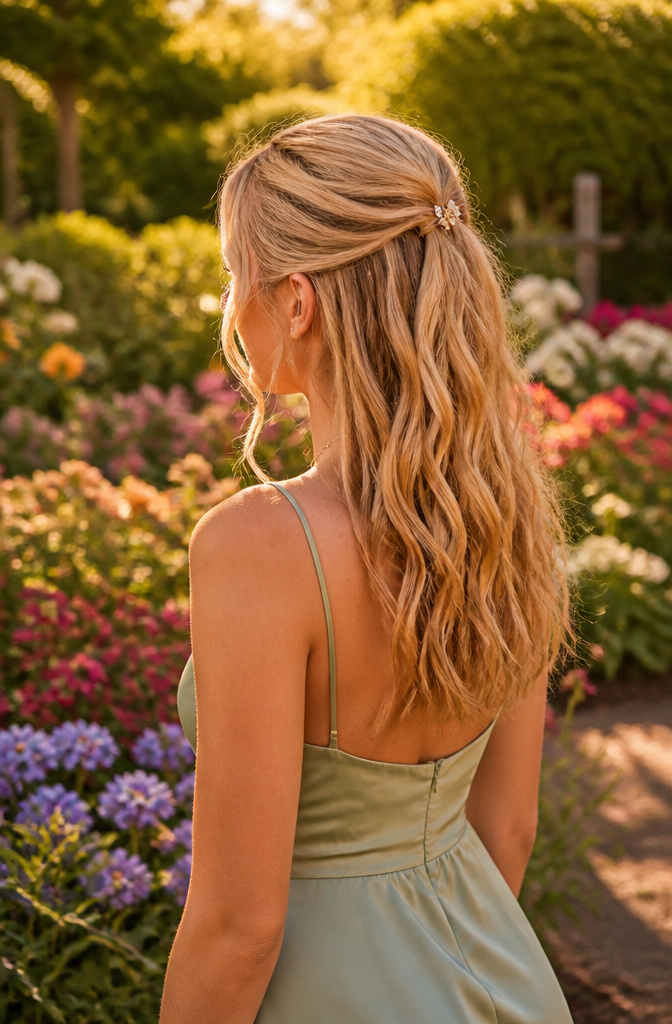
The half-up, half-down style does exactly what its name promises: it pulls the top section of your hair back while the rest falls freely past your shoulders. That combination keeps the focus on your face during close-up shots without hiding the length you have been growing out for years.
Structure lives in the pinned or clipped upper portion, which frames the cheekbones and opens up the eyes. Softness comes from whatever texture you choose below, whether that is straight, wavy, or curled. Most hair types cooperate with this arrangement. Fine hair gets instant volume from the lifted crown, while thick or curly hair benefits from the weight being partially controlled so it does not overwhelm the frame.
This look travels well between studio backdrops and outdoor locations. It reads polished enough for formal portraits but relaxed enough for casual yearbook shots. A small barrette or a few hidden pins can shift the mood without requiring a full restyle between poses.
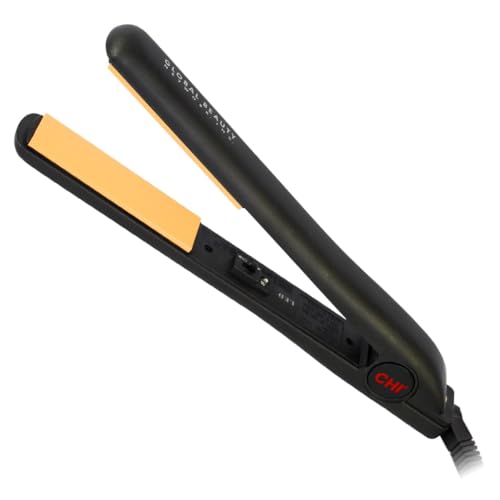
PROFESSIONAL STYLING: 1″ ceramic floating plates deliver even heat for smooth straightening, curls, flips, waves, and polished looks for all hair types.

Reduce Hair Damage: Straightener has ceramic coating helps reduce damage from over-styling with even heat distribution making styling fast and easy
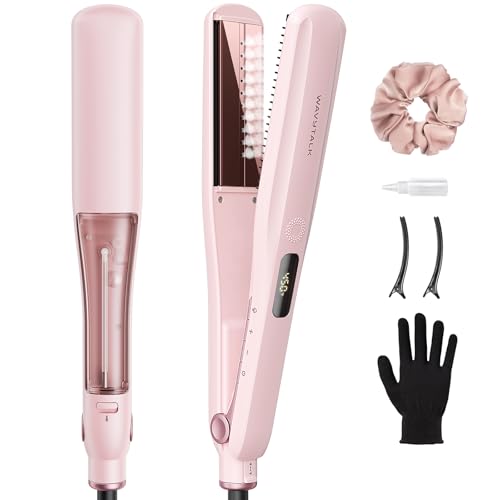
One-Pass Straightening, Powered by Steam: Steam styling means fewer passes, less heat, and smoother results. Our Hydro-Infusion technology transforms water into a fine, heated mist that deeply hydrates each strand while you style. The result? Silky, frizz-free hair in a single glide. No dryness, no burnt smell, just shine — reduces heat damage and delivers one-pass results. (Steam function can be turned off if desired)
Why Personal Style Beats Trends
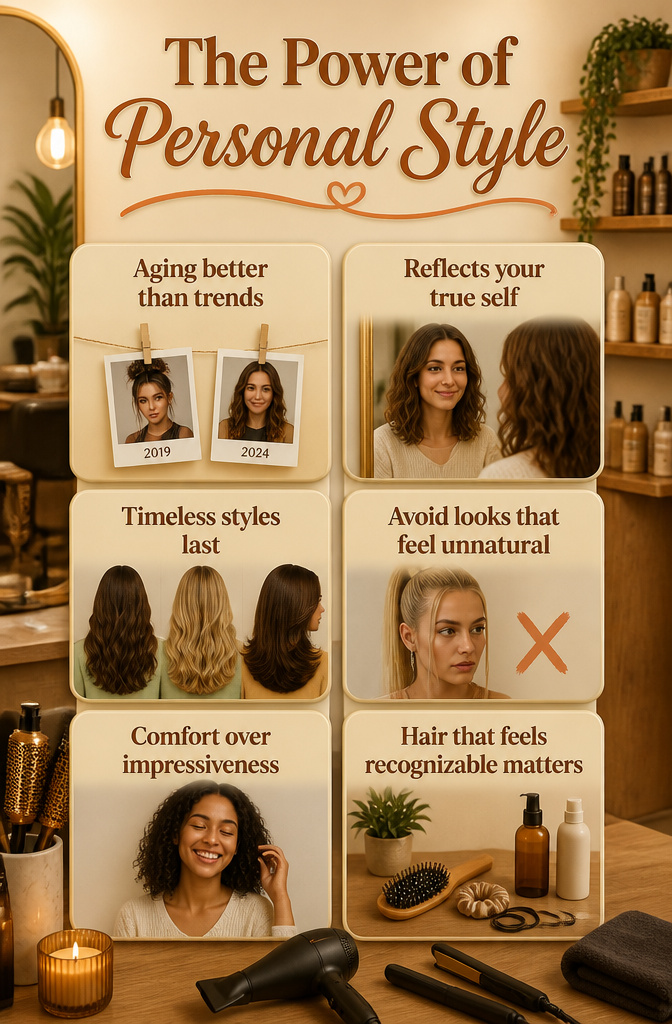
Senior portraits hang on walls for years, and the hairstyles that looked current in 2019 already feel like a timestamp. A style that reflects who you actually are ages far better than whatever is trending on social media right now. I have seen this play out in my own photos: the cuts that felt like "me" still look right, while the experimental phase I tried to capture just reads as awkward.
Classic does not mean boring. Loose curls, soft waves, or a clean blowout that fits your everyday texture will photograph naturally and stay readable across decades. The stiff, over-gelled looks that freeze every strand in place tend to look unnatural on camera anyway, and they do not move well during a session.
Hair that feels recognizable matters more than hair that feels impressive. If you never wear braids, do not braid it for the shoot. If you never straighten your curls, do not start now. The portraits should look like you on a good day, not like a costume version of you. That comfort shows in your shoulders, in your smile, in whether you keep touching your hair to check if it is still there.
Preparing Hair Before the Session
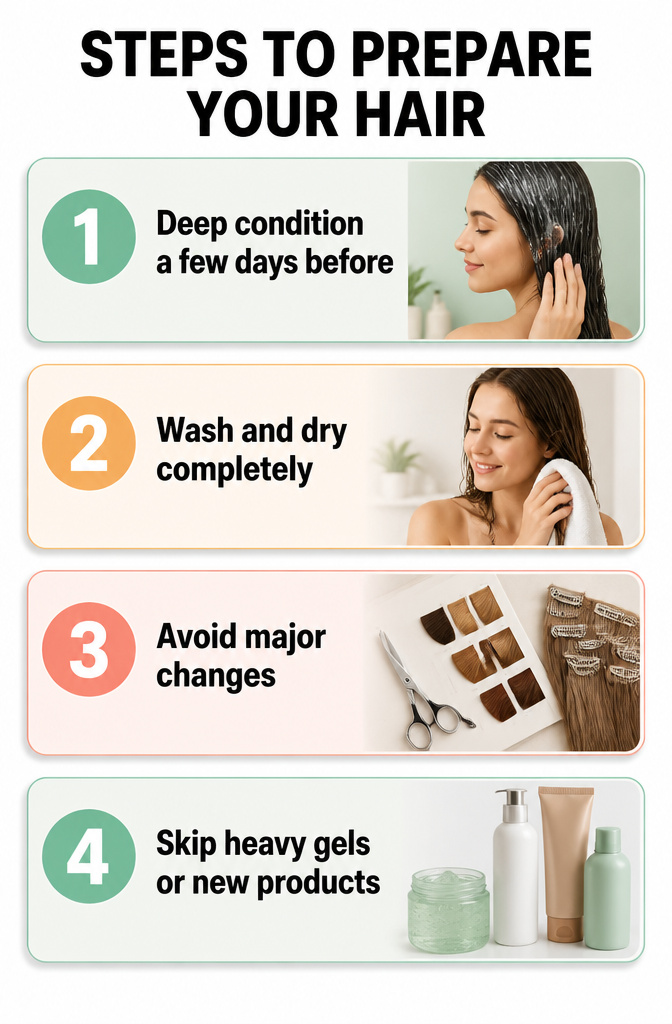
Healthy senior photo hairstyles start with the prep work, and the order matters more than most people think.
- Deep condition a few days before, not the morning of. I like to do this two or three days out so the treatment has time to settle without leaving any residue that could flatten volume or read greasy under studio lights.
- Wash with your usual products and dry completely. Stylists and photographers both want to work with clean, dry hair as their baseline, not hair that’s still damp at the roots or loaded with yesterday’s dry shampoo.
- Hold off on any major changes. That means no new cut, no fresh color, no extensions you’ve never worn, and no unfamiliar style you’re testing for the first time. Give yourself enough buffer to actually like the change, or enough time to fix it if you don’t. What "enough time" means depends on how dramatic the change is and how quickly your hair grows out, but the rule itself doesn’t bend: if you haven’t worn it for at least a couple of weeks, don’t debut it in front of the camera.
- Skip heavy gels or new frizz-control products you haven’t tested. Stick with what you already know behaves under light and doesn’t stiffen or separate.

MAKE WAVES - Beach waves and laid back curly hair are all time in fashion hair styles and our Level 3 sea salt hair spray can give you just that with some extra hair volume that is super soft and easy to put the hair brush on.
Working With a Stylist
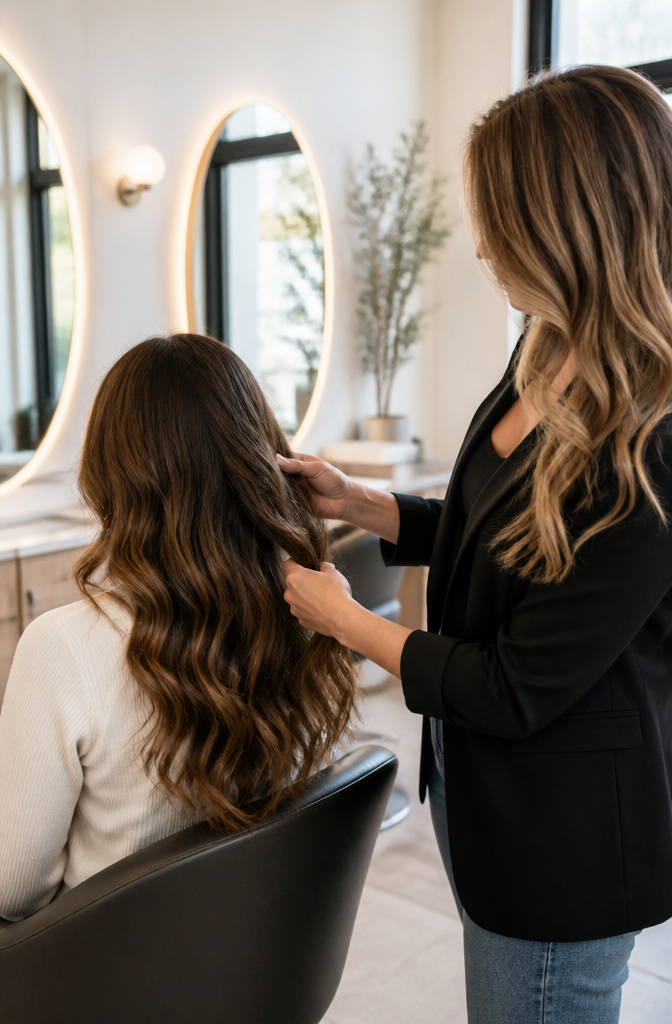
Sometimes the easiest way to settle on a senior photo hairstyle is to stop guessing and ask someone who looks at hair for a living. A professional stylist can evaluate your texture, density, and face shape in ways a mirror selfie won’t reveal, and that input matters most when you’re torn between two or three directions. I’ve watched friends go in with a Pinterest board full of loose waves and leave with a sleek half-up style that suited their jawline far better than anything they’d pinned.
"You can stick with your favorite style, but update it in little ways," says New York City-based stylist Mark Garrison. To make it work, consider your bone structure, hair type and preferred maintenance level.
That applies just as much at seventeen as it does at fifty. Bring photos of what you like, but stay open to tweaks: the cut you wear every day might photograph better with a subtle lift at the crown or a smoother finish than you usually bother with. A trial run two to four weeks before your session lets you live with the style, adjust the length or part, and walk into your appointment confident rather than experimental.
Coordinating Hair With Accessories and Makeup
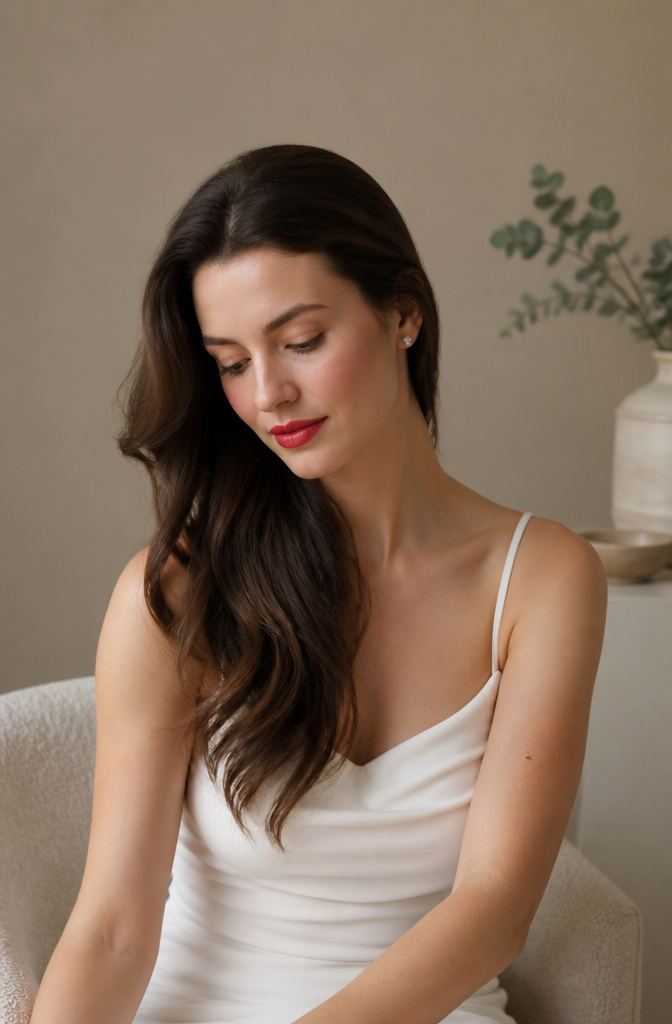
A statement earring or a bold lip can pull a portrait together, but it competes with your hair if both are fighting for attention. The camera flattens everything into one plane, so keep one element simple and let your face stay the focal point. That usually means choosing between a dramatic accessory and a dramatic style, not wearing both.
Clean, dry hair with a little natural texture or soft waves gives you breathing room. Heavy gels read stiff under studio lights, and stiff hair plus heavy makeup can look like a mask. I’d rather see someone show up with healthy, conditioned hair and barely-there makeup than the reverse. If you want a bright lip, pull the hair back or keep it sleek. If you want loose curls or a small braid near the face, skip the statement necklace and go easy on the blush.
The same rule applies to color. A new streak or temporary color that felt fun in the mirror can clash with your undertones once the flash hits. What feels like you in real life might read as a distraction in a still image, so test the full combination, hair and makeup together, a few days ahead.
Frequently Asked Questions
How can I make my hair look good in pictures?
Start with healthy, clean, and dry hair, then style it with loose curls, light waves, or a polished straight look. Skip heavy gels; they turn stiff or greasy under camera lights and freeze strands in place instead of letting them move naturally.
Are there any hairstyles I should avoid for my senior photos?
Avoid extremely trendy styles that will date your portrait within a few years, and steer clear of overly stiff or heavily gelled looks. These read unnatural on camera and do not move well during a session, while timeless styles stay readable across decades.
Can I change my hairstyle during my senior photo session?
Yes, and it is often practical to start with your hair down for flowing shots, then adjust into a ponytail, bun, or half-up style for variety. Many of these transitions need only a few pins or an elastic, so you get multiple looks without losing session time.