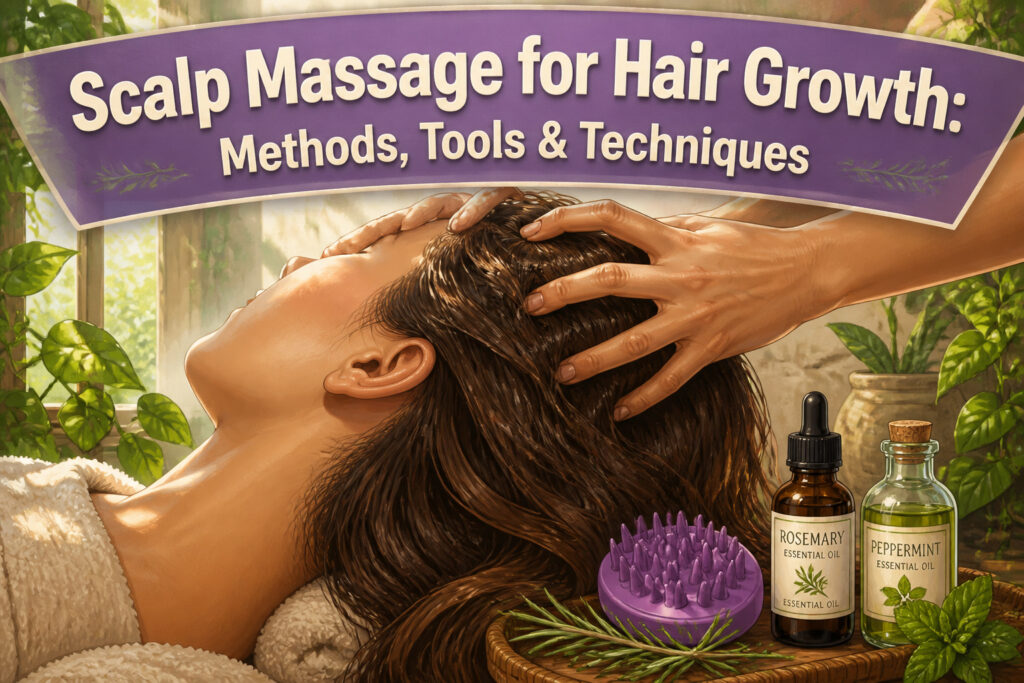
Scalp massage is deliberate pressure applied to the skin of the head to increase blood flow to hair follicles. It works best when done consistently with gentle force; too much pressure snaps strands and inflames the skin, which works against growth. One study tracked daily four-minute sessions and found an 8% increase in hair thickness after 24 weeks. You can use your fingertips, a silicone brush, or a handheld device, and adding rosemary or peppermint oil may strengthen the effect.
Fingertip Method
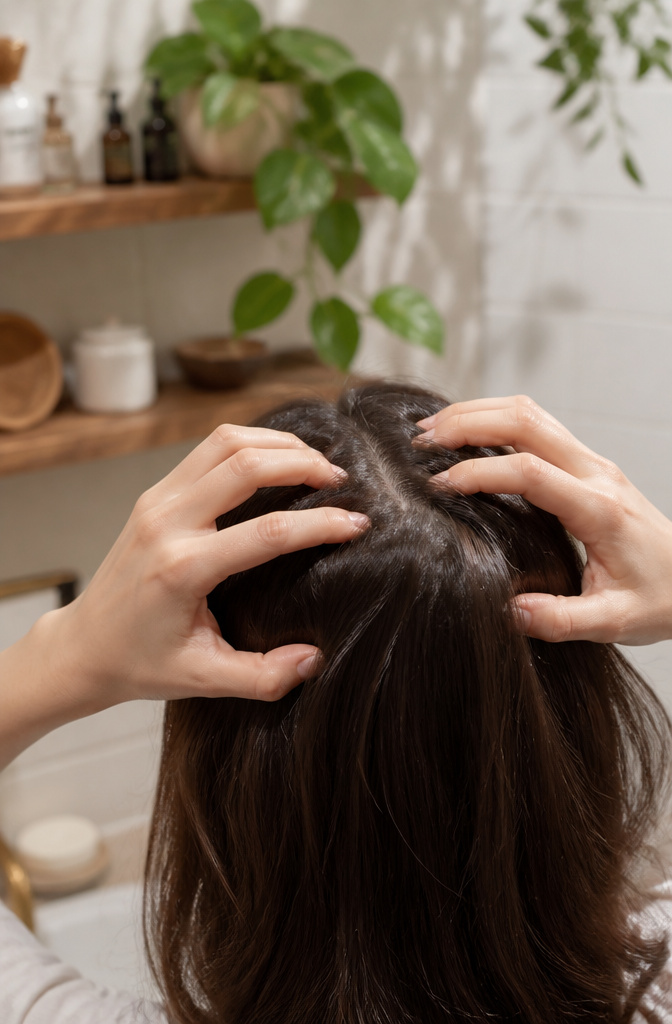
The fingertip method is where most people start, and for good reason: it works, it costs nothing, and you already own the tools. Place the pads of your fingers on your scalp, never your nails, and move in small circular motions. I start at the front hairline and work backward toward the crown, then the sides, until the whole scalp gets attention. Using both hands at once keeps the pressure balanced.
That gentle pressure matters more than you might think. Too much force can snap strands, which defeats the purpose entirely. The motion itself increases blood flow to the scalp by up to 120%, and that boost can last more than twenty minutes after you stop. More blood means more oxygen and nutrients reaching the follicles, plus the massage spreads sebum, your scalp’s natural oil, for healthier shine without extra products.
Five minutes daily is the usual recommendation. It is not complicated, but consistency turns a nice feeling into an actual habit that supports growth.
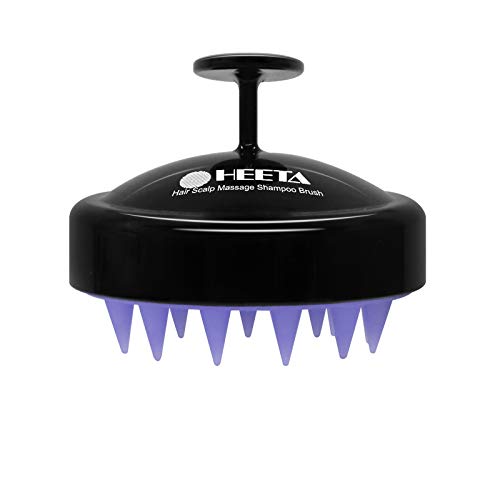
Hair Growth & Relaxation: This scalp massager refreshes the scalp for stronger and better-conditioned hair over time. Regular use also promotes relaxation, making it an ideal part of your daily self-care routine

ENHANCES BLOOD CIRCULATION AND HAIR GROWTH: Our Scalp Brush enhances blood circulation to the scalp, ensuring nutrients reach hair follicles by gently massaging and stimulating hair follicles for healthy hair growth.

Hair Growth & Relaxation: This scalp massager refreshes the scalp for stronger and better-conditioned hair over time. Regular use also promotes relaxation, making it an ideal part of your daily self-care routine
Tapping Method
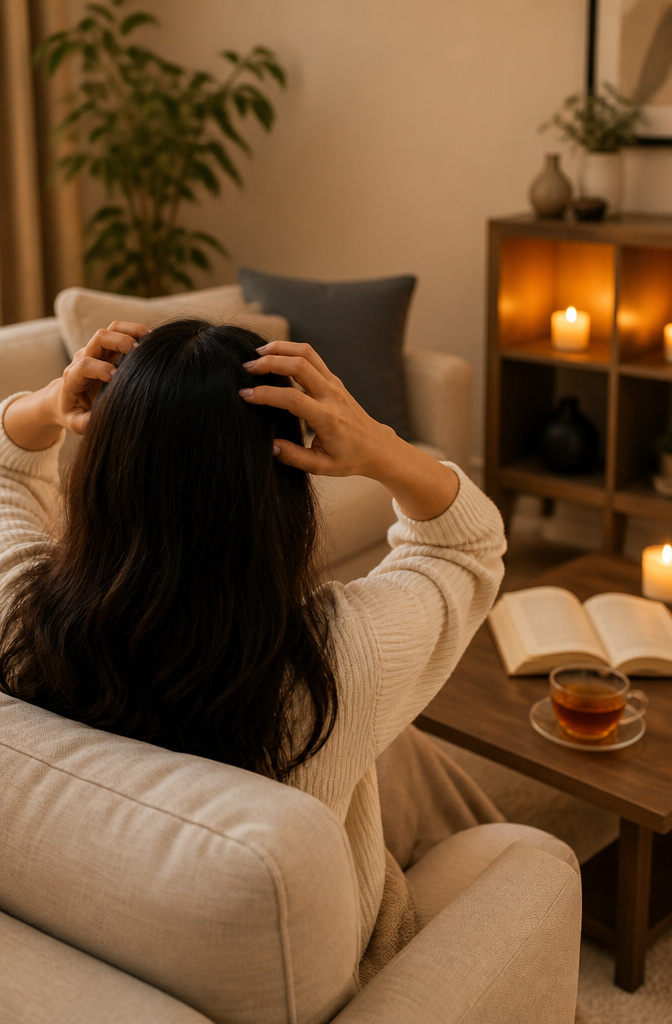
The tapping method is the gentlest way to work your scalp, and it is exactly what it sounds like. You use your fingertips to lightly tap across the entire scalp without pressing down, letting the quick contact stimulate nerve endings and boost circulation. There is no kneading, no circles, no drag on the hair shaft.
This makes it the obvious choice when your scalp is sensitive or your hair is fragile from processing, extensions, or recent treatment. The pressure of fingertip circles can feel like too much on tender skin, whereas tapping delivers a similar circulatory benefit without the strain. It also works well if you are dealing with tension headaches or just need something low-effort at the end of a long day.
You do not need oil or a tool. A few minutes of tapping while you watch TV or wind down before bed is enough to cover the main zones: the hairline, the crown, the temples, and the base of the skull. The motion is light, rhythmic, and easy to sustain.
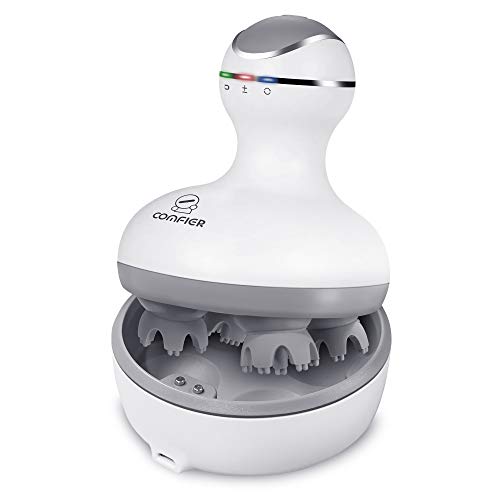
ELECTRIC SCALP MASSAGER WITH 4-HEAD KNEADING :COMFIER electric scalp massager features four rotating heads and 84 massage nodes that move clockwise and counterclockwise for a finger-like scalp massage. Choose from 2 speeds for daily relaxation, scalp care and your regular hair growth routine.

2-in-1 Dual-Head Design: This electric gua sha tool pairs a natural Bian stone gua sha head with a stainless steel scalp massage comb for face, body, and scalp care in one device. Glide the stone edge for jawline contouring, lymphatic drainage, and facial sculpting, then switch to the comb head to massage your scalp and relieve tension — a complete head-to-neck self-care routine.
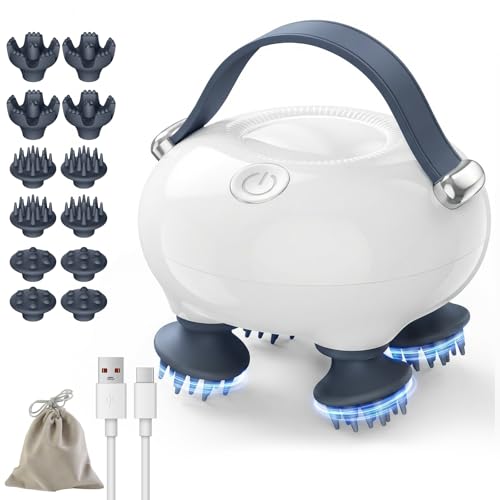
【Tangle-Free Design】 The scalp massager soft silicone massage heads gently touch your scalp, providing a comfortable head massager experience for both wet and dry use every time
Scalp Massage Tools
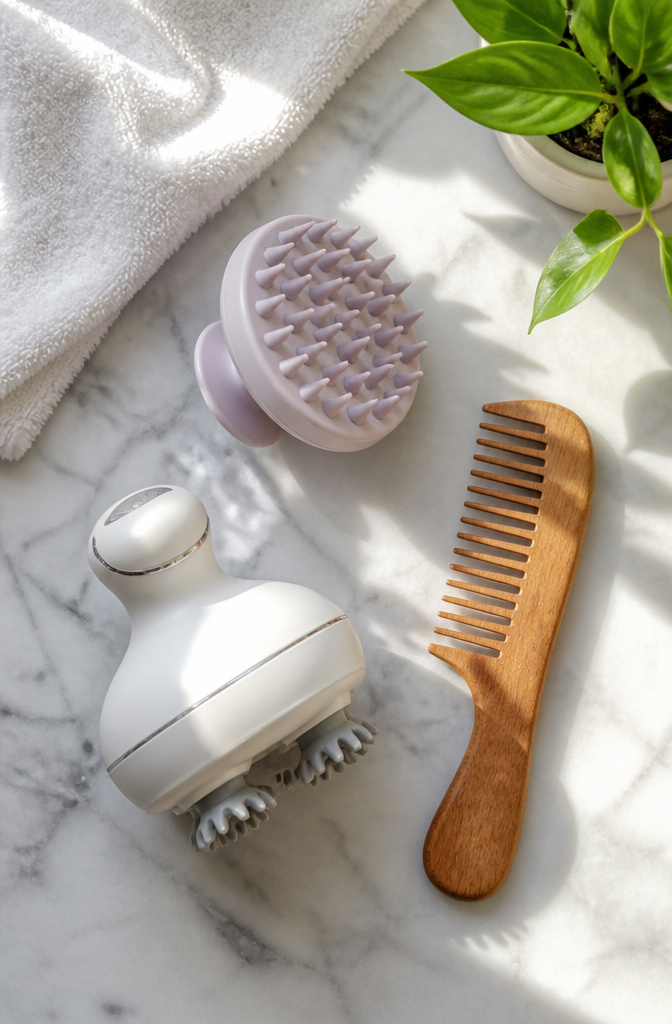
Silicone scalp brushes, electric massagers, and wooden combs each solve a different problem with the daily five-to-ten-minute routine. The real advantage is consistency: a tool applies even pressure without the hand fatigue that makes most people skip days. I have come to think of silicone brushes as the shower option. They exfoliate while you shampoo, which keeps follicles clear of buildup that blocks circulation. Electric handheld massagers mimic the motion of a professional session, and they cover more scalp faster when you are short on time. Wooden combs work for dry hair and distribute your natural oils, though they do less of the active stimulation the other tools provide. Battery-powered models with vibrating or rotating bristles sit at the higher end, and some pair massage with red light therapy for combined stimulation. The wrong tool is worse than none. Hard or sharp bristles irritate the scalp and can snap strands, so flexible tips matter more than brand names. Keep sessions to five or ten minutes, even with a device, because overdoing it inflames the skin and works against growth.

Massage Comb: Relax and rejuvenate with the Wooden Massage Comb Scalp Massager - the perfect tool for a soothing and invigorating scalp massage that helps promote hair growth and reduce stress.

【Wooden Massage Comb】- Scalp comb made of 100% natural premium sandalwood, with polished surface and smooth edge, safe to use for scalp and whole body

Scalp Massager Hair Growth: Crafted from an entire piece of sandalwood, well polished, smooth for skin, wooden scalp massager is comfortable to hold in hand, convenient to put in storage pouch for everyday use
Hair-Pulling Technique
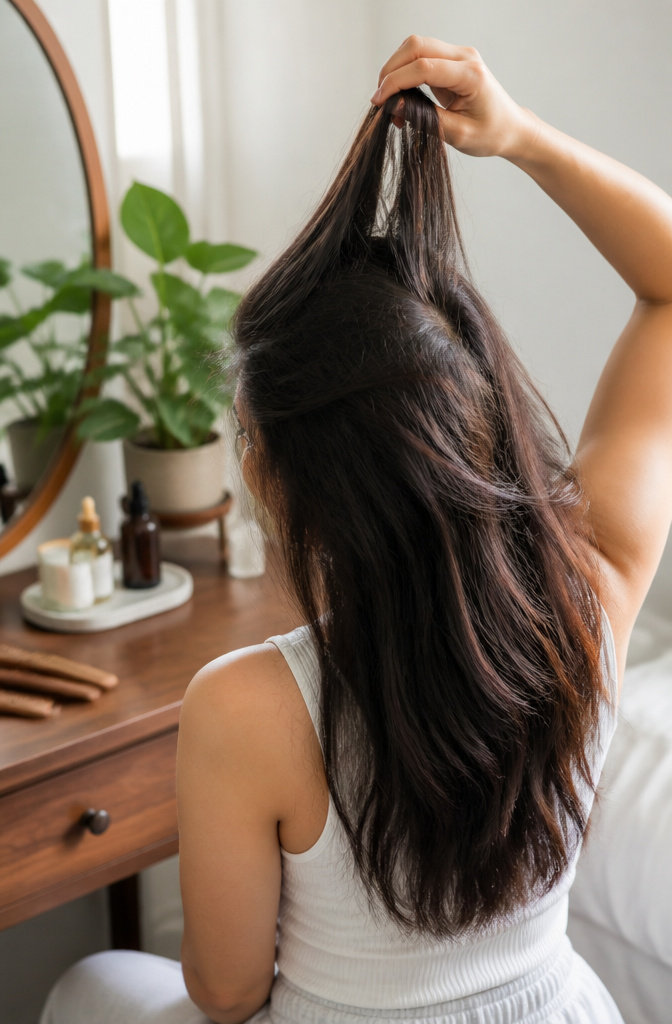
The hair-pulling technique sounds scarier than it is. Done right, it is just gentle tension on small sections near the roots, enough to wake up the follicles without stressing the strand.
I start with dry hair and work in patches. A half-inch section at the scalp, a soft but steady lift, then release. The pull should feel like a mild stretch, not a tug-of-war. If your hair is already damaged or breaking, skip this one until it strengthens; the technique works best on healthy strands that can handle the load.
The payoff is twofold: the lift stretches the tissue beneath the scalp, which improves blood supply to the root, and it releases the kind of chronic tension that quietly chokes circulation over time. Your scalp ends up feeling looser, almost like it can breathe better.
Rosemary or castor oil pairs well with this method. Work a few drops in first so your fingers glide instead of catching, and the oil gets a full session to sink in while you move section by section across the whole scalp.

Scalp Relaxation: Experience a lifelike massage with arboleaf 360° simulated human finger kneading head massager scalp stress relax, offering enhanced comfort and effectiveness. Long-term use of the hair massager helps in promoting overall well-being and recovery, also reducing muscle discomfort and soreness, increasing body flexibility and comfort.

【Professional Cordless Handheld Heat Massager】 : This is a barber pro handheld heat massager, provides a relaxing spot massage, perfect for barber shop shave facial scalp massage use. Also designed for household use, suitable for most people who needs to release tension use at home or trips travels

Improved Design: HEETA's hair brush has a unique gourd-like shape that fits comfortably in your hand. The groove design provides stability, making it easy to control and preventing slipping while in the shower. Additionally, the brush is lightweight and portable, nice for travel
Kneading and Pressing Method
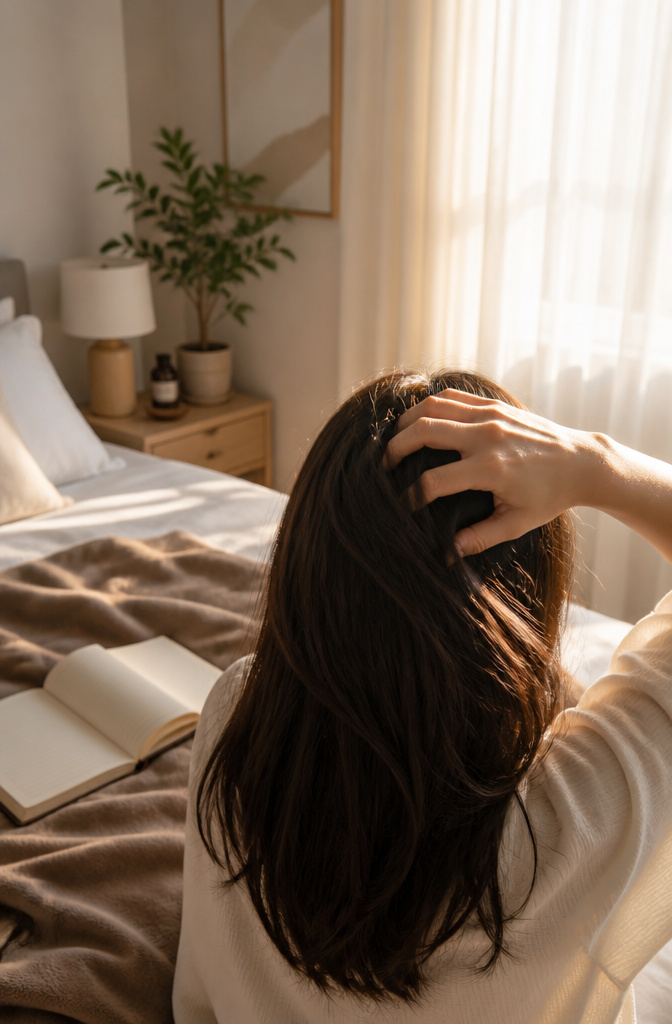
The kneading and pressing method works the scalp the way you would work bread dough or a friend’s tight shoulders. You apply gentle pressure with your fingertips, hold for a moment, then slowly release. Repeat this motion across the temples, crown, and base of the skull, where tension tends to pool.
This is the most spa-like of the techniques, and the pressure matters more than you might think. Gentle to moderate pressure promotes relaxation and better circulation; anything harder risks soreness and even damage to the hair follicle. The massage should feel relieving, not punishing. If you catch yourself bearing down, lighten up.
I like to do this before bed. The slow press-and-release calms the nervous system, drops stress hormones like cortisol, and the improved blood flow creates a healthier environment for growth while you sleep. Combining it with small circular motions or light tapping afterward gives more thorough stimulation, but the kneading alone is enough on nights when you are too tired for a longer routine.
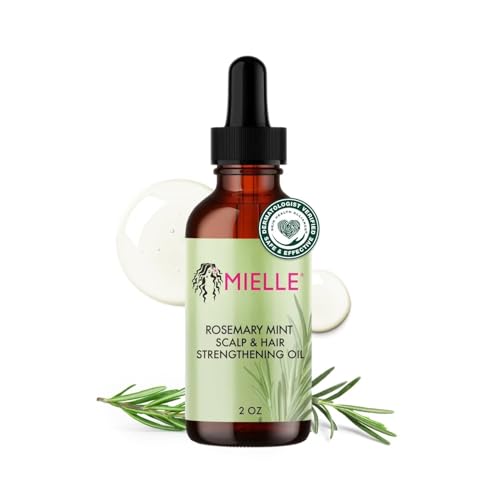
Award-Winning Treatment - Our Rosemary Mint Scalp and Hair Oil is a nutrient-rich, intensive formula that blends biotin, mint, and essential oils including castor, tea tree, jojoba, coconut, and peppermint oil. This nourishing treatment supports a dry scalp and helps fortify strands from root to tip.

100% PURE & NATURAL CASTOR OIL IN PLASTIC BOTTLE: Our castor carrier oil is used for essential oils mixing, hair care skin care, aromatherapy massage and has endless uses. Expeller-Pressed and Hexane-Free.

Award-Winning Treatment - The lighter version of our Rosemary Mint Scalp and Hair Oil, a nutrient-rich, intensive blend that blends biotin, mint, and essential oils, including castor, tea tree, jojoba, coconut, and peppermint oil. This nourishing treatment supports a dry scalp and helps fortify strands from root to tip.
Essential Oils
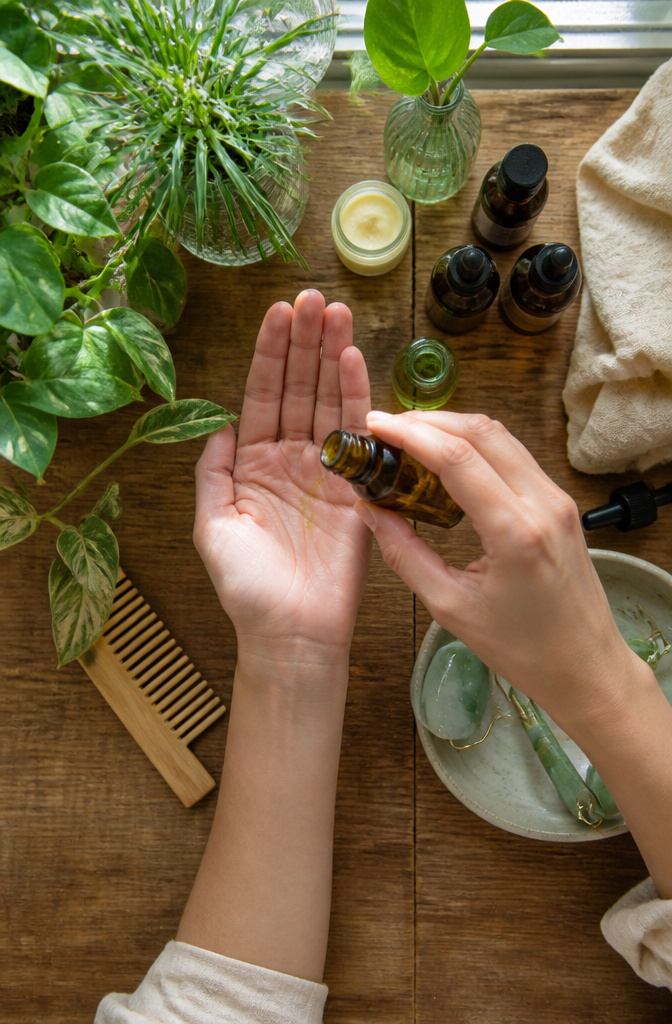
A few drops of essential oil can turn a basic scalp massage into something that actually feeds the hair while you work. Rosemary and peppermint are the two worth reaching for first if growth is the goal. Rosemary has a reputation for stimulating circulation at the root, and peppermint carries a cooling bite that wakes up the follicles. There’s even a 2014 animal study on peppermint oil showing it increased both follicle number and depth, which is more than most ingredients can claim.
Beyond the benefits to growth, oil gives your fingers or tool something to glide over. Dry scalp massage creates friction that can stress the skin and even pull at fragile hairs. A thin layer of oil, whether it’s rosemary, peppermint, or a carrier like jojoba, lets you maintain steady pressure without that drag.
Patch test any new oil on a small skin area before you commit your whole scalp. Reactions are uncommon but not worth the risk. Once you know you’re clear, two or three drops warmed between your palms is plenty to start.

DUAL-SIDED DESIGN: Features soft silicone bristles on one side for gentle scalp massage and detangling teeth on the other side for smooth hair combing

Scalp massage: This soft silicone scalp massager can massage the scalp, promote the blood circulation of the scalp, relax the scalp muscles, improve the health of the scalp, help hair growth reduce dandruff and cuticles, scalp massager not only can be used in the shower, for scalp massage oil or hair growth oil and scalp relaxation before going to bed is a good choice.

Wheat Straw Scalp Massager: Our shampoo brush is made of wheat straw and food-grade silicone, which is safe and harmless. Wheat straw is a natural, zero-waste material, and will not cause harm to the human body and nature. Compared with ordinary plastic material, this material is safer and more secure
What Scalp Massage Does for Hair Growth
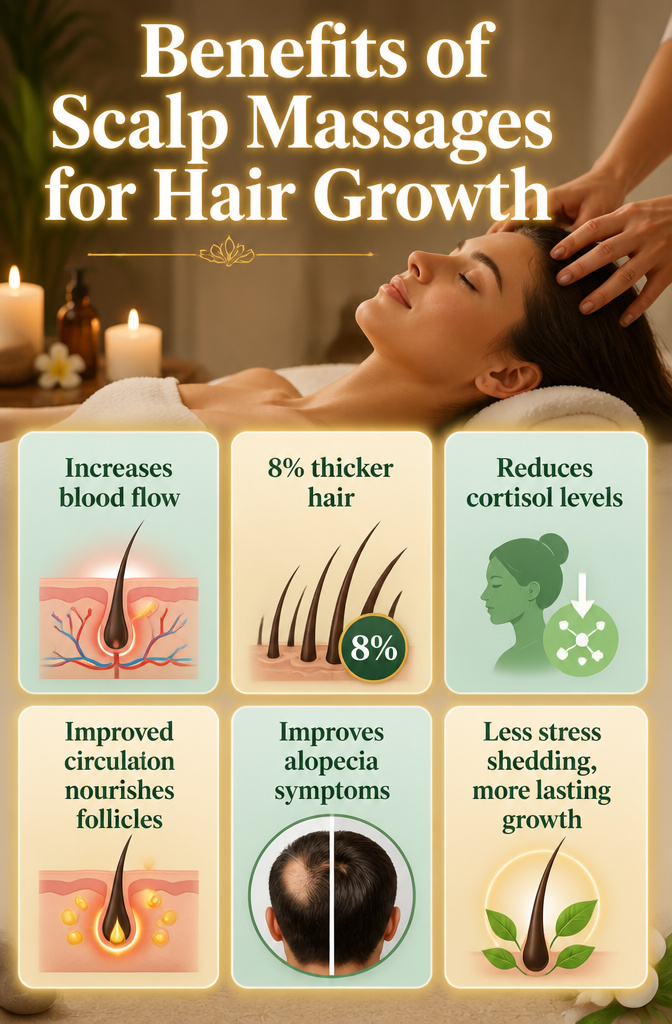
Scalp massage works by getting blood moving where your hair needs it. The pressure and motion dilate blood vessels beneath the skin, which sends more oxygen and nutrients straight to the follicles. Over time, that improved circulation can wake up dormant follicles and help strands grow in thicker. One study tracked regular scalp massages for 24 weeks and found an 8% increase in hair thickness by the end. Another survey found that 69% of participants saw their alopecia improve after sticking with a massage regimen.
The benefits aren’t just physical. Scalp massage lowers cortisol, the stress hormone that spikes when you’re running on empty. High cortisol doesn’t just feel bad; it can slow the production of compounds your follicles need by around 40%, which throws off the normal growth cycle. When cortisol drops, that damage eases up. Less stress-related shedding means the new growth from better circulation actually sticks around instead of falling out faster than it comes in.

Relaxing Scalp Massage: Comfier electric scalp massager is equipped with four massage heads with 28 individual nodes each which rotates both in clockwise and anti-clockwise direction giving you a soothing massage to help stimulate hair growth, increase blood circulation to the scalp and relief stress.

【3-in-1 Professional Care】This scalp massager combines 72 massage bristles and 6 oil-dispensing roller balls, delivering deep scalp stimulation while evenly distributing serums. It enhances serum absorption far better than manual massage, allowing the formula to work more effectively on your scalp.
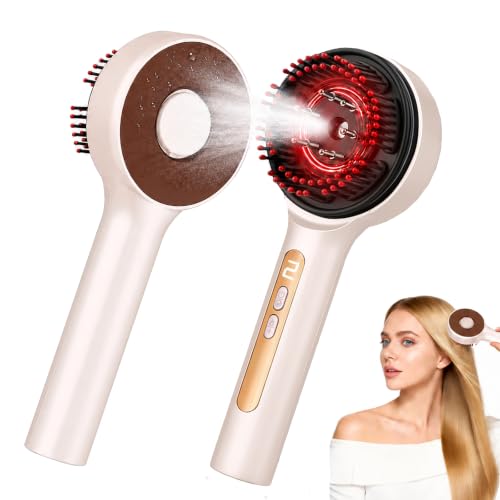
【3-in-1 Scalp Care with Nano Mist Technology】This versatile electric scalp massager combines a hair oil applicator, scalp scrubber, and nano mist spray in one device. The ultra-fine mist helps evenly distribute hair oils and serums, improving absorption without greasiness or waste—perfect for a cleaner, more effective daily scalp care routine.
How Often and How Long
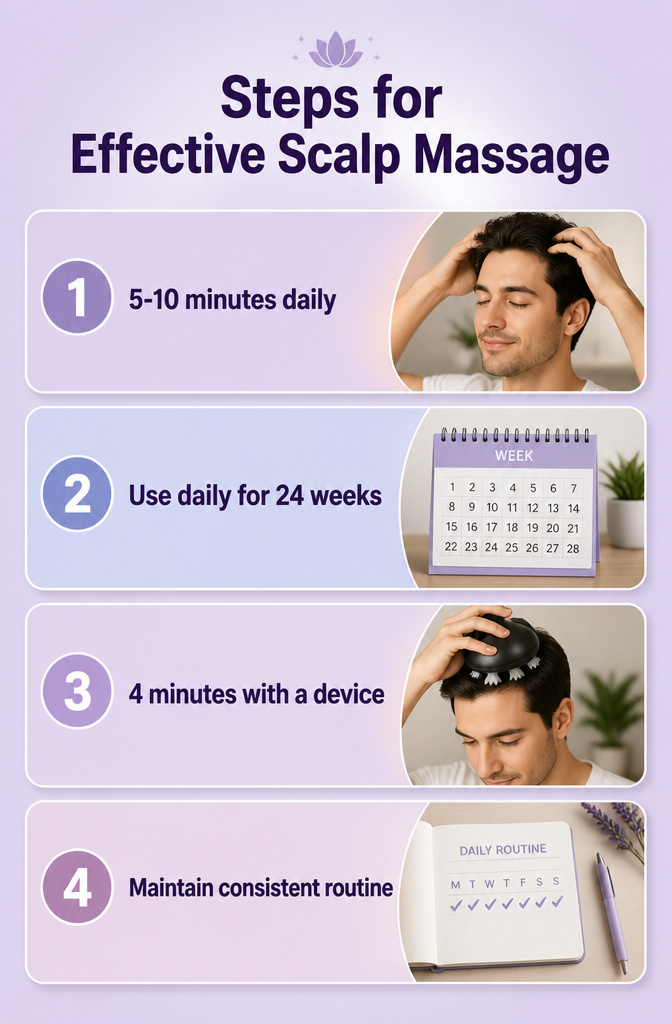
Most sources point to 5–10 minutes daily as the sweet spot for scalp massage if you are chasing measurable hair growth. That rhythm gives follicles steady stimulation without eating up your morning. A small standardized study tracked nine men who used a scalp massage device for exactly 4 minutes each day, and after 24 weeks the massaged side showed increased hair thickness compared to the untouched control area. The device ran at 170 rpm, which is faster than most of us move our fingers, but the takeaway holds: regular, repeated contact matters more than intensity.
A more rigorous study in which nine men received a daily scalp massage found an increase in individual hair thickness at the end of six months.
So the evidence is promising but not enormous, and the window for seeing change is months, not weeks.
If daily feels impossible, several times a week still helps. The blood flow boost from a single session fades, so spacing them out slows progress but does not erase it. What kills results is the stop-start routine where you forget for two weeks, panic, then grind for an hour. Consistency beats duration every time.

Wooden massage comb: Our head massage comb is made of sandalwood and emits a slight fragrance. The surface of the comb is polished and very round and smooth, and will not scratch the skin

Perfect Head Massager : The CKCLGTDM head massage design is very intimate, is suitable for the scalp gua sha, and provides a delicate and comfortable massage experience on the face, around the eyes and head and neck. Whether it is soothing the scalp or relaxing the face, it is very practical.The two different combs provide different massage supports.

Wide Use Massage: The natural gold wire sandalwood comb works well on the head, neck, shoulders, hands and arms, reducing your stress and energetic, easier to stimulate the acupoints and achieve the effect of head & body massage
Self-Massage for Overall Health
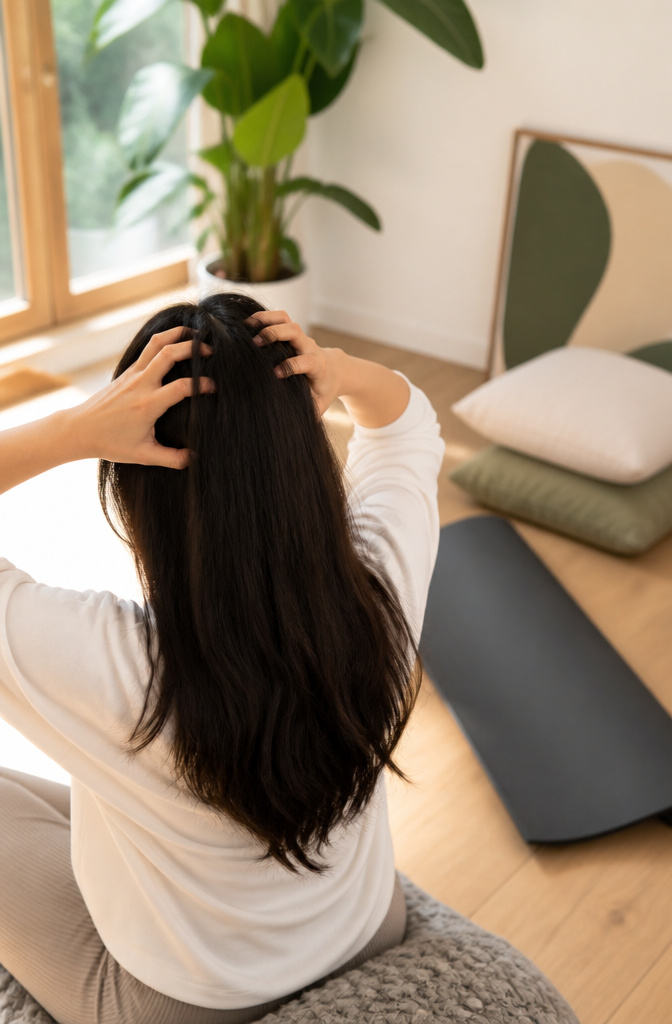
Self-massage does more than feel good. It gets blood moving and supports lymphatic flow through the body, which matters whether you are working on your scalp, your shoulders, or your calves. Better circulation means tissues get more oxygen and waste clears faster, and that baseline health shows up in skin and hair over time.
The hair-specific angle comes down to mechanobiology, the study of how physical pressure changes cells. A 2016 study used a device to apply scalp massage for four minutes daily across twenty-four weeks. Hair thickness increased from 0.085 ± 0.003 mm to 0.092 ± 0.001 mm. Lab work on stretched dermal papilla cells showed 2,655 genes upregulated and 2,823 downregulated, including hair cycle genes like NOGGIN and BMP4. The mechanical force of massage literally shifted how those cells expressed themselves.
That is a small study, nine men, and self-reported results in other research are hard to verify. But the mechanism is real: pressure becomes cellular signal becomes tissue change. You do not need a device to get there. Your fingertips apply the same fundamental force.
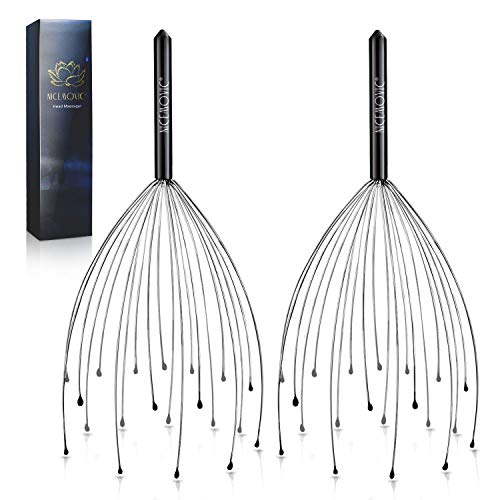
【Christmas Stocking Stuffers for Women Men and Kids】 NICEMOVIC head scalp massager offers unique gift package, head massager is a gift that can bring comfort to anyone, young and old, it is a great holiday gift choice, can be used as a gift for various holidays, such as Christmas, Thanksgiving, Mother's Day, Father's Day and so on.

RELAXING SCALP MASSAGE: Handheld head and temple tool designed to create soothing tingling sensations

【Easy-to-Hold Handle & Gentle Silicone Claws】Featuring an ergonomic handle designed for a natural and comfortable grip, this Comfier scalp massage tool fits perfectly in your hand and glides effortlessly across the entire scalp with comb-like ease. Its compact size and eight ultra-soft silicone claws make it ideal for regular use—promoting not only deep relaxation but also contributing over time to healthier, fuller-looking hair.【2026】Gift for Men,women
What to Watch Out For
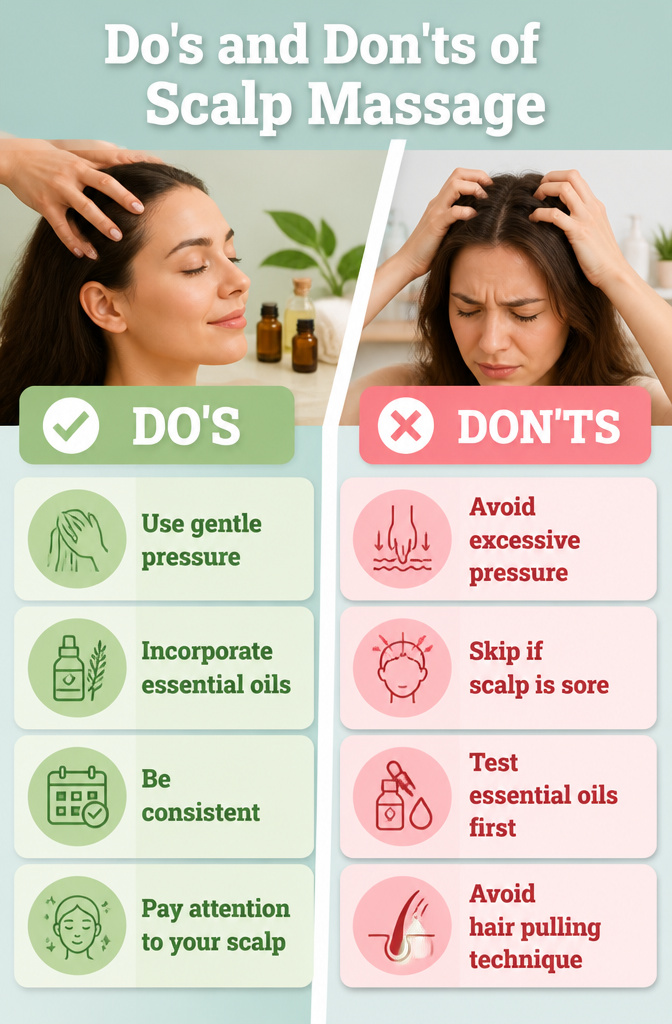
Scalp massage is low-risk, but a few habits can backfire. Too much pressure or too many sessions can leave the scalp sore and irritated, and in some cases the follicles themselves take a hit. Cheap massagers and aggressive scrubbing are usually the culprits.
Essential oils add another variable. Peppermint, rosemary, lavender, and tea tree oil all turn up in scalp routines, yet any of them can trigger an allergic reaction. A patch test on a small skin area first is the sensible move.
The hair-pulling technique, when done gently, is meant to stimulate circulation, but yanking too hard weakens strands that are already damaged. If your hair is brittle, skip this one until it recovers.
Redness, pain, or a noticeable increase in shedding are clear signals to stop and let the scalp settle. Most of these issues are avoidable with lighter pressure, fewer passes, and paying attention to how your skin responds.

DAILY DOSE OF SCALP STRENGTH: SheaMoisture Rosemary & Vegan Collagen Strengthening Scalp & Hair Oil locks in hydration and protects the scalp to improve the scalp barrier, helping strengthen hair and maintain its length due to reduced breakage.

Rosemary Scalp & Strand Hair Oil - A nutrient-rich, nourishing formula that blends Biotin and Jojoba. Dermatologically Tested, Non-GMO, Paraben-Free, Sulfate-Free, Safe for Sensitive Skin, Cruelty-Free, Vegan.

ROSEMARY MINT OIL BLEND: Infused with rosemary and mint oils, this nourishing hair oil blend helps support healthier-looking hair while revitalizing the scalp with a refreshing, invigorating feel.
Frequently Asked Questions
Can scalp massage help with hair growth?
Yes. Regular scalp massage dilates blood vessels beneath the skin, sending more oxygen and nutrients to the follicles. One study found an 8% increase in hair thickness after 24 weeks of consistent massage, and another survey found that 69% of participants saw their alopecia improve.
How long should I massage my scalp for hair growth?
Five to ten minutes daily is the usual recommendation. A small study tracking nine men who used a scalp massage device for exactly 4 minutes daily found increased hair thickness after 24 weeks, and the blood flow boost from massage can last more than twenty minutes after you stop.
What are the best oils to use when massaging the scalp?
Rosemary and peppermint are the two worth reaching for first if growth is the goal. Rosemary stimulates circulation at the root, and a 2014 animal study on peppermint oil showed it increased both follicle number and depth. Jojoba works well as a carrier oil to reduce friction during the massage.
How often should you do a scalp massage for hair growth?
Daily massages are ideal, but several times a week still helps. The blood flow boost from a single session fades, so spacing them out slows progress without erasing it. Consistency matters more than intensity; what kills results is the stop-start routine where you skip weeks and then overdo it.