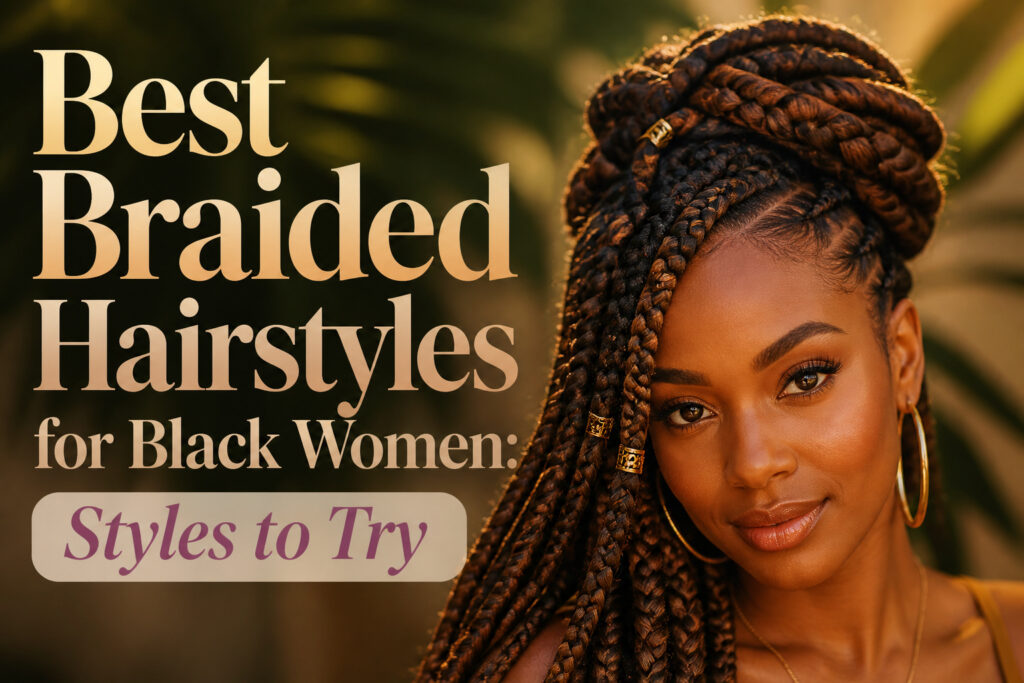
Braided hairstyles are protective styles that tuck natural hair into interwoven patterns, giving Black women length, volume, and weeks of low-maintenance wear. The catch is choosing the right technique: knotless braids feed extensions in gradually for less scalp tension, while traditional box braids anchor with a tight knot that can throb for days. With sixteen distinct styles ranging from micro braids that take twelve hours to install to jumbo braids that clock in under two, the best braided hairstyle for you depends on your scalp sensitivity, your schedule, and how much weight your edges can handle.
1. Box Braids
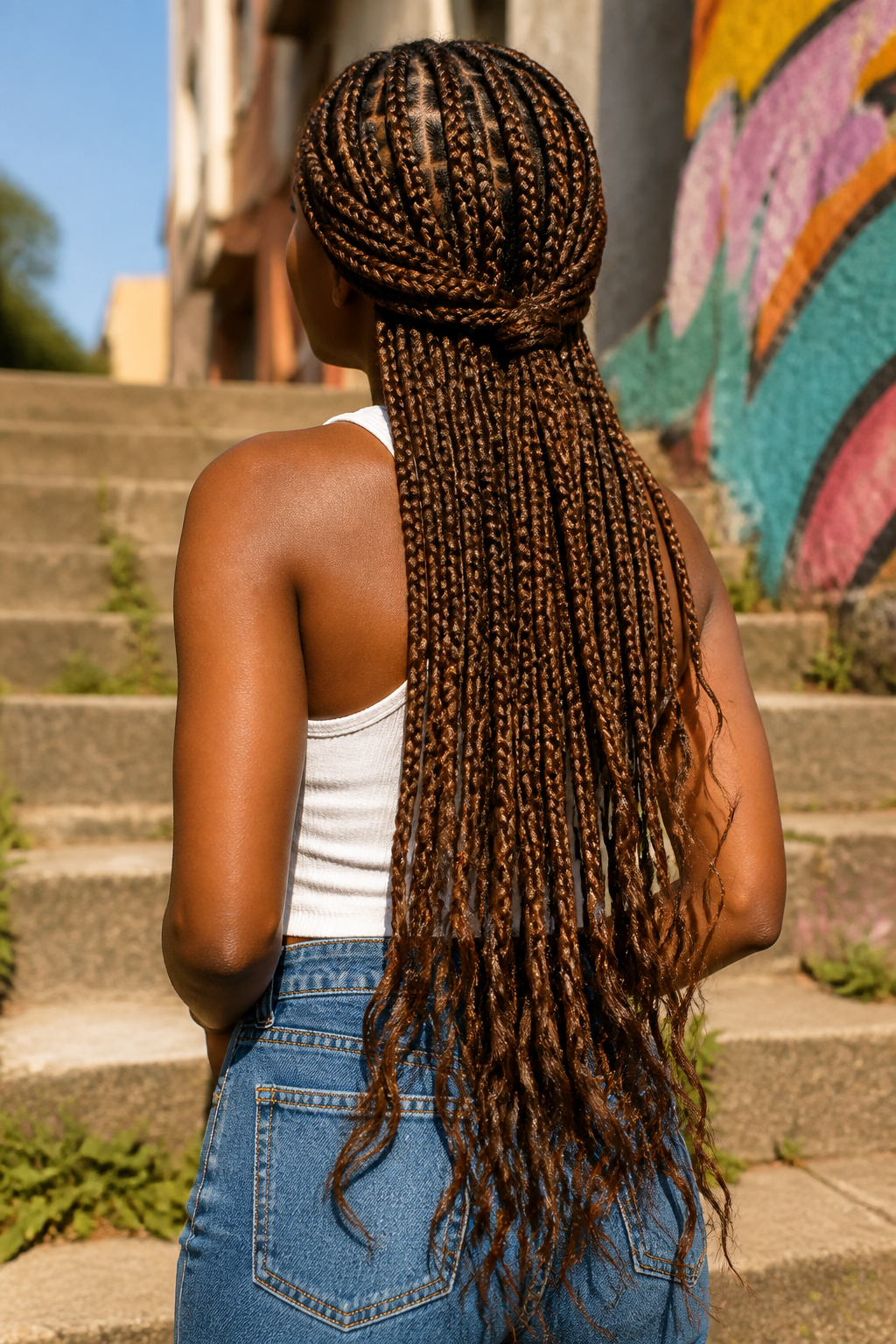
Box braids start with hair sectioned into small, square-shaped parts, each one braided from the root down with extensions woven in for length and volume. That clean, uniform grid is what gives them their name, and it is also what makes them so easy to style: the braids fall predictably whether you wear them loose, pulled back, or piled up.
The style has stayed in rotation for decades because it strikes a practical balance. Your natural hair is tucked away and protected, but the finished look still gives you plenty of options for length and thickness. Most people get six to eight weeks of wear before a takedown is necessary, though the exact timing depends on how fast your hair grows and how well you maintain the edges.
Nearly any hair type can carry box braids, but the style especially suits Black women with textured hair because the grip and structure hold securely without slipping. Jumbo sizes make a bolder statement with fewer braids overall, while micro braids create a more intricate, delicate finish. Knotless box braids, which start with your natural hair and feed extensions in gradually, have become the go-to for anyone who wants less tension at the scalp and a more natural root line.
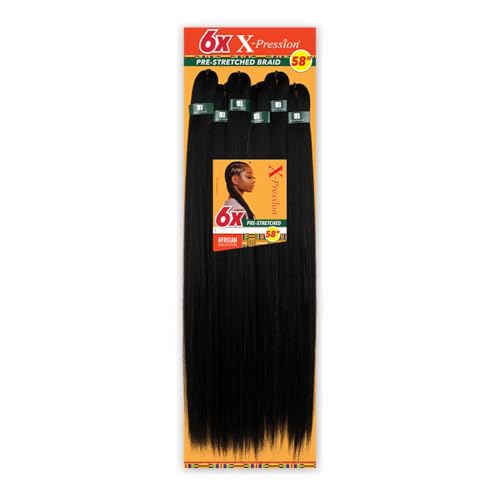
Brand: Sensationnel X-PRESSION pre stretched pre layered flame retardant synthetic braiding hair extension

【Goddess Box Braids Crochet Hair Material】 Boho crochet box braids with curly ends are 100% handmade 3X crochet braids, made of high quality flame-retardant low temperature synthetic fiber, Pre Looped goddess box braids crochet hair for black women.
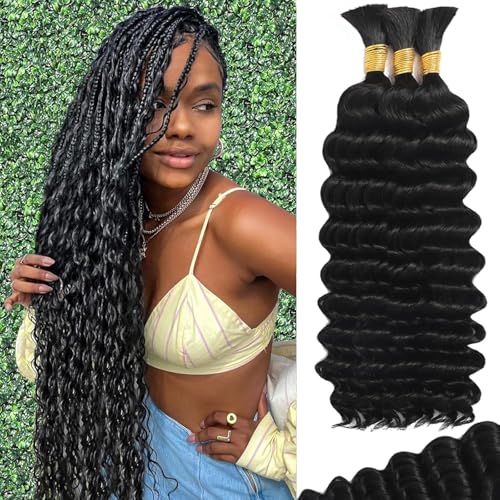
Premium Quality: 100% Unprocessed Brazilian remy virgin curly human hair for boho braids, smooth, soft, bouncy, glossy, no pleated, easy to manage, tangle free, no falls out (no under 6" short hair) and good dyeing and ironing properties. Carefree enjoy the perfect braids with our curly braiding hair, which is very durable and long-lasting, ensures you can confidently wear these boho hair without worrying about premature damage or shedding.
2. Knotless Braids
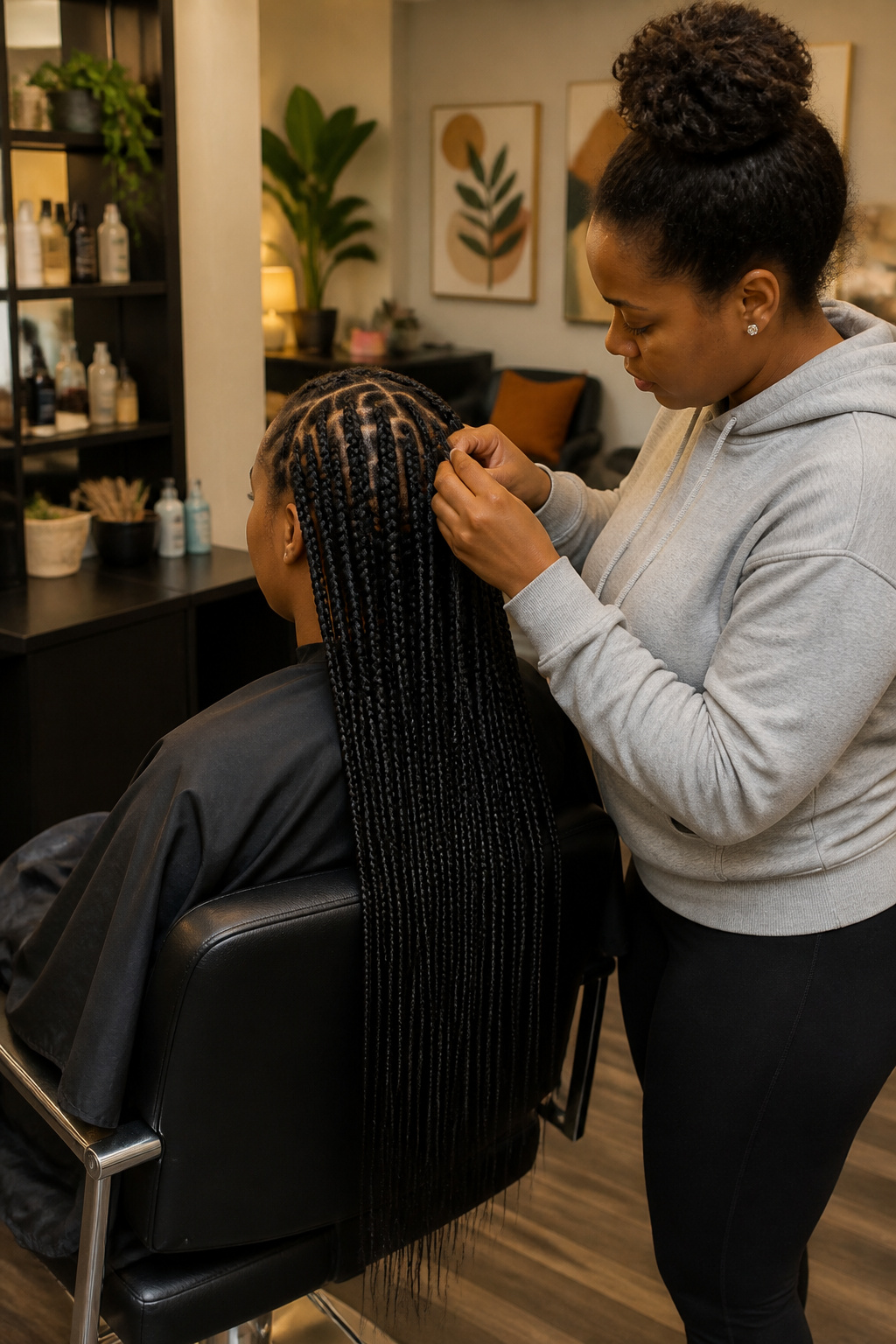
Knotless braids start with your natural hair and gradually feed in extensions, which removes the tight knot at the root that traditional box braids create. That difference matters more than you’d think. The knot-free base means less tension on the scalp, and over the weeks you wear them, that translates to less breakage and less of the throbbing tightness that can make fresh braids hard to sleep on.
The install itself takes longer because the stylist is working the extensions in bit by bit rather than anchoring with a knot and braiding down. You’re sitting in the chair a while longer, but the finished look is lighter and moves more naturally. There’s no bulky bump where the braid begins, so styles like high ponytails or half-up looks sit flatter against your head.
For me, the real win is how they feel after the first wash. Traditional braids can loosen and frizz at that knot point; knotless braids keep their neatness longer because the tension was never concentrated there to begin with. If your scalp is sensitive or you’re trying to grow out your edges, this is the method I’d ask for first.

Brand: Sensationnel X-PRESSION pre stretched pre layered flame retardant synthetic braiding hair extension
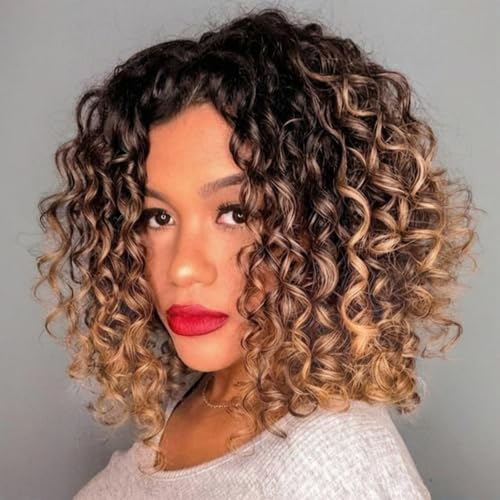
NEW DESIGN: The top is a short section of braids.Easier installation and shedding free. Made of high quality Synthetic Fiber, Human Friendly, No Smell, No itching.

Eerya Goddess Box Braids Crochet Hair: Bohemian Crochet Braids Box Braids Crochet Hair Boho Box Braids, Made of High Quality Synthetic Fiber, 100% Handmade 3X Smedium Box Braids Crochet Braids Hair Extensions.
3. Cornrows
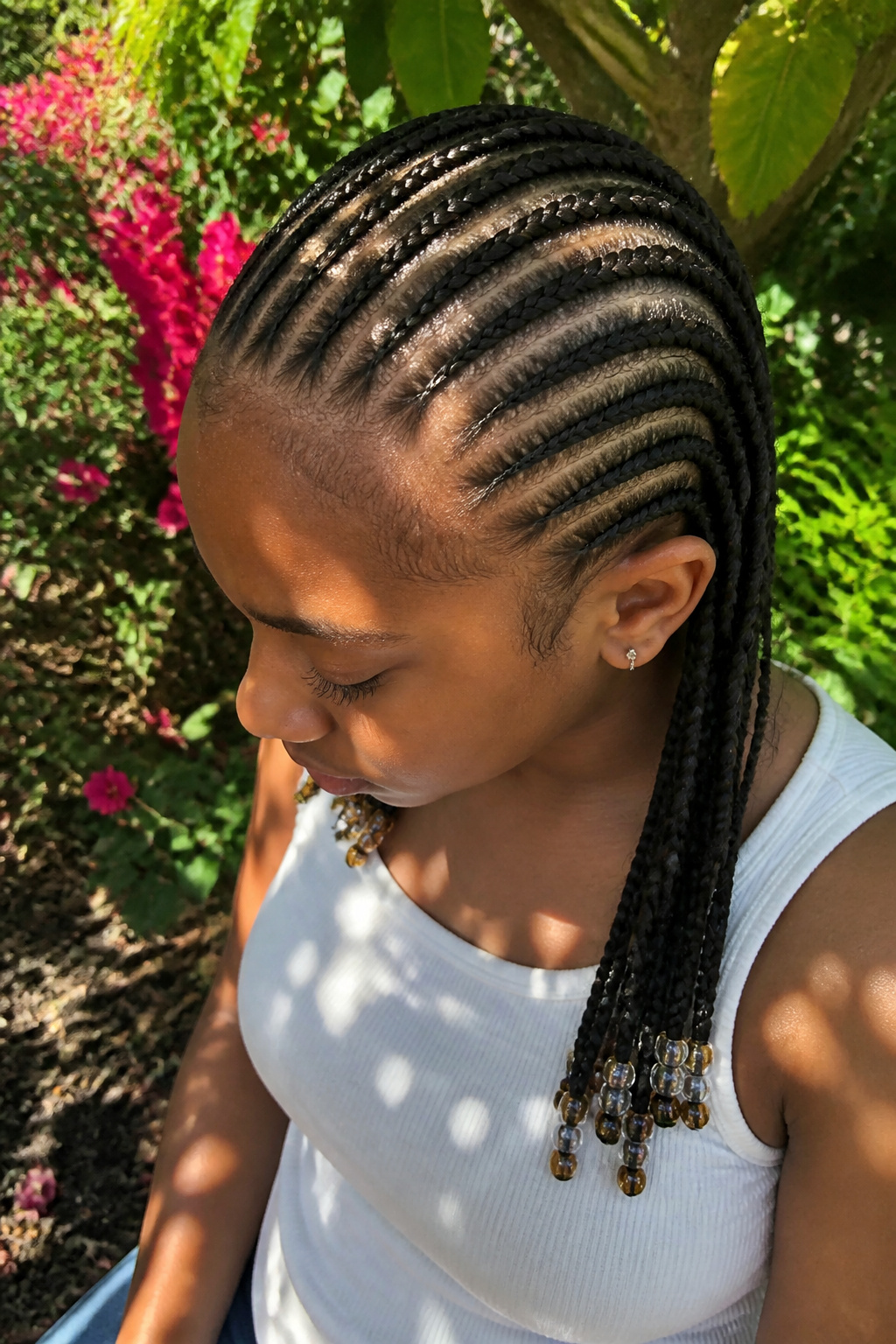
Cornrows sit right against the scalp, each braid a continuous, raised row that follows whatever pattern the braider maps out. That closeness is what makes them so versatile. A simple straight-back style takes maybe an hour and stays neat for weeks, while complex geometric patterns turn the whole head into something closer to artwork.
What convinced me, looking through style after style, is how cornrows function as both endpoint and starting line. Wear them finished and they are the look. But they also create the ideal foundation for crochet braids, since the flat, uniform rows give looped extensions something secure to grip. No bulk, no slippage.
The range runs from two thick boxer-style braids swept back on either side, to the side-parted sweep Beyoncé made famous, to feed-in techniques that gradually add extension hair so the braid looks like it’s growing straight from the scalp. Feed-ins cost more in time and in the braider’s skill, but the payoff is a hairline that doesn’t scream "addition."
For anyone who wants a protective style that can stay simple or go intricate, cornrows are the workhorse that does both.
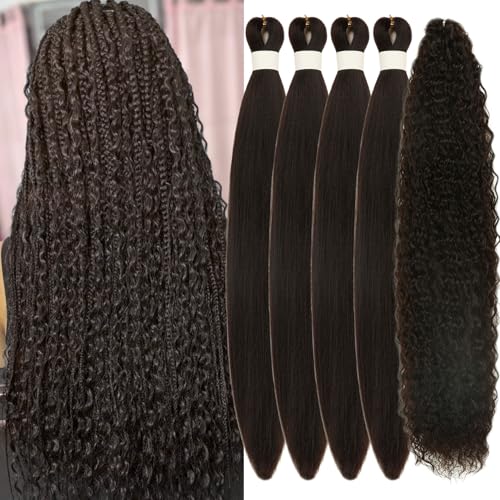
Dark Brown Boho Braids Set,Packs of 4 26 Inch Pre Stretched EZ Braids and Pack of 1 24 Inch Micro Curly Deep Wave Braiding Hair,Totaly 5 Packs,Weight 1.10 LB

Easy Braid Pre Stretched Braiding Hair Ombre is Soft, It Looks Very Natural as Human Hair for Braiding. Pre-Stretched Pre Sectioned Pre Separated Braiding Hair for More Lightness, And Not Tangle, No Odor, Sweat Resistant, Itch Free, Knotless.

Ombre Braiding Hair Pre Stretched to Save on Prep Time, Pre-Layered for a Natural, Finished Style.
4. Goddess Braids
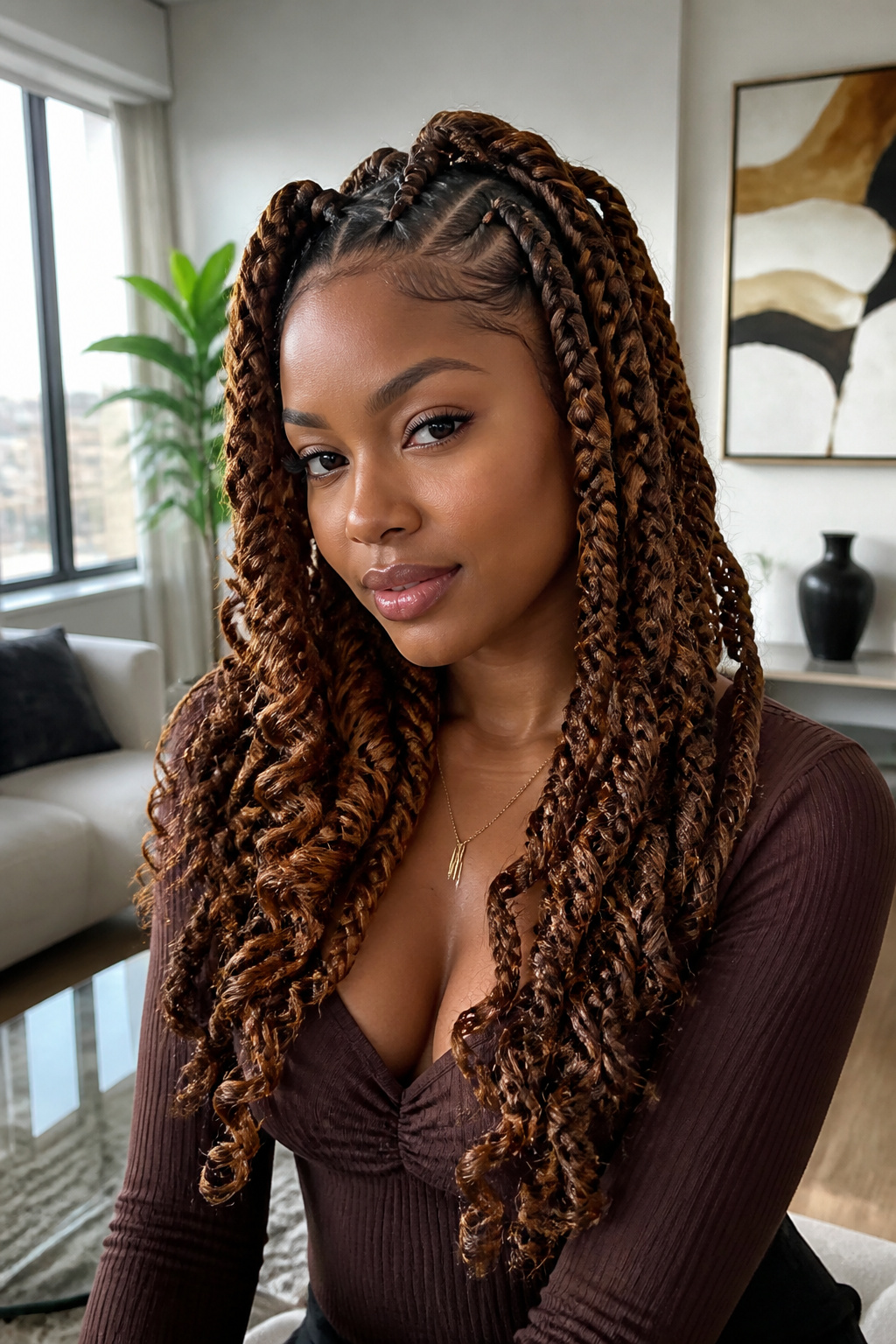
Goddess braids take the cornrow base and make it larger, more elevated, and distinctly dressed-up. Where regular cornrows sit close to the scalp in tight, uniform rows, goddess braids are chunky and raised, with deliberate volume built in from the start. The real signature is at the ends: instead of braiding all the way down, the style finishes in loose curls or waves that hang free, giving the whole look a soft, romantic movement that reads as anything but everyday.
That contrast between the neat, sculpted top and the flowing ends is what earns the name. The braids themselves serve as a kind of crown or frame, while the curly extensions below do the dramatic work. You will see this style pulled into updos for formal events, but it works worn down too, the waves adding texture that regular cornrows simply do not have.
Maintenance sits in the middle ground. The braids take moderate time to install and remove, and the scalp underneath still needs regular moisture to stay healthy, especially with the tension that comes from thicker sections. The payoff is a protective style that feels occasion-ready without extra effort, the kind of thing that carries straight from a busy workweek into vacation photos without a touch-up.

❤️Hair Material: Top Quality High Temperature Fiber, Heat Resistant Fiber, Human-Made Synthetic Hair.

Advanced Heat Resistant synthetic fiber,Smooth, Soft and Durable. Easy to grab, braid and twist. NO Split. No Shedding.

❤️Hair Material: Top Quality High Temperature Fiber, Heat Resistant Fiber, Synthetic Hair.
5. Fulani Braids
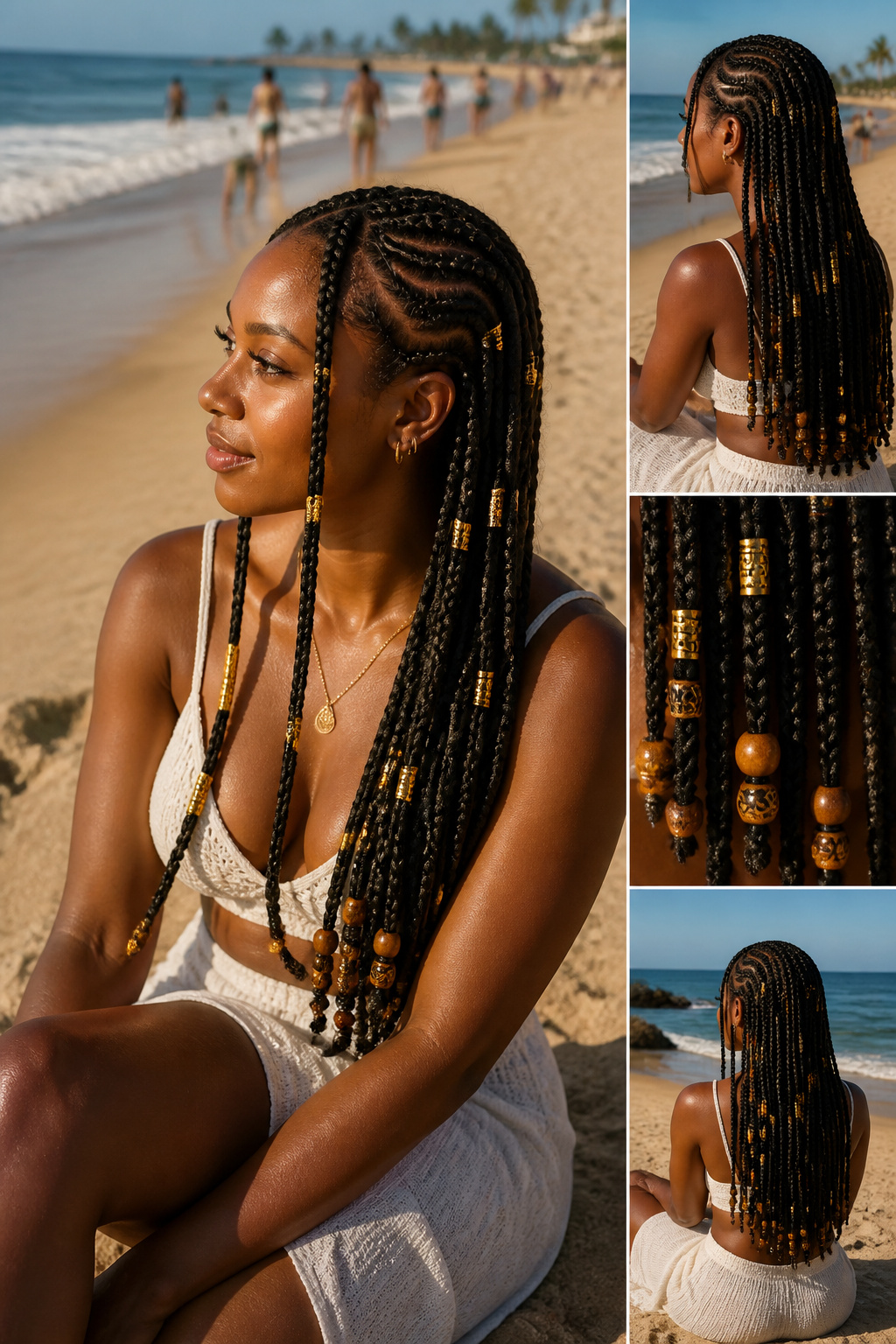
Fulani braids blend cornrows braided close to the scalp with loose, free-hanging braids or twists, usually with a single center braid running down the middle. The style comes from the Fulani people of West Africa, and what makes it feel personal is the decoration: beads, metal cuffs, or cowrie shells placed at the forehead and temples. Some wearers keep it minimal with a few gold cuffs, while others layer shells along the center part for something heavier and more dramatic. The mix of tight cornrows and loose ends gives you structure without rigidity, and the placement of the ornaments is entirely up to you. If you want a braided style that reads as protective but still leaves room to play, this is the one that lets you decide how loud or quiet the finished look gets.
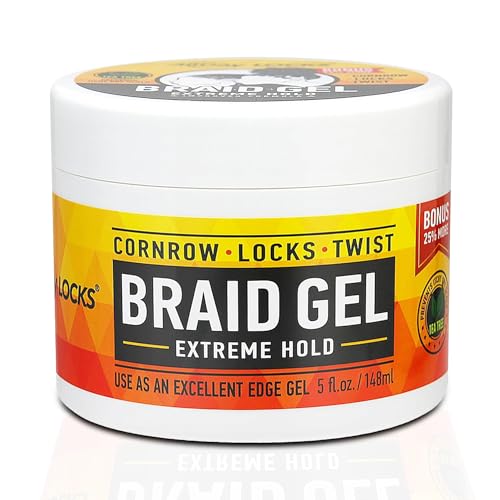
EXTREME HOLD BRAID GEL - Designed to provide strong, long-lasting hold for braids, locs, twists, cornrows, and more. Keeps styling slick, extra defined, frizz- and flake-free all day!
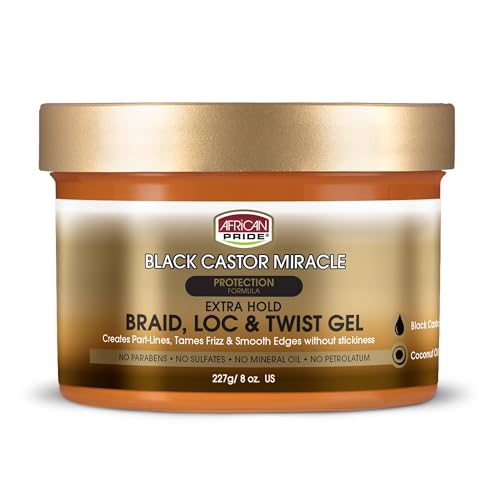
Smooths Frizz & Boosts Shine - Our professional braiding gel smooths away frizz and flyaways while enhancing shine for a sleek, long-lasting finish. Whether you're styling braids, locs, or twists, it keeps your look fresh, neat, and polished with minimal effort.

STRONG EDGE CONTROL - Gel texture formula locks hair strands in place with long lasting 24 hour hold! Delivers sleek, maintained styles with zero stickiness, no heavy residue, and no weigh down
6. Feed-In Braids
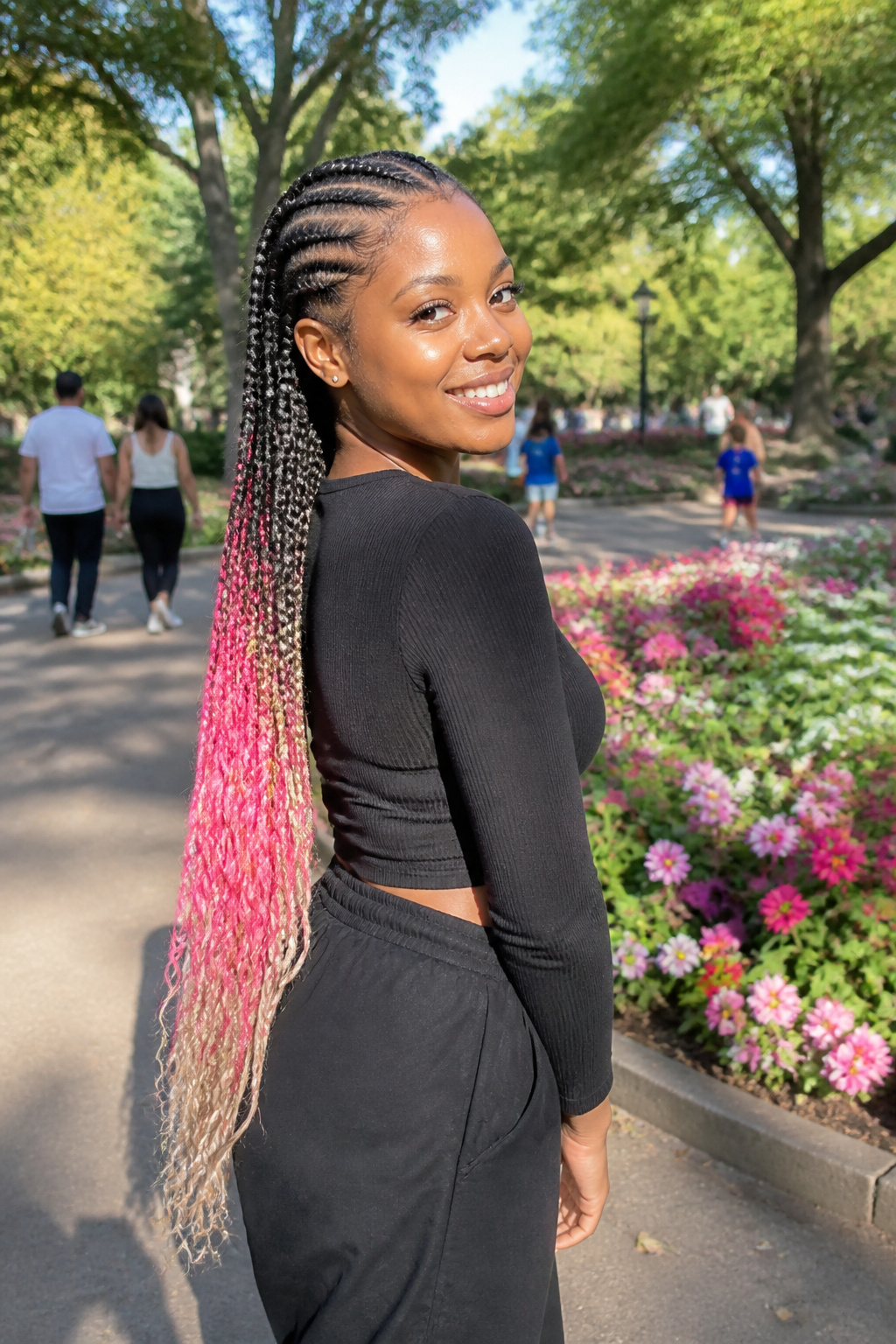
Feed-in braids work by adding extension hair in small amounts as the braid moves away from the scalp, rather than loading it all in at the root. The result is a gradual, natural-looking thickness that avoids the telltale bump you get when a full bundle starts right at the hairline. I’ve watched enough braid tutorials to know the difference is immediate: the feed-in method lays flatter, sits closer to the head, and puts less tension on those delicate edges.
That matters more than it might sound. A bulky root not only looks artificial but can stress the hairline over time. With feed-ins, the braid stays sleek from start to finish, and the scalp itself gets a break. The tension is lighter because the weight distributes gradually instead of pulling from one concentrated spot. Stylists often pair the technique with ombre extensions, letting the color shift flow naturally as the braid thickens, though the real win is the protective benefit for your own hair underneath.

Braiding Hair Brand: Aoterlanke Pre-Stretched Pre Layered Hypoallergenic Synthetic Braiding Hair Extensions

【Hair Material】: Chicmoi prelooped box braid crochet hair extension made of premium high temperature synthetic fiber, very soft and shiny like human hair.

7. Stitch Braids
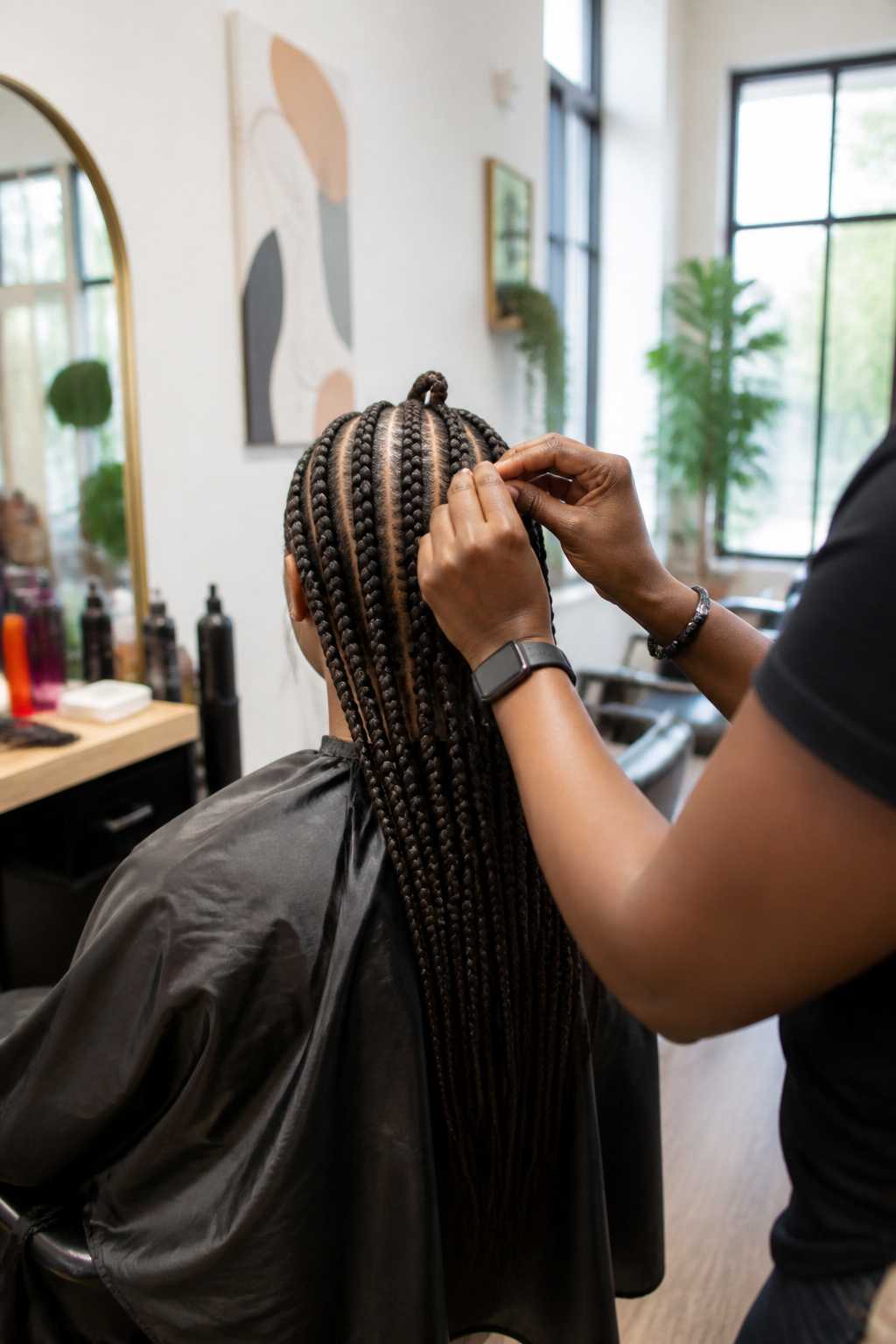
Stitch braids sit right at the intersection of precision and edge. They’re technically a variation of cornrows, but the technique produces rows so clean and evenly spaced that they look almost machine-made. The "stitched" effect comes from precise parting and tight, consistent tension as each braid is laid down, creating visible horizontal lines between the vertical rows.
What reads as polished is really just extreme intentionality. A stylist working in this style is mapping out every part before a single braid begins, and that prep work shows. The result feels architectural rather than organic, which makes stitch braids a strong choice when you want something that looks salon-fresh for longer.
The tight rows do mean more tension at the scalp than some other braided styles, so they work best on hair that can handle it. If your edges are delicate or you’re between protective styles, this might be one to bookmark for later rather than rush into now.

Brand: Sensationnel X-PRESSION pre stretched pre layered flame retardant synthetic braiding hair extension

Braiding Hair Brand: Aoterlanke Pre-Stretched Pre Layered Knotless Synthetic Braiding Hair Extensions

Eerya Goddess Box Braids Crochet Hair: Bohemian Crochet Braids Box Braids Crochet Hair Boho Box Braids, Made of High Quality Synthetic Fiber, 100% Handmade 3X Smedium Box Braids Crochet Braids Hair Extensions.
8. Boho Braids
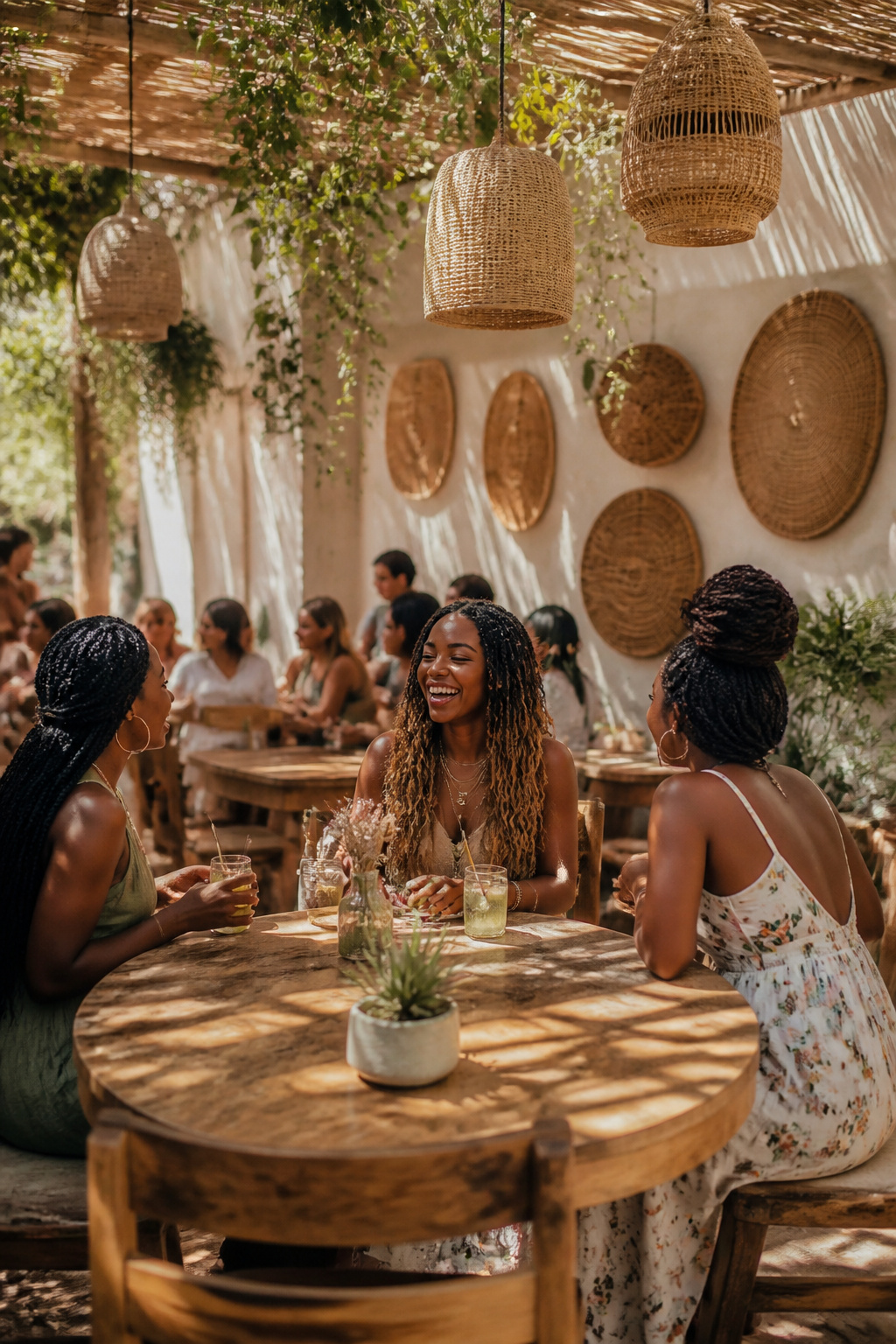
Boho braids trade the sharp, uniform edges of traditional braids for something looser and more forgiving. Stylists weave wavy strands throughout the braid body, letting small loops and wisps escape so the whole style looks like it has already lived through a festival weekend. That softness is the entire point. Where classic braids read polished and intentional, boho braids lean into the idea that a little frizz and flyaway texture add character rather than take it away.
The appeal is easy to understand once you have worn both. Traditional braids can feel almost architectural, every section tensioned the same, every end sealed crisp. Boho braids relax that standard. They suit wearers who want the protective benefits and longevity of braided hair without looking like they just left the salon chair. The style pairs naturally with casual, layered outfits and works especially well when you want your hair to feel like an accessory rather than a statement piece.
Maintenance sits in the middle ground. Those loose strands mean you are not fighting to keep every flyaway tucked, but you also will not get the full six to eight weeks of neatness that tighter braiding can give you. For some, that trade is worth it. The lived-in look is the goal from day one, so the style actually improves as it ages rather than growing out awkwardly.

Gorgeous Black Boho Braids Set- Pre-Stretched Ez Braiding Hair 4 Bundles With An Additional Bundle Of Deep Wave Braiding Hair- Total 5 Bundles In Package, Giving You Everything You Need For Beautiful Boho Braids.

Black Peack Pink Ombre Braiding Hair Pre Stretched Made with Flame-retardant Synthetic Fiber Hair for Braiding Pre Stretched is Very Easy to Braid, Ombre Pink Braiding Hair Hot Water Setting & Curled are Workable. Natural Look as Human Braiding Hair for Micro Braids, No Discoloration, No Itch, No Knots.

Ai Yuchen Purple Ombre Braiding Hair Pre Stretched Made with Pre-Stretched Low Temperature Synthetic Fiber Hair for Braiding is Very Easy to Braid, Spectra Pre Stretched Braiding Hair Ombre Hot Water Setting & Curled are Workable. Amazing Braiding Hair for Micro Braids, No Discoloration, No Itch, No Knots.
9. Micro Braids
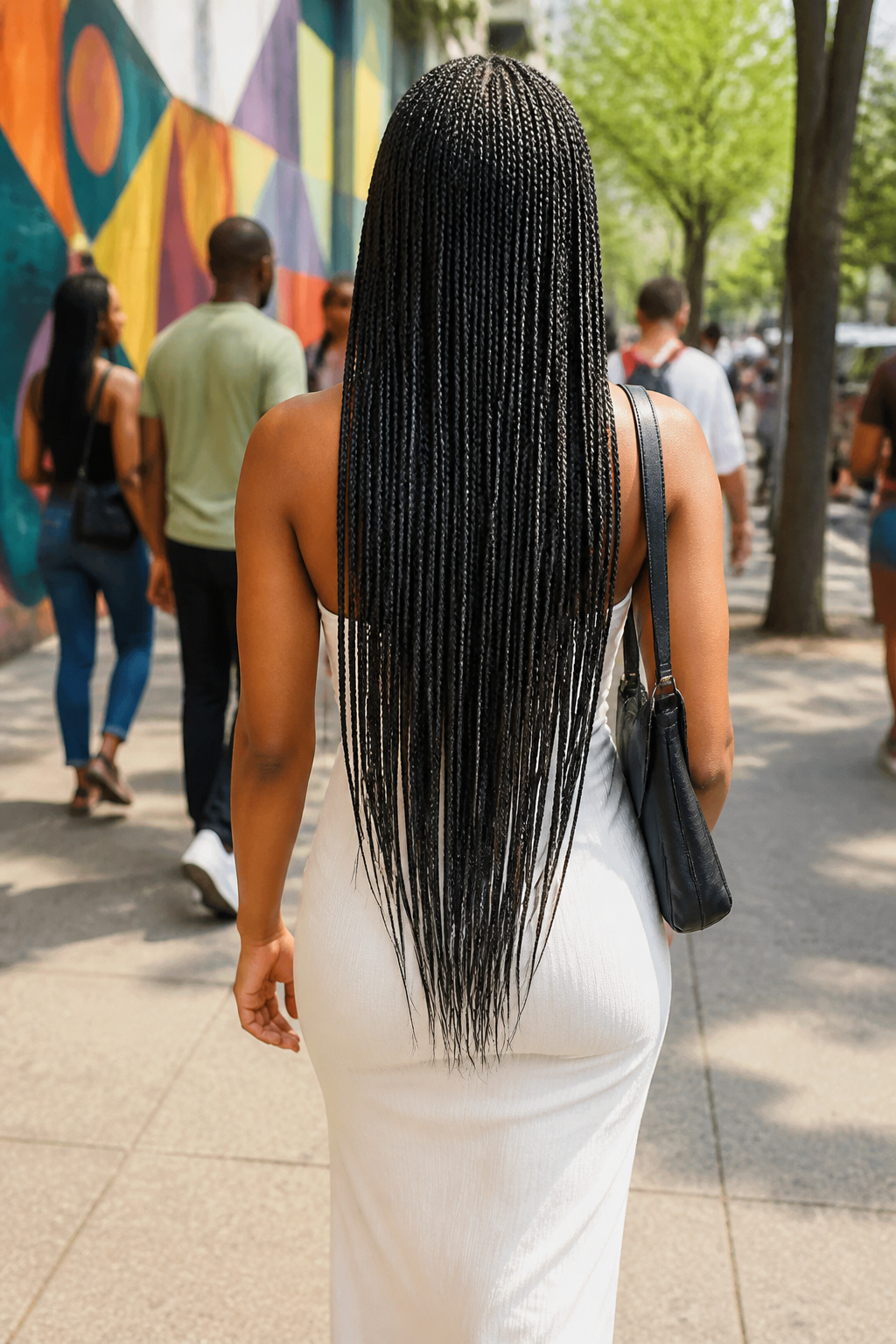
Micro braids are tiny plaits, each one about the width of a single strand of hair, and that precision comes at a cost in hours. A full head can take eight to twelve hours to install, sometimes longer, so you will want to clear your calendar and bring a charged phone.
The payoff for that patience is maximum styling flexibility once they are in. You can wear micro braids loose, pull them into a high ponytail, or curl the ends without the bulk of larger braids getting in the way. They also tend to last longer than bigger styles, often holding up for two to three months with proper care.
The fine size does create a tension concern. Each braid is light on its own, but there are hundreds of them, and the cumulative pull on your edges and scalp can add up. A braider who works too tight or packs the sections too close together can stress your hairline over time. If you feel pinching during the install, speak up then, not later. Looser tension at the root still gives a clean finished look and saves you from breakage when you take them down.

Premium Material Construction: Rainbow braiding hair is made with top quality high temperature synthetic fiber that is pollution free

Hair Material: Top Quality High Temperature Synthetic Fiber, Heat Resistant, Easy to Braid, Comfortable to Wear
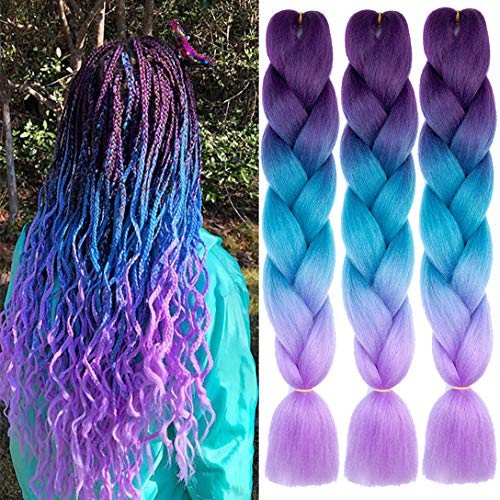
Hair Material:Top Quality High Temperature Synthetic Fiber,Heat Resistant,Easy to Braid, Comfortable to Wear.
10. Jumbo Braids
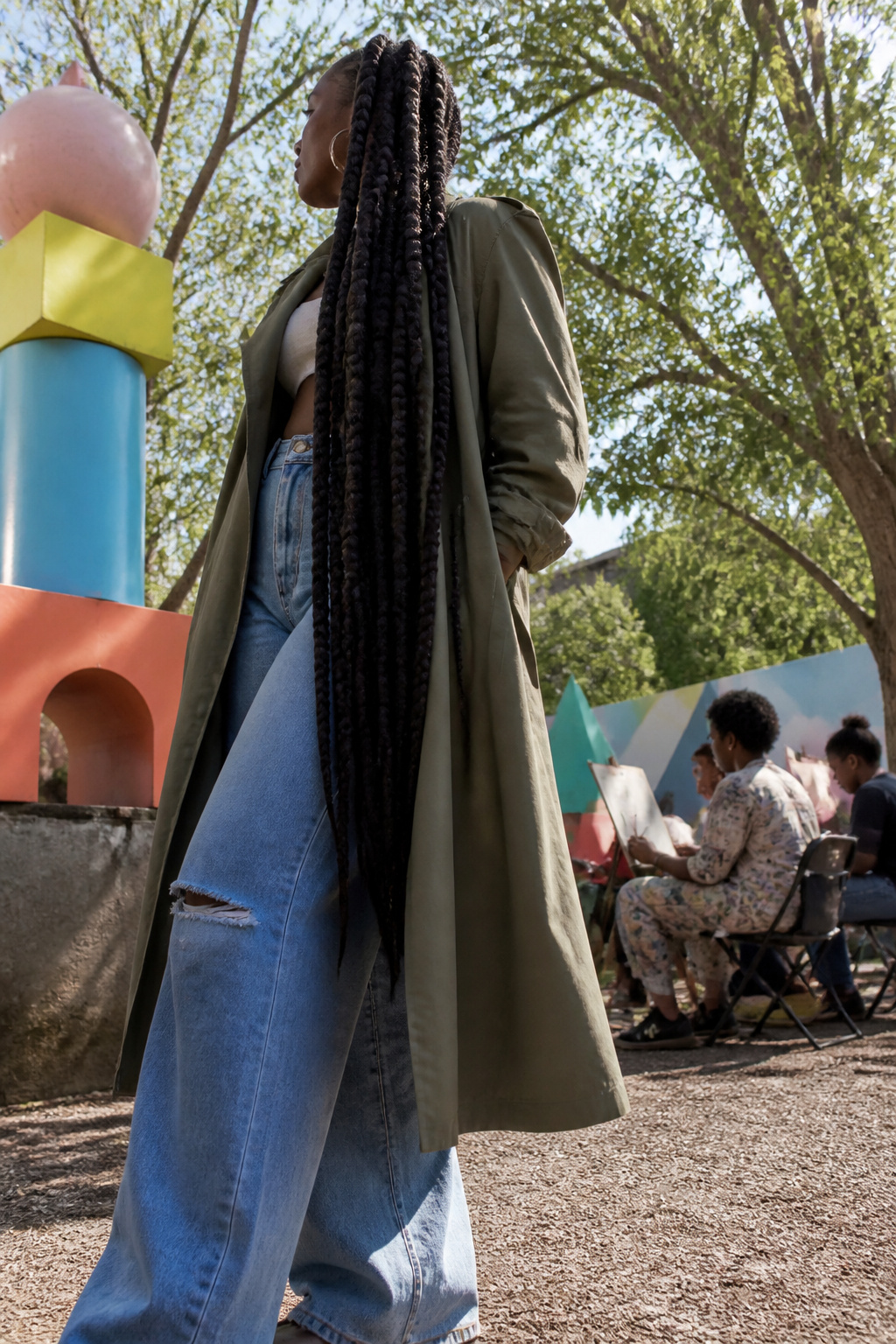
Jumbo braids sit at the opposite end of the size spectrum from micro styles. These are large, thick braids built with extensions for maximum volume, and that scale changes everything about the install and the wear. Fewer braids means less time in the chair, which matters when you are booking half a day off work just to get your hair done.
The visual effect is dramatic and immediate. Jumbo braids do not blend in; they announce themselves. That boldness comes with a tradeoff in weight. Thicker braids pull more at the roots, and after a few weeks the tension can feel different than it does with lighter, smaller styles. I have seen friends switch back down after one jumbo install because the scalp fatigue was real.
Where they shine is styling. The thickness holds updos with almost no effort, and accessories like cuffs or beads sit prominently instead of getting lost. A high bun or a pulled-back crown looks architectural with jumbo braids in a way smaller sizes rarely match. If you want presence and you can handle the heft, this is the scale that delivers it fastest.

SHINE -DEFINE PROTEIN RICH -SLAY YOUR EDGES WITH NO COMMENTS -NO WAX, NO GREASE, NO ALCOHOL, NO FLAKING
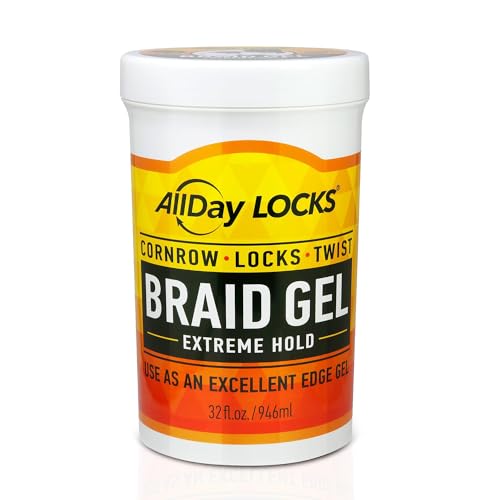
MAXIMUM HOLD BRAID GEL - Designed to provide strong, long-lasting hold for braids, locs, twists, cornrows, and more. Keeps styling slick, extra defined, frizz- and flake-free all day!

14pcs Braid Foam & Braid Gel & Hair Growth Oil Kit: The package included: 1pc 3.4fl.oz braid mousse+1pc 8.8oz braid gel+1pc 1fl.oz rosemary hair growth oil+1pc 1.05oz edge control+6pcs pink salon clips+3pc black rat tall combs+1pc silky Du-rag.The tool is complete
11. Crochet Braids
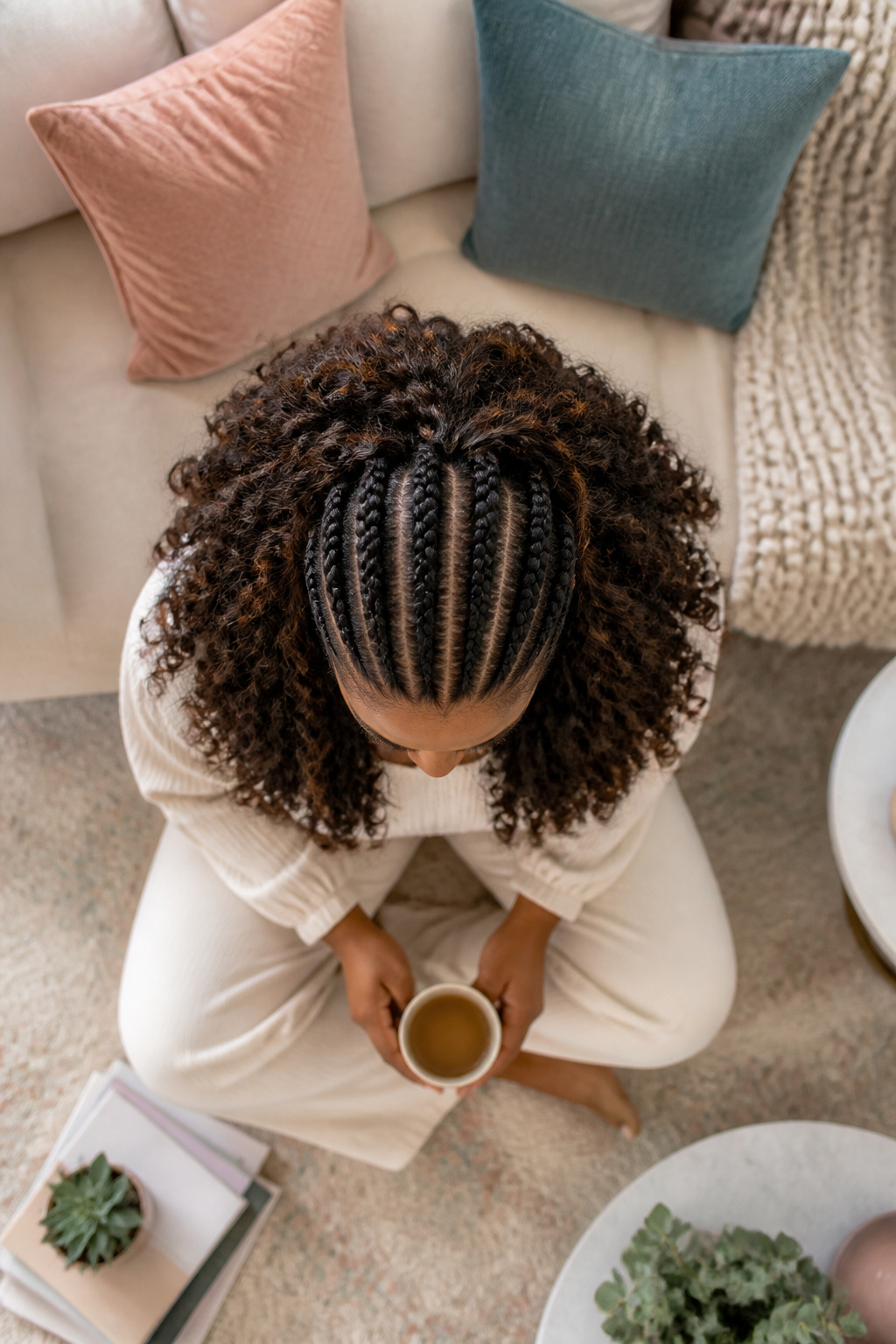
Crochet braids work by looping hair extensions through a base of cornrows with a latch hook. The cornrows stay close to the scalp, and the hook pulls each extension through so it knots securely underneath. The whole head takes a fraction of the time of hand-braided installs, which is why I started booking them when I needed a protective style but couldn’t spare four or five hours in a chair.
The real draw is the range of textures you can wear. The same cornrow foundation holds straight hair, curly bundles, twists, locs, or traditional braids. Your natural hair stays completely covered and untouched underneath, so you get the look you want without daily manipulation or heat. When I want volume, I pick a curly texture. When I want something lower-maintenance, I go with pre-twisted or pre-loc’d hair that I can just install and leave alone.
The method suits anyone who wants to protect their hair through a season of growth or just needs a break from styling. Take the cornrows down after six to eight weeks, condition your own hair, and your strands have had a full vacation.
12. Lemonade Braids
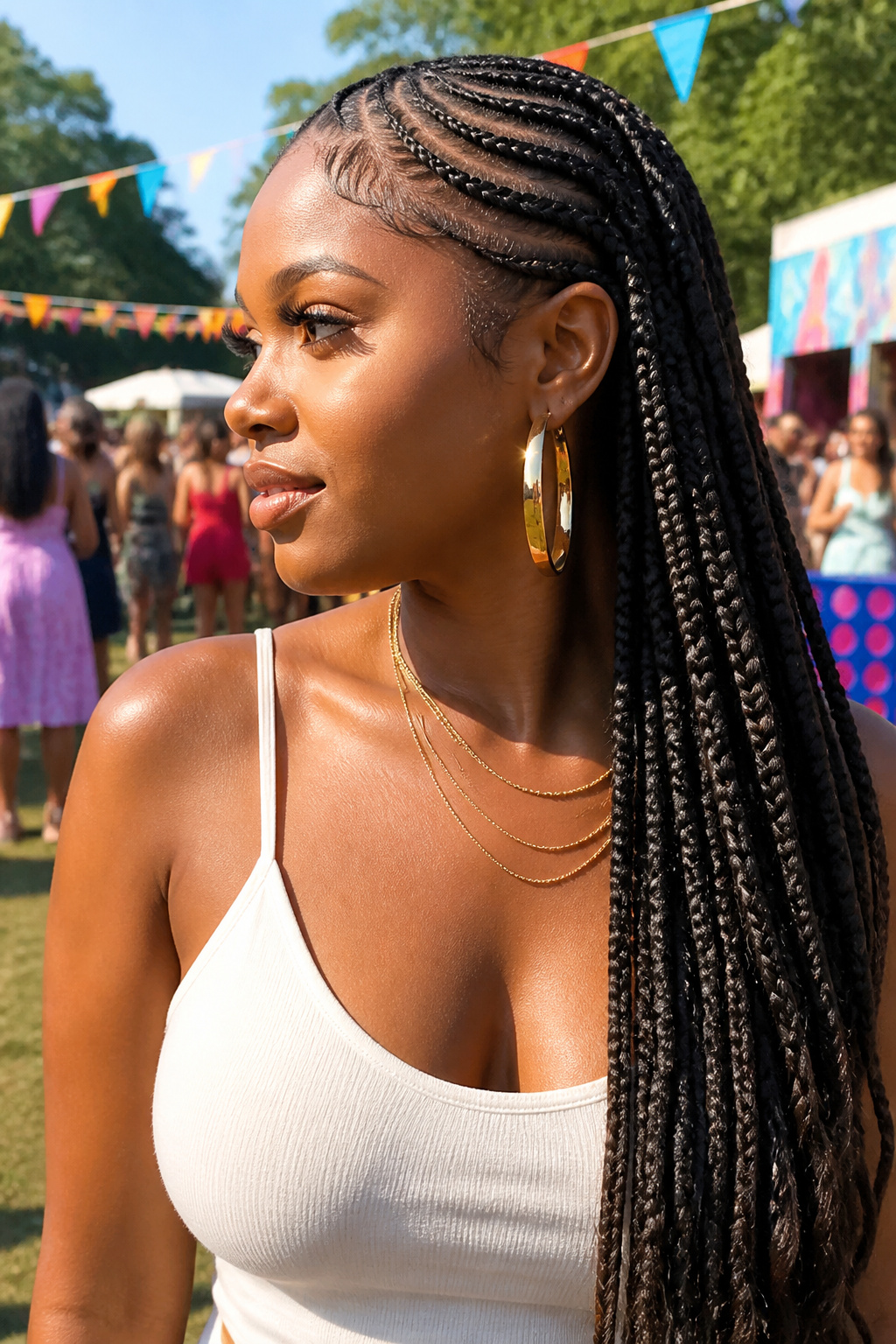
Lemonade braids are cornrows swept entirely to one side in an asymmetrical, side-parted design. The style takes its name from its high-profile appearance in Beyoncé’s "Lemonade" visual album, where the flowing, directional braids became instantly iconic. Every cornrow follows the same path, angling across the scalp toward one shoulder so the whole style moves as a single curtain.
That one-directional sweep is what keeps the look feeling current. It breaks the symmetry we expect from traditional straight-back cornrows and frames the face from a single angle, drawing the eye along the jawline and collarbone. The asymmetry also means you see something different from every vantage point; the profile, the three-quarter view, and the full side angle each read as distinct looks.
For me, the appeal sits in how deliberate the shape feels. There’s no part down the middle, no even balance. The braids commit to one direction and carry the eye with them, which gives the style a sculptural quality that reads as modern without trying hard. Neat, alternating-sized plaits and sleek baby hairs, as seen in fresh installs, sharpen the effect even further.
13. Senegalese Twists
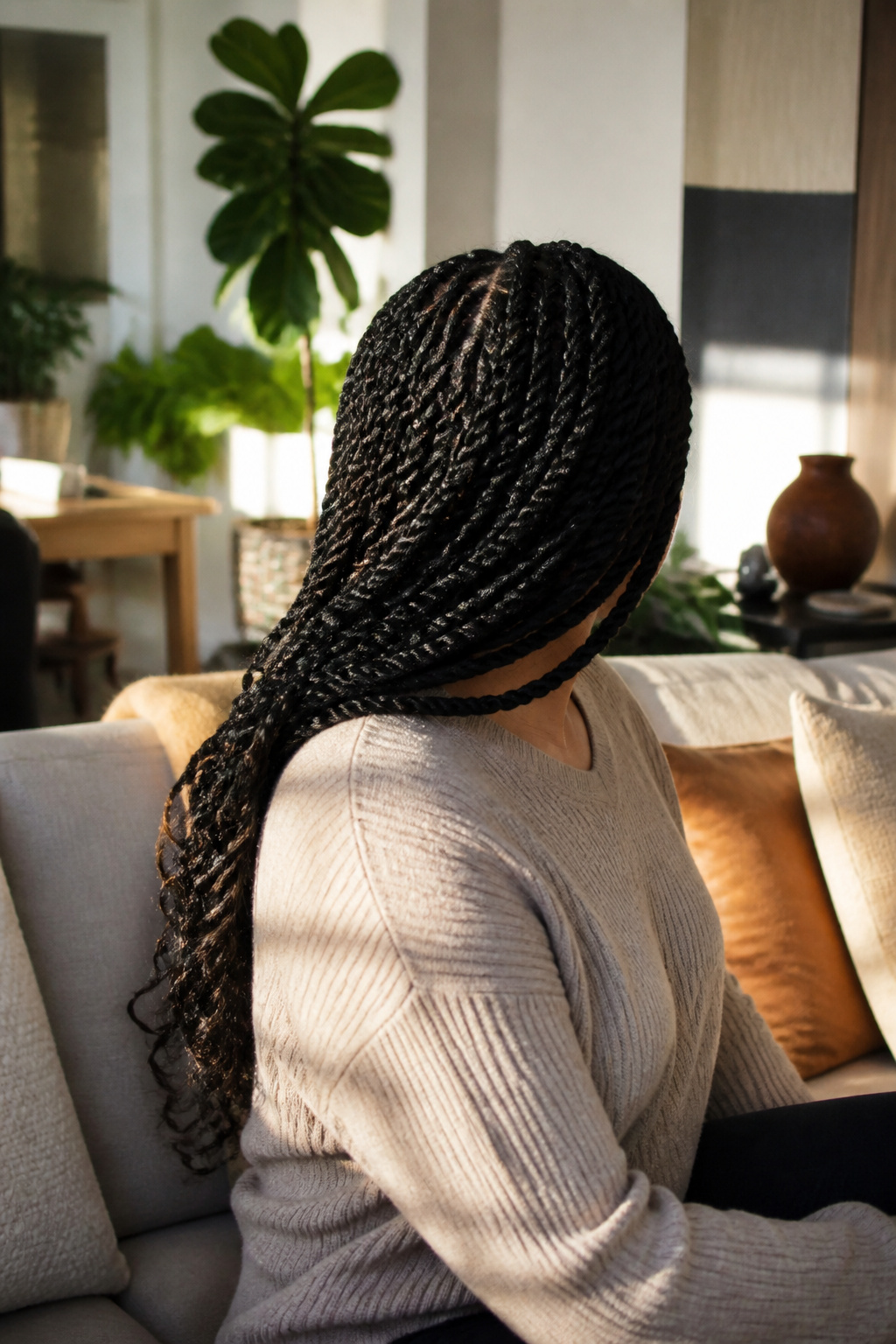
Senegalese twists use a two-strand twisting technique rather than the three-strand crossing you’d see in a classic braid. The result is a smooth, rope-like finish that sits closer to the scalp and reads as more polished than some looser twist styles. The structural difference matters for tension: because you’re only working with two sections of extension hair, the starting point at the root doesn’t need to grip as aggressively. Several wearers I’ve talked to mention that their edges feel less strained after a full day with twists compared to braids of similar size. The extension hair itself is typically synthetic or natural hair with a sleek, low-frizz texture, which gives the style its signature shine and keeps the twists looking neat for weeks. If your scalp is sensitive or you’re coming off a protective style that left your hairline tender, this is one of the gentler ways to get length and definition without sacrificing the polished look you want.
14. Passion Twists
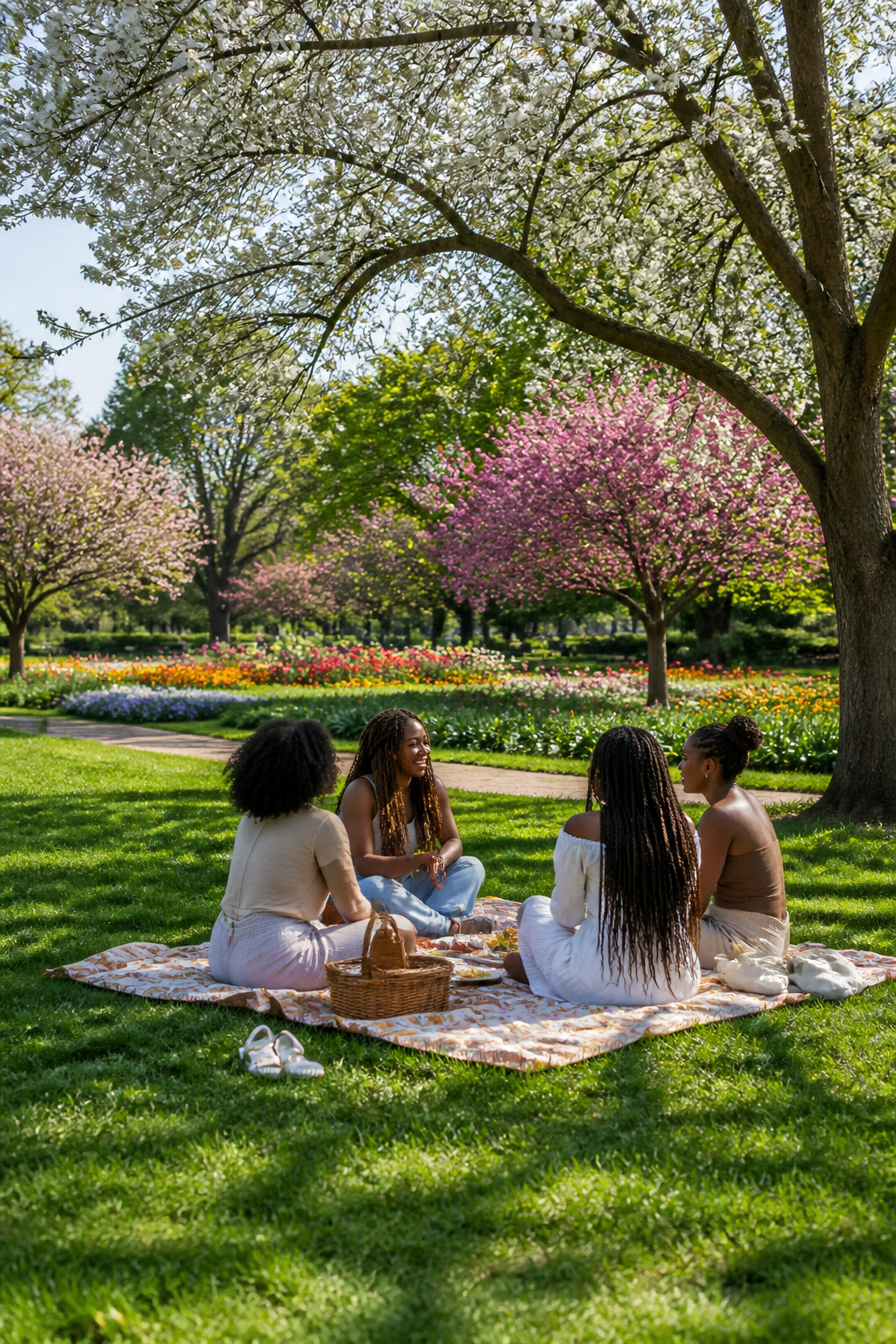
Passion twists arrived in 2018 from hairstylist Kailyn Rogers, and they have carved out their own lane ever since. The style takes the two-strand twist method you already know and swaps in curly, bohemian-textured extensions rather than the straight synthetic hair used for classic Senegalese twists. That single change gives the finished look a softer, springier feel with more movement and volume running through each twist.
The lived-in aesthetic is the real draw here. Where some protective styles read as crisp and finished, passion twists look like they have already settled into a few perfect days of wear. The curly extension requirement is non-negotiable; without that bohemian texture, you are simply making standard twists. For anyone after something romantic and lightweight that does not try too hard, this is the option that delivers.
15. French and Dutch Braids
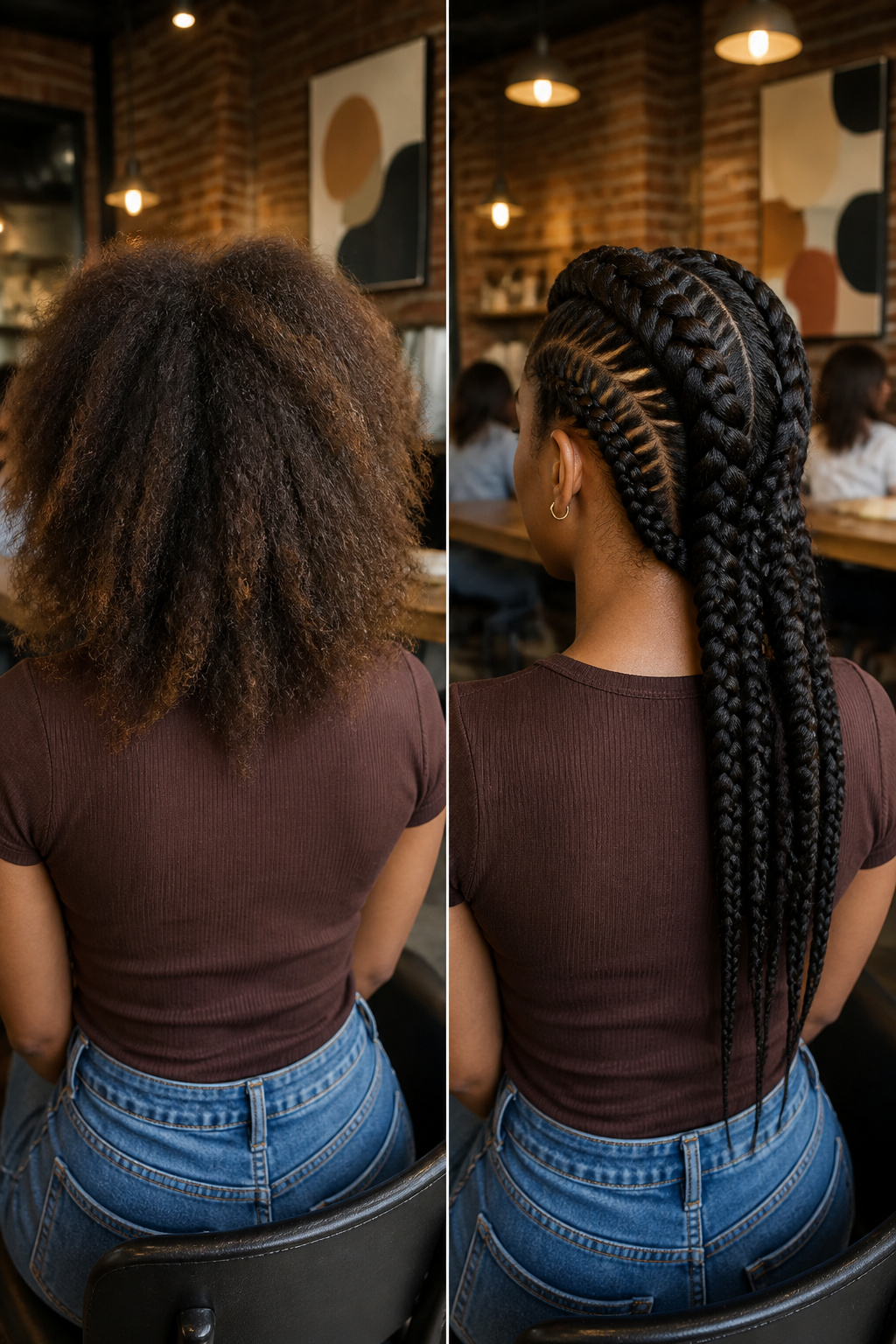
French and Dutch braids both start at the crown and pull in loose hair as they travel down the head, but they sit differently because of how the strands cross. A French braid uses an overhand technique, so the braid lies flat against the scalp and looks almost embedded. A Dutch braid reverses that, crossing strands underneath instead, which pushes the braid outward so it stands proud and reads more dimensional.
On textured hair, both styles work as full looks or as accents. Two Dutch braids, one on each side, give a symmetrical, sporty shape that holds up through workouts. A single Dutch braid pulled into a ponytail keeps hair controlled without the tension of smaller braids. The Dutch braid crown circles the head like a halo and dresses up easily for events. French braids, lying flatter, blend more subtly into updos or sit neatly under wigs and headwraps.
These European-rooted techniques got adapted into Black hair styling because they’re quick, need no extensions, and shift from casual to polished with parting changes. They don’t last as long as box braids or cornrows, but that is the tradeoff for speed and versatility.
16. Fishtail Braids
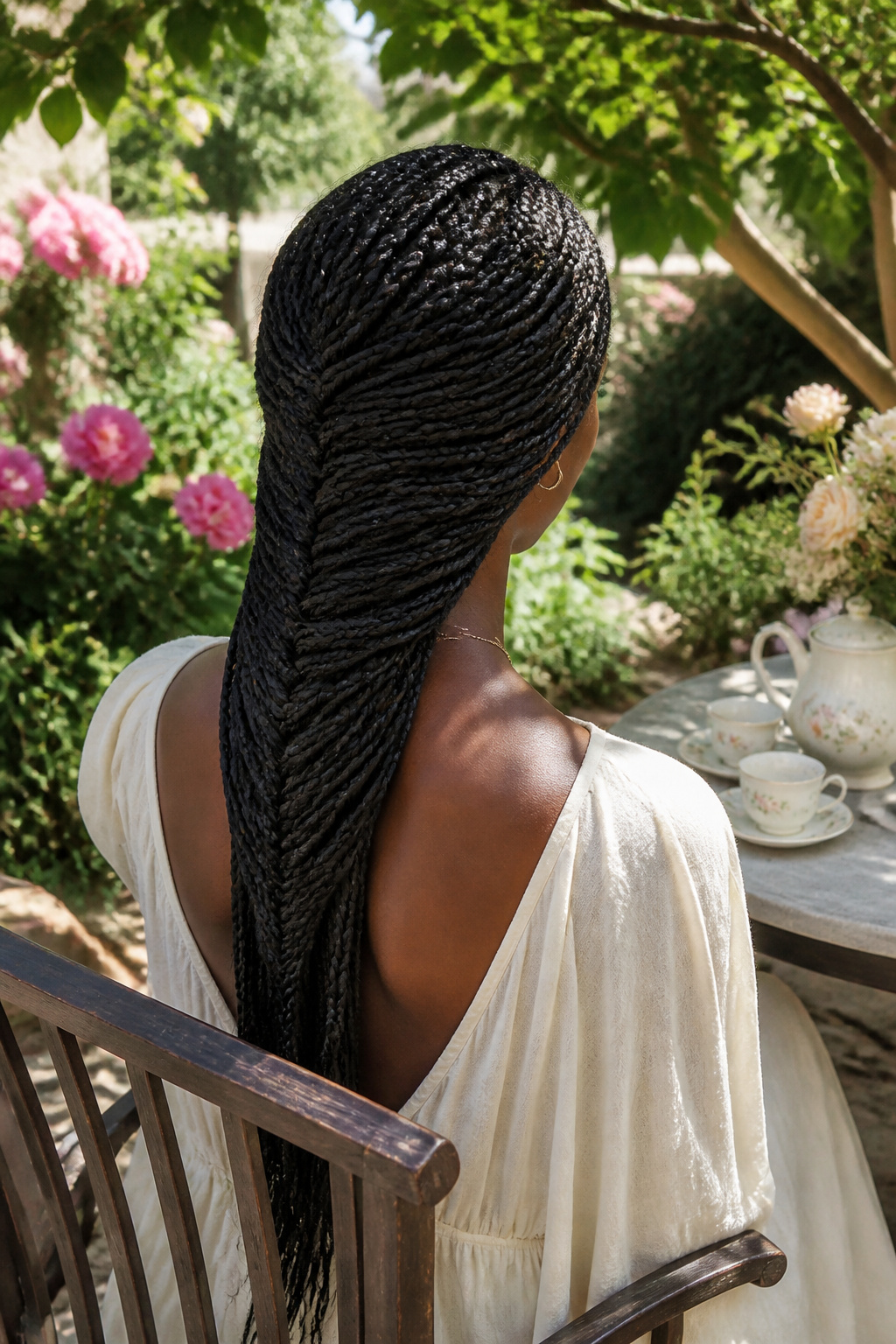
Fishtail braids create a herringbone pattern by dividing hair into just two sections and crossing small pieces from one side to the other. The result looks like the tail end of a fish, with a texture that reads as far more intricate than a standard three-strand braid.
On textured hair, this style works best as a special-occasion accent rather than an everyday go-to. The technique demands real patience, since each crossed piece has to stay small to keep that tight, detailed weave. Rushing it produces a loose, sloppy pattern that loses the whole point.
I’ve watched tutorials where stylists knock these out in twenty minutes on straight hair, but on coarser textures the slip and grip behave differently. The two-section method means less natural hold, so you’ll likely need product or a practiced hand to keep tension even from root to tip. For weddings, galas, or any event where you want something that photographs like jewelry woven into your hair, the time investment pays off. For running errands, probably not.
Cultural Roots of Braided Hair
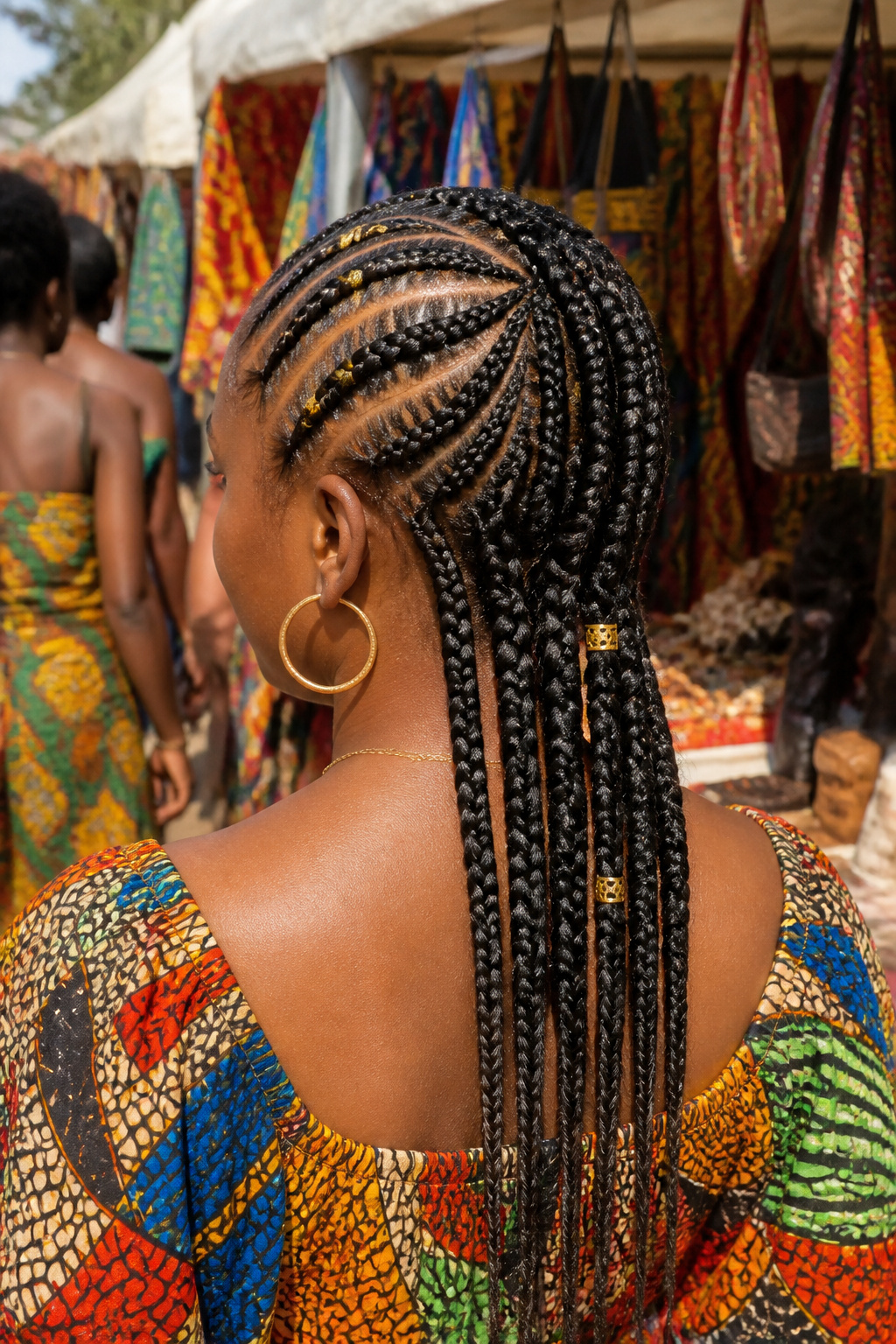
Braiding in Africa has always carried more weight than simple grooming. Styles signaled social standing, age, marital status, and tribal affiliation, turning hair into a kind of wearable biography. A young girl’s braids looked different from a married woman’s, and a queen’s intricate patterns set her apart from everyone else.
Some braids functioned as maps or coded messages. The patterns could indicate which village someone came from, or even serve as signals for those planning escape routes. Hair became a language spoken without words, one that colonizers couldn’t easily read or control.
That layered history is why braids today still feel like a deliberate choice rather than just a trend. When a Black woman picks up a comb and starts parting, she’s working within a tradition that has always been about identity and survival, not just aesthetics. The style carries memory even when the wearer isn’t consciously invoking it.
Braids as Protection and Expression
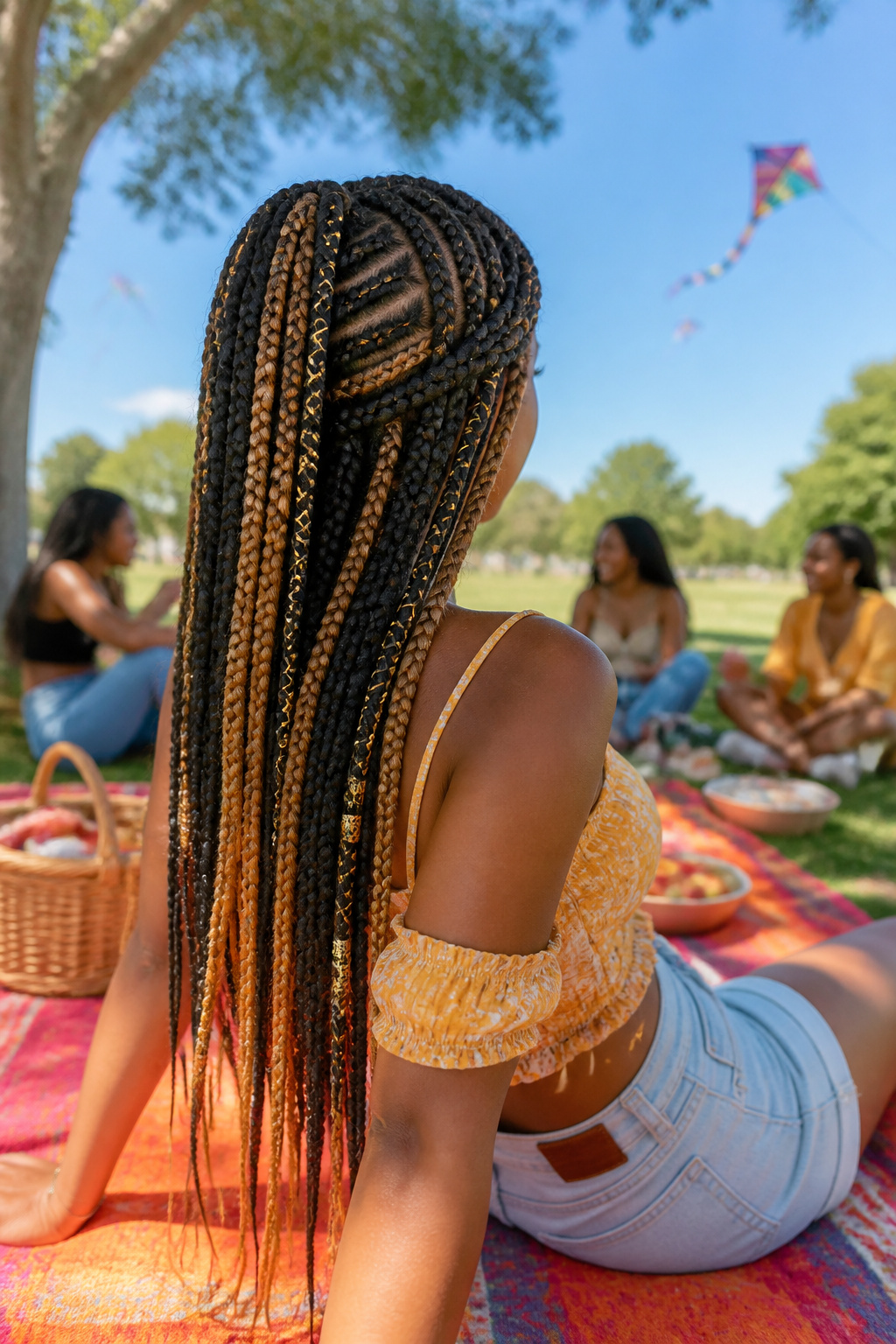
Braids do two jobs at once, and that is why they sit at the center of so many routines. The style protects fragile ends and helps retain length by tucking strands away from daily friction and weather. Cornrows worn close to the scalp, chunky goddess braids, or midback lengths all keep manipulation low for weeks at a time. That same technique shifts meaning depending on how it is styled. A neat row of cornrows reads traditional in one setting, becomes a vacation-ready statement with added accessories or color in another, and carries political weight in contexts where Black hair has been policed or stigmatized. The color, size, and design choices let the wearer decide which register to hit. I have watched one friend wear burgundy midback braids to a family reunion as a quiet nod to heritage, then add gold cuffs for a concert the same month and look completely current. The hair does not change; the intent around it does. That flexibility is the point.
Keeping Braids Fresh
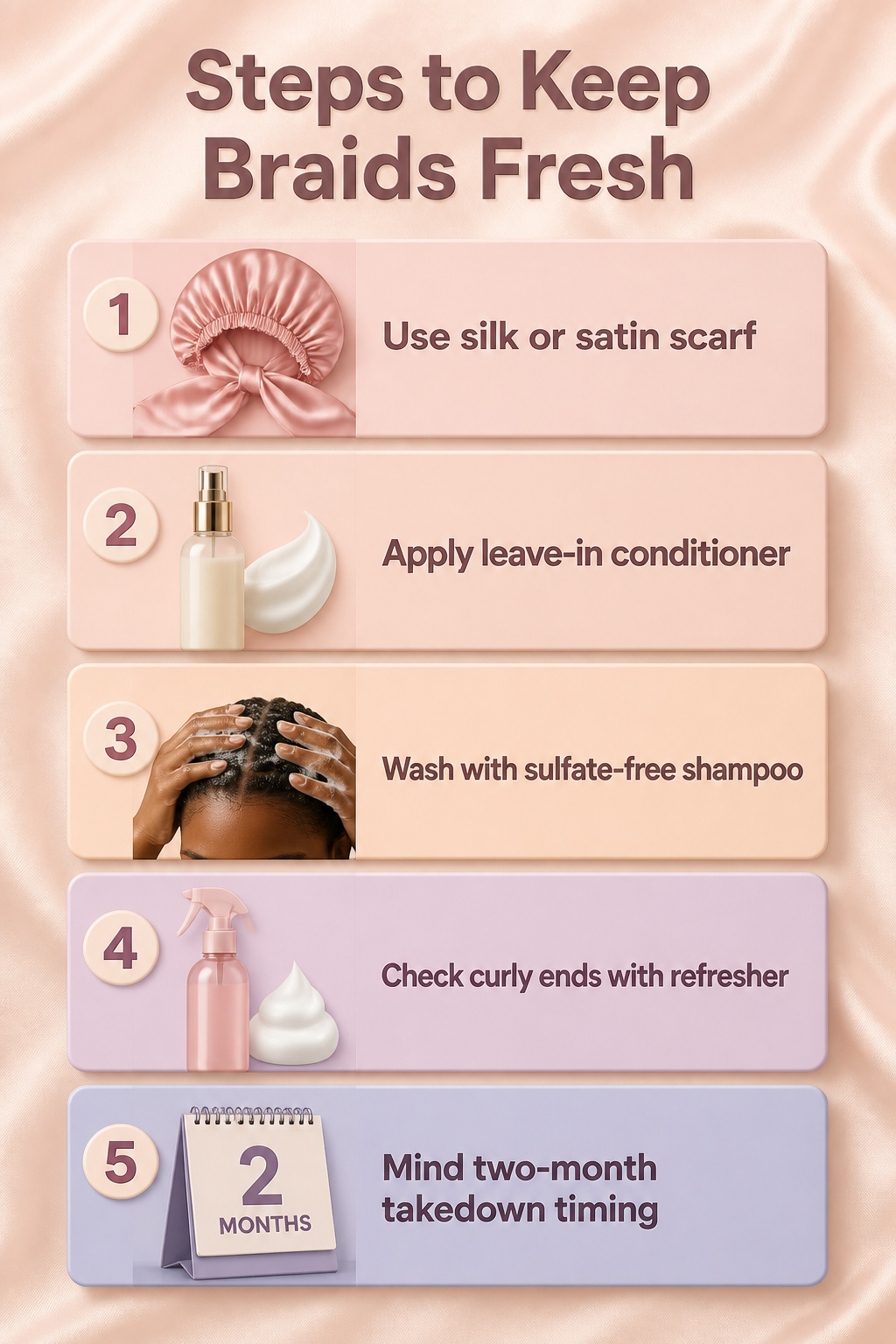
Fresh braids start with your nightly routine. A silk or satin scarf or bonnet cuts the friction that roughens the surface and lifts the cuticle while you sleep. Without that protection, the frizz isn’t just a looks problem; it’s mechanical damage that weakens strands over time.
Moisture has to reach both the scalp and the length. A light leave-in conditioner or oil on the braids themselves keeps them supple, while the scalp needs direct attention so it doesn’t dry and tighten. Dry scalp tightens around the root, and that tension is where breakage starts before you ever notice a frayed end.
Washing takes a light hand. Sulfate-free shampoo, focus on the scalp with your fingertips, and let the water run through the braids rather than scrubbing them. Harsh handling swells the fiber and loosens the pattern; the goal is clean skin, not squeaky braids.
The curly ends on styles like goddess braids need their own check. A curl refresher spray or a small amount of mousse brings the shape back when it starts to drop, which keeps you from manipulating the braids dry.
Takedown timing matters more than most people think. Two months is usually the ceiling, and pushing past it turns the protective style into a liability. New growth plus product buildup at the root creates tangles that rip hair on the way out. The maintenance isn’t about keeping them pretty an extra week; it’s about keeping the hair underneath intact.
Frequently Asked Questions
What are the best braided hairstyles for Black women?
The best braided hairstyles for Black women include box braids, knotless braids, cornrows, goddess braids, Fulani braids, feed-in braids, stitch braids, boho braids, micro braids, jumbo braids, crochet braids, lemonade braids, Senegalese twists, passion twists, French and Dutch braids, and fishtail braids. Each style offers different benefits for protection, styling versatility, and aesthetic preference.
How do I maintain braided hairstyles?
Wrap your braids in a silk or satin scarf or bonnet every night to prevent friction damage and frizz. Apply a light leave-in conditioner or oil to keep the braids supple, and moisturize your scalp directly so it does not dry out and tighten. With proper care, most braided styles last six to eight weeks before a takedown is necessary.
What is the cultural significance of braids?
Braiding in Africa has historically signaled social standing, age, marital status, and tribal affiliation, functioning as a wearable form of identity. Some braid patterns even served as maps or coded messages. That layered history means braids today still carry weight as a deliberate choice rooted in tradition, survival, and self-expression.